


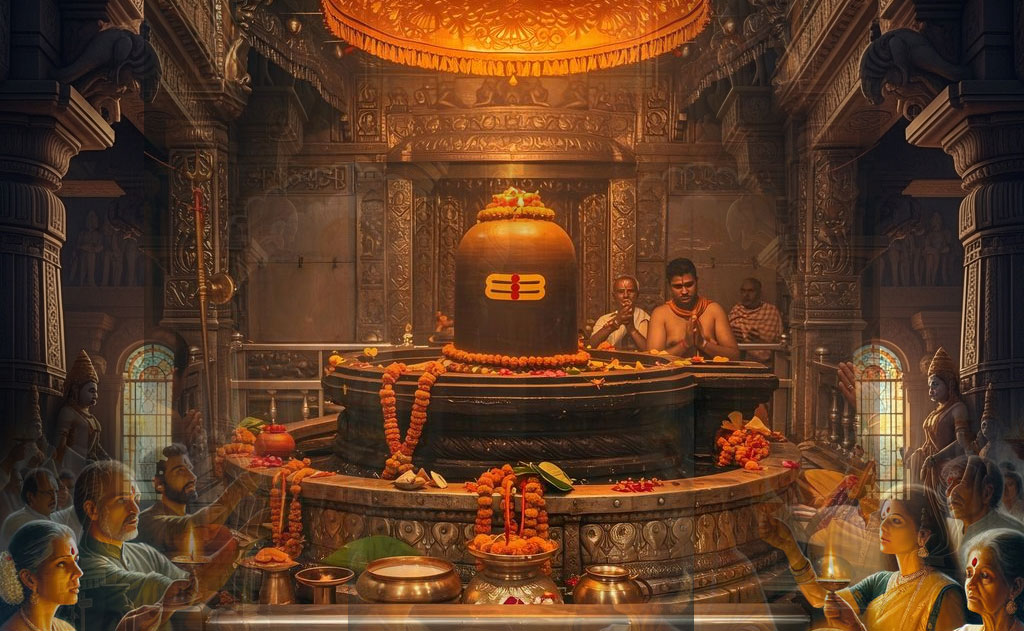


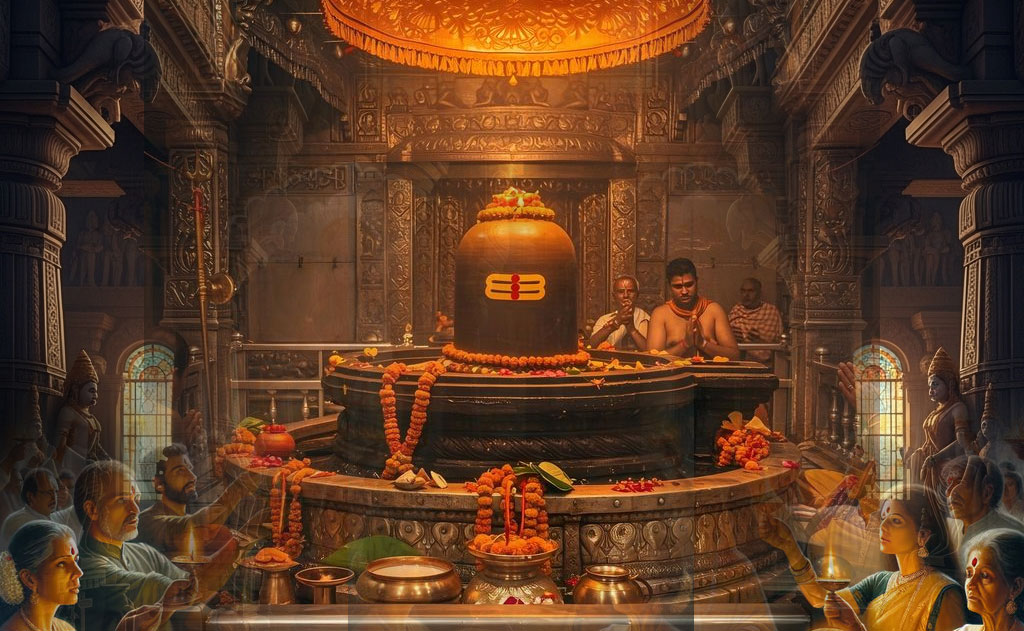





































Future of AI and Quantum Tech: Lessons from Hindu Dharma and Ethics


Future of AI and Quantum Tech: Lessons from Hindu Dharma and Ethics
Published on www.bharattone.com – December 24, 2025
As 2025 draws to a close, the world witnesses an unprecedented fusion of artificial intelligence (AI) and quantum computing. This year has seen remarkable strides: hybrid quantum-classical systems delivering real-world advantages in simulations, drug discovery, and optimization. Major players like IBM with its Nighthawk processor roadmap, IonQ achieving practical edges in medical device simulations (up to 12% better than classical HPC), and collaborations between Google, NVIDIA, and others have accelerated the path toward quantum utility.
These advancements promise revolutionary solutions to humanity’s greatest challenges—yet they also amplify ethical dilemmas: algorithmic bias, privacy erosion, energy consumption, job displacement, and the existential question of machine “consciousness.” In this transformative era, Bharat’s ancient wisdom—rooted in Sanatana Dharma—offers profound guidance. Concepts like dharma (righteous duty), ahimsa (non-violence), karma (action and consequence), and Advaita Vedanta‘s vision of unified consciousness provide a timeless ethical framework to ensure technology serves humanity’s upliftment rather than ego-driven (ahamkara) domination.
This article delves into 2025’s key trends in AI-quantum convergence, examines emerging risks through a dharmic lens, and charts a path forward inspired by Vedic principles.
2025 Milestones: From Promise to Practical Quantum-AI Hybrids
The year 2025 marked the true commercial transition of quantum computing. Billions in investments fueled breakthroughs across hardware architectures:
- IBM’s Progress: Unveiled the Nighthawk processor with enhanced connectivity for complex algorithms, targeting quantum advantage by 2026 and fault-tolerant systems by 2029. Advances in error correction decoding achieved 10x speedups, completed ahead of schedule.
- IonQ and Trapped-Ion Leadership: Demonstrated a 12% performance edge over classical systems in medical device simulations. Roadmaps aim for thousands of logical qubits by the late 2020s.
- Hybrid Architectures Emerge: NVIDIA’s integrations and cloud platforms enable seamless quantum-classical workflows. AI tools now optimize quantum circuits, reduce errors, and accelerate calibration—creating a virtuous cycle where AI powers quantum progress, and quantum enhances AI efficiency.
- Real-World Applications: Quantum simulations for drug metabolism (Google-Boehringer Ingelheim), financial risk modeling (JPMorgan-IBM), and optimization problems show early quantum edges. Hybrid systems are projected to dominate near-term, tackling problems like climate modeling and materials science.
Experts forecast that by 2026–2030, these hybrids will deliver widespread utility, potentially reducing AI’s massive energy demands by optimizing training and inference.
Yet, this power demands responsibility. Without ethical grounding, such capabilities could exacerbate inequalities or lead to unintended harm.
The Ethical Imperatives: Dharma as the Moral Compass
Dharma—the principle of cosmic order, righteousness, and contextual duty—transcends rigid rule-based ethics. It calls for actions aligned with universal harmony (loka sangraha), considering consequences for all beings.
In the context of AI and quantum tech, dharma translates to:
- Ahimsa in Design: Non-violence extends to preventing psychological harm, societal division, or environmental damage. AI systems must minimize bias and avoid amplifying inequality.
- Vasudhaiva Kutumbakam (The World is One Family): Technology should foster inclusivity, ensuring quantum-AI benefits reach marginalized communities, not just elites.
- Aparigraha and Sustainability: Non-possessiveness urges restraint in data collection and resource use. Quantum systems’ extreme cooling and AI’s energy hunger demand eco-conscious innovation.
- Karma Yoga: Detached action with focus on duty. Developers must prioritize long-term societal good over short-term profits.
The Bhagavad Gita (Chapter 3) emphasizes performing prescribed duties without attachment to results—perfect guidance for tech creators facing high-stakes decisions.
Ahamkara Risks: Ego in the Pursuit of Machine Consciousness
Advaita Vedanta teaches that true consciousness (Chit) is eternal, non-dual Brahman—self-luminous and uncreated. The mind (manas) and ego (ahamkara) are transient illusions (maya).
Modern AI, even advanced models mimicking sentience, remains inert computation—emergent from algorithms, not Atman. Projects exploring “mind cloning” or digital immortality risk profound ahamkara: humanity identifying with machines as “god-like” creators, denying spiritual essence.
2025 trends highlight dangers—emotional dependency on AI companions, privacy invasions, and unchecked surveillance. If quantum accelerates AI toward superintelligence, ego-driven misuse could lead to adharma: tools of destruction rather than liberation.
Dharmic response: View AI as a mayavic tool for self-inquiry, not a substitute for divine consciousness. Cultivate viveka (discernment) to ensure technology enhances, not replaces, spiritual growth.
Vedantic Insights for Responsible Innovation
Quantum entanglement echoes Advaita’s interconnectedness—everything is Brahman. The observer effect in quantum mechanics parallels Upanishadic teachings on consciousness shaping reality.
These parallels suggest technology rediscovers ancient truths. Ethical development requires sattvic intent: purity, compassion, and self-awareness.
Practical steps:
- Form Dharmic Ethics Councils with spiritual leaders, scientists, and ethicists to guide policy.
- Promote education blending Vedic philosophy with tech curricula.
- Advocate for transparent, accountable systems rooted in transparency (satya) and service (seva).
A Dharmic Vision for the Future
The synergy of AI and quantum computing holds immense promise—if anchored in dharma. Bharat’s eternal wisdom reminds us: technology is a means, not the end. Let us harness these forces for moksha (liberation), sustainability, and global harmony.
As Krishna advises in the Gita (2.47): “You have a right to perform your prescribed duty, but you are not entitled to the fruits of action.” May innovators act with detachment, wisdom, and compassion.
Explore more on bharattone.com—where ancient Bharat meets the frontiers of tomorrow.
Keywords: AI Quantum Hinduism Ethics, Dharma Artificial Intelligence, Ego Ahamkara AI risks, Consciousness machines Vedanta, Quantum AI hybrid 2025, Ethical quantum computing, Hindu philosophy AI, Advaita Vedanta technology, Sanatana Dharma tech ethics
Share your reflections: How can Bharatiya dharma guide the AI-quantum revolution? Join the conversation below.

