
















































































































































India’s GDP Surges 7.8%, Defying Critics


On August 29, 2025, India announced an impressive 7.8% GDP growth for the first quarter of fiscal year 2025-26 (April-June 2025), exceeding analyst projections of 6.5-7% and outstripping major economies like the United States (3.3%) and China (5.4%). This robust performance, driven by standout growth in services, agriculture, and construction, directly challenges the skepticism of critics like former U.S. President Donald Trump and opposition leader Rahul Gandhi, who had labeled India’s economy as “stagnant.” The data underscores India’s economic strength and resilience in the face of global uncertainties.
A Robust Economy Exceeds Expectations
India’s 7.8% GDP growth in Q1 FY26 marks a significant improvement from the 6.5% recorded in Q1 FY25. According to the Ministry of Statistics and Programme Implementation (MoSPI), real GDP at constant (2011-12) prices rose to ₹47.89 lakh crore from ₹44.42 lakh crore a year earlier. In nominal terms, factoring in inflation, GDP grew by 8.8% to ₹86.05 lakh crore, up from ₹79.08 lakh crore. Real Gross Value Added (GVA), a key indicator of economic activity excluding taxes and subsidies, increased by 7.6% to ₹44.64 lakh crore, reflecting strong contributions across multiple sectors.
Analysts had anticipated a slowdown due to global economic challenges, including the threat of 50% U.S. tariffs on Indian exports. Yet, India’s economy demonstrated remarkable vigor, fueled by robust domestic consumption, supportive monetary policies, and sectoral rebounds. The Reserve Bank of India (RBI) had forecasted a 6.5% growth rate, making this outperformance noteworthy. As economist Priya Sharma from HSBC noted, “India’s economy has once again proven its detractors wrong, with growth surpassing expectations and reinforcing its position as a global leader.”
Sectoral Drivers: Services, Agriculture, and Construction Shine
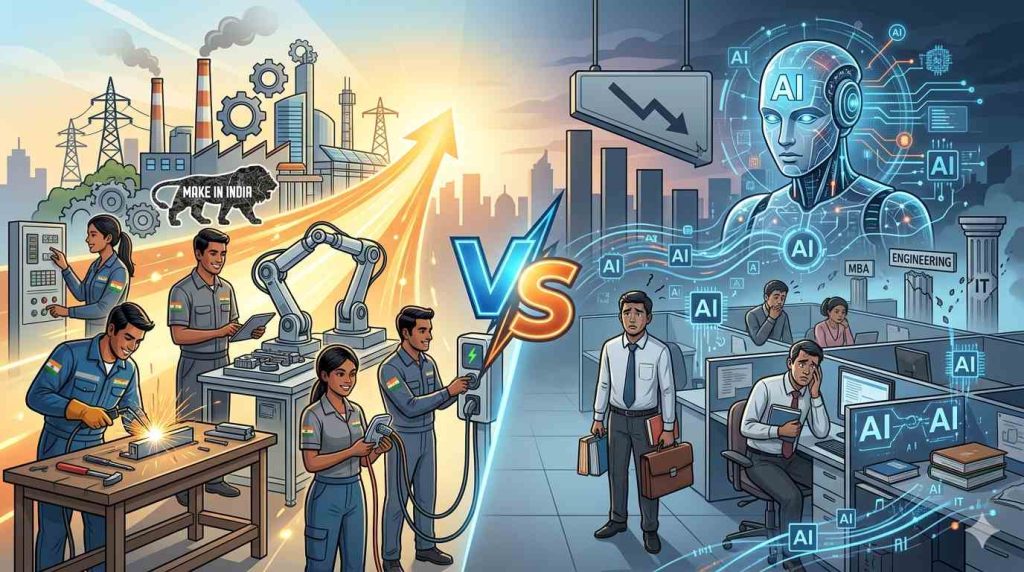
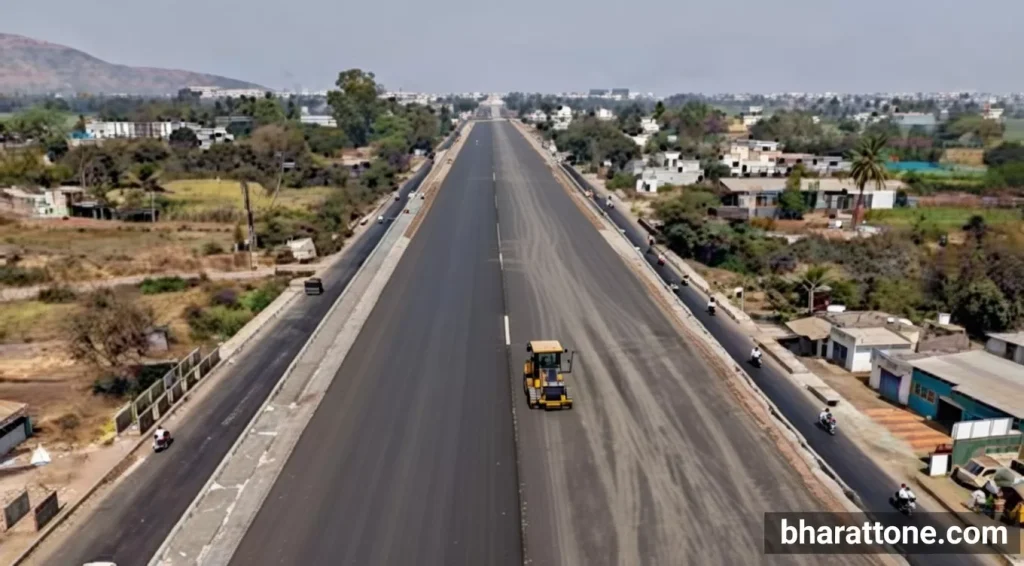
The services sector led the charge, growing at 9.3% in Q1 FY26, up from 6.8% in the prior year. Key contributors included trade, hospitality, transport, and communication services, which benefited from rising domestic demand. The construction sector grew by 7.6%, supported by sustained government investment in infrastructure projects. Manufacturing maintained steady growth at 7.7%, aligning closely with the 7.6% recorded in Q1 FY25, driven by initiatives like Make in India.
Agriculture, a critical sector for India’s rural economy, rebounded strongly with a 3.7% growth rate, compared to 1.5% in Q1 FY25, thanks to a favorable monsoon season that boosted crop yields and rural spending. However, challenges persisted in mining and quarrying, which contracted by 3.1% due to flood-related disruptions, while utilities grew modestly at 0.5%.
Demand-side indicators also painted a positive picture. Private Final Consumption Expenditure (PFCE), reflecting household spending, grew by 7.0%, slightly lower than 8.3% in Q1 FY25 but indicative of resilient consumer sentiment. Gross Fixed Capital Formation (GFCF), a measure of investment, rose by 7.8%, driven by public and private infrastructure projects. Government Final Consumption Expenditure (GFCE) surged by 9.7% in nominal terms, up from 4.0% the previous year, reflecting increased public spending to bolster growth.
Countering the Naysayers
The 7.8% growth rate directly refutes claims by critics like Donald Trump, who dismissed India’s economic progress, and Rahul Gandhi, who described the economy as “stagnant.” This performance highlights India’s ability to thrive despite global headwinds, leveraging its large domestic market, youthful workforce, and strategic reforms. Chief Economic Advisor V. Anantha Nageswaran remarked, “India’s economic fundamentals—its dynamic workforce, high savings rate, and prudent fiscal policies—position it to sustain high growth even in a challenging global environment.”
This growth aligns with India’s long-term vision of Viksit Bharat@2047, aiming for developed nation status by 2047. The data also counters narratives of economic weakness, showcasing India’s ability to navigate external pressures while maintaining domestic momentum.
Tackling Global Challenges
India’s economy faces potential risks, including U.S. tariffs that could shave 20-90 basis points off GDP growth. However, with exports accounting for a relatively small share of GDP (around 20%), and domestic consumption driving 61.4% of economic activity, India remains well-insulated. The RBI’s monetary policy, including a 100-basis-point rate cut to 5.5% between February and June 2025, has supported growth by enhancing credit access. Inflation, at a six-year low of 2.1% in June 2025, has provided further room for policy flexibility.
Government spending has prioritized capital expenditure, with the fiscal deficit for FY25 at 4.8% of GDP, reflecting fiscal discipline. While global uncertainties, such as trade disruptions and geopolitical tensions, pose challenges, India’s diversified economy and policy measures mitigate these risks. Export growth, which reached 6.3% in FY25, slowed to 3.9% in Q4, signaling the need for vigilance.
A Promising Future
With a projected nominal GDP of $4.19 trillion by the end of FY26, India is poised to overtake Japan as the world’s fourth-largest economy, according to the International Monetary Fund (IMF). The country is on track to reach a $5 trillion economy by 2027 and surpass Germany to become the third-largest by 2028. Structural reforms, including ease of doing business, digital transformation, and infrastructure development, continue to drive growth. Global companies like Apple are increasingly investing in India, reinforcing its role as a manufacturing hub amid shifting supply chains.
Conclusion
India’s 7.8% GDP growth in Q1 FY26 is a powerful testament to its economic resilience and strategic vision. By capitalizing on domestic strengths and navigating global challenges, India has silenced critics and reaffirmed its status as the world’s fastest-growing major economy. As it advances toward a $5 trillion economy and its Viksit Bharat@2047 goals, India’s economic trajectory remains a beacon of optimism in an uncertain global landscape.

