













































































































Sravana Masam 2025: Significance, Poojas, Vratas, and Festivals for Hindus


Sravana Masam, also known as Sawan, is one of the holiest months in the Hindu calendar, revered for its spiritual significance and vibrant rituals. Falling typically in July or August, this sacred month is dedicated to Lord Shiva, Goddess Lakshmi, and Lord Vishnu. For Hindus, Sravana Masam is a time of devotion, fasting, and celebrating festivals that strengthen spiritual and familial bonds. In this article, we explore the importance, history, poojas, vratas, and festivals of Sravana Masam 2025, optimized for www.bharattone.com to guide devotees in their spiritual journey.
Importance of Sravana Masam for Hindus
Sravana Masam, the fifth month of the Hindu lunar calendar, holds immense spiritual significance due to its association with divine events and cosmic energies. Named after the Sravana Nakshatra (star), which is prominent during this period, the month is considered highly auspicious for worship and spiritual practices. According to Hindu mythology, Sravana Masam is linked to the Samudra Manthan (churning of the ocean), where Lord Shiva drank the poison (halahala) to protect the universe, earning the title Neelkanth. This act underscores the month’s dedication to Lord Shiva, making it a time for devotees to seek his blessings for protection and spiritual growth.
The month also aligns with the southwest monsoon, symbolizing fertility and renewal. The lush greenery and rains enhance the spiritual ambiance, encouraging devotees to engage in fasting, meditation, and charitable acts. Sravana Masam is believed to amplify the results of pujas and vratas, offering peace, prosperity, and moksha (liberation). It is also an auspicious time for weddings, housewarming ceremonies, and new ventures, except during inauspicious Adhika Masam periods.
Historical and Mythological Significance
The historical roots of Sravana Masam are deeply embedded in Hindu scriptures. The Samudra Manthan, a pivotal event, saw the gods (Devas) and demons (Asuras) churn the cosmic ocean to obtain Amrit (nectar of immortality). This process yielded divine treasures, including Goddess Lakshmi, who emerged as the goddess of wealth and prosperity. Lord Shiva’s act of consuming the poison during this event solidified his association with Sravana Masam, making it a prime time for Shiva worship.
Additionally, Sravana Nakshatra is considered the birth star of Lord Vishnu, further enhancing the month’s sanctity. Ancient texts like the Puranas highlight the month’s auspiciousness for performing rituals, with Lord Vishnu and Goddess Lakshmi being worshipped alongside Lord Shiva and Goddess Parvati. The month also marks the beginning of Chaturmas, a four-month period of heightened spiritual practices.
Key Poojas in Sravana Masam
Sravana Masam is marked by a variety of pujas that devotees perform to seek divine blessings. These rituals are often elaborate, involving offerings, mantras, and sacred items. Key poojas include:
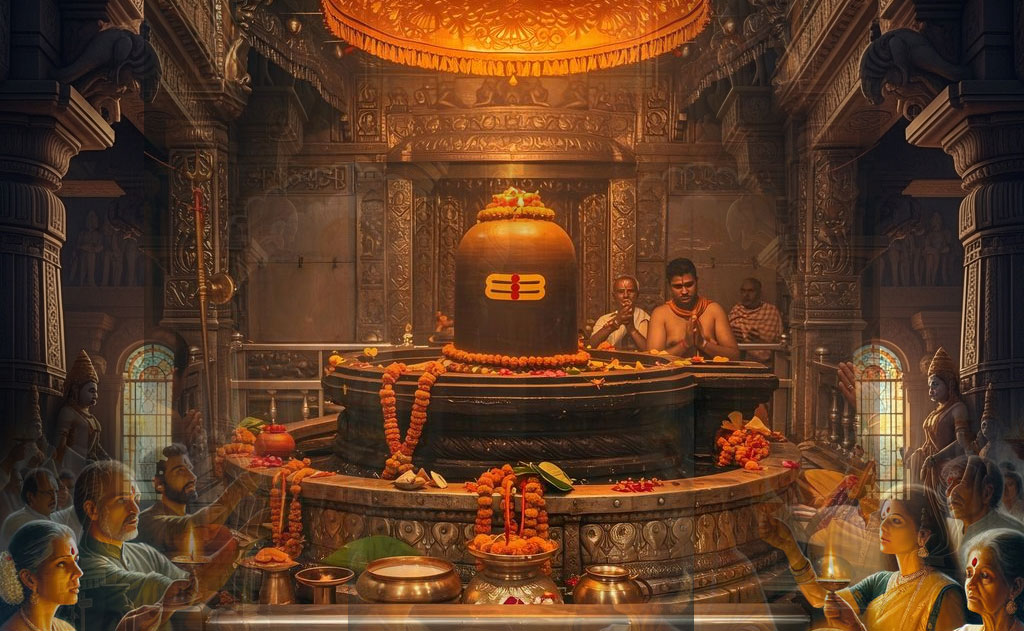
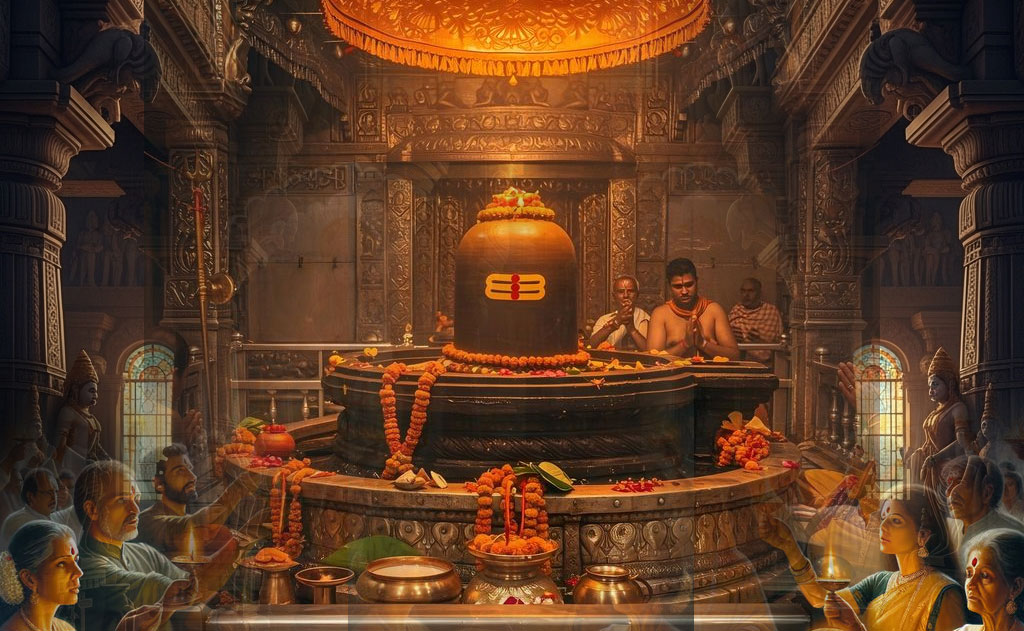
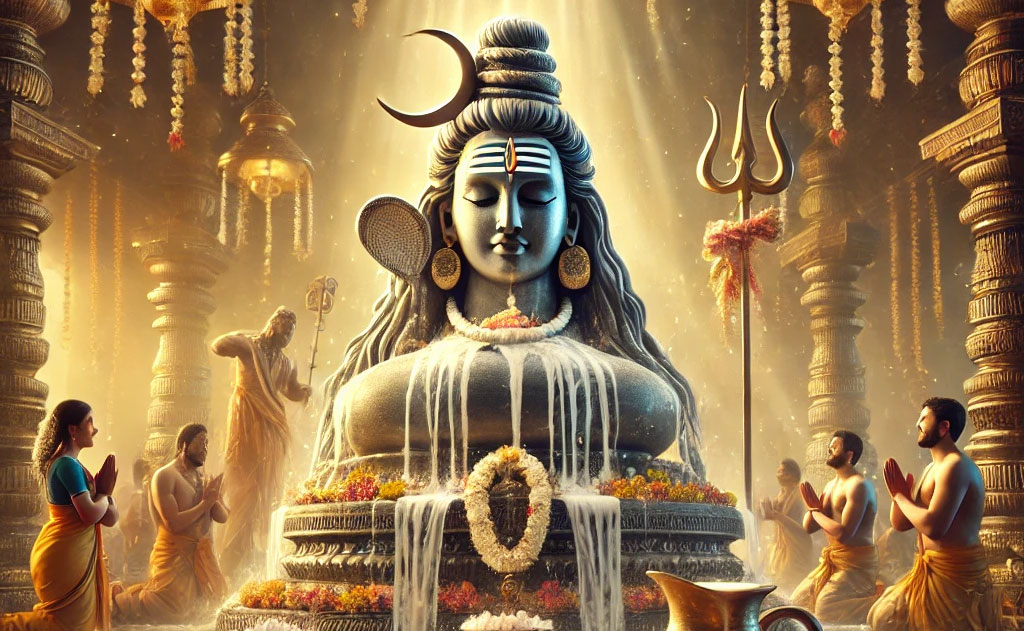
- Rudrabhishekam: A powerful ritual where Lord Shiva is bathed with Panchamrit (milk, curd, honey, ghee, and sugar) and offered Bilva leaves. Chanting the Mahamrityunjaya Mantra during this puja is believed to grant protection and spiritual upliftment.
- Varalakshmi Pooja: Performed on Fridays, especially the Friday before Purnima, this puja honors Goddess Lakshmi. Devotees place a kalash (bronze pot) on a heap of rice, mark it with a swastika, and offer leaves and betel nuts, praying for prosperity and family well-being.
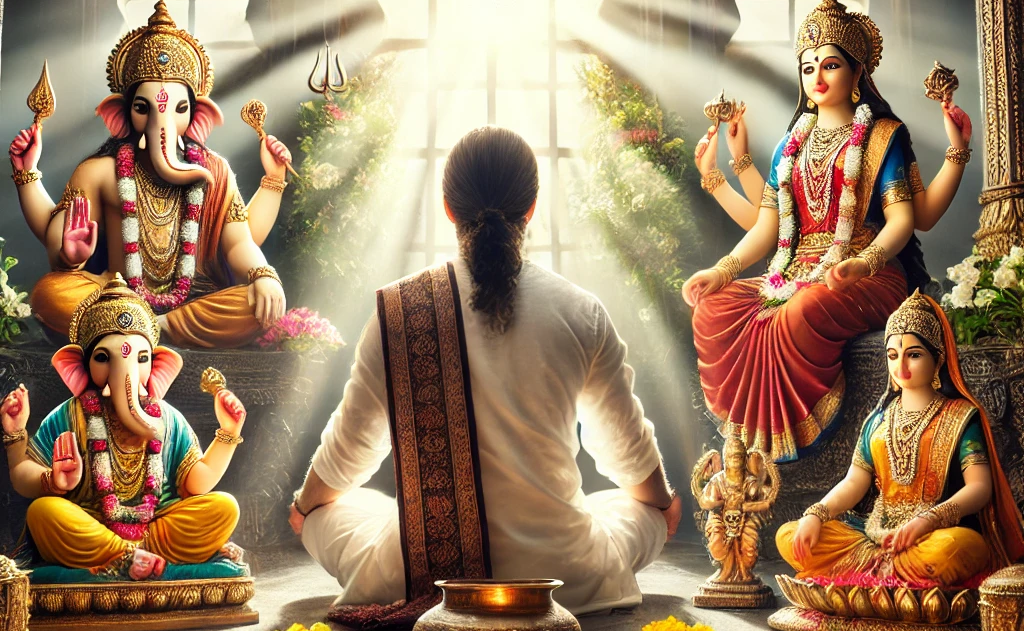
- Shiv Parivar Pooja: This puja venerates Lord Shiva, Goddess Parvati, and their sons, Ganesha and Kartikeya, symbolizing family harmony and completeness. It is particularly popular during Sravana Masam.
- Pavitrarovanotsav: During Shukla Paksha (August 5–19, 2025), devotees worship specific gods each day using a thread made of 108 durva (grass) blades, enhancing the spiritual potency of the rituals.
Important Vratas in Sravana Masam
Fasting (vratas) during Sravana Masam is a common practice to purify the body and mind. These vratas are dedicated to various deities and are believed to yield immense spiritual and material benefits. Key vratas include:
- Sravana Somvar Vrat: Observed on Mondays, this fast is dedicated to Lord Shiva. Devotees fast from sunrise to sunset, visit Shiva temples, and perform Rudrabhishekam. In 2025, Somvar Vrat dates are July 14, 21, 28, and August 4 (North India) and July 28, August 4, 11, and 18 (South India).
- Mangala Gauri Vrat: Married women observe this fast on Tuesdays for marital bliss and their spouse’s longevity. Dates in 2025 are July 15, 22, 29, and August 5 (North India) and July 29, August 5, 12, and 19 (South India).
- Varalakshmi Vratam: Observed on August 8, 2025, this fast is performed by married women to seek Goddess Lakshmi’s blessings for prosperity. Devotees chant mantras like “Om Sri Mahalakshmyai Namaha” and offer yellow fruits and flowers.
- Sravana Vrat: Dedicated to Lord Vishnu, this fast is observed on Sravana Nakshatra days, similar to Ekadashi fasting. Devotees avoid non-vegetarian food and alcohol, breaking the fast with naivedyam (offerings) the next morning.
- Shravana Shaniwar Vrat: Saturdays are dedicated to Lord Shani, with devotees fasting to mitigate the malefic effects of Saturn.
Major Festivals in Sravana Masam
Sravana Masam is filled with vibrant festivals that celebrate devotion, family bonds, and divine grace. Key festivals in 2025 include:
- Nag Panchami (July 29): Devotees worship serpent deities with offerings of milk and flowers, seeking protection from snake bites and honoring their ecological role.
- Raksha Bandhan (August 9): This festival celebrates the sibling bond, with sisters tying a rakhi (sacred thread) on their brothers’ wrists, symbolizing love and protection. In South India, it is also known as Janjhala Pournami, where Brahmins perform Upakarma and renew their sacred thread.
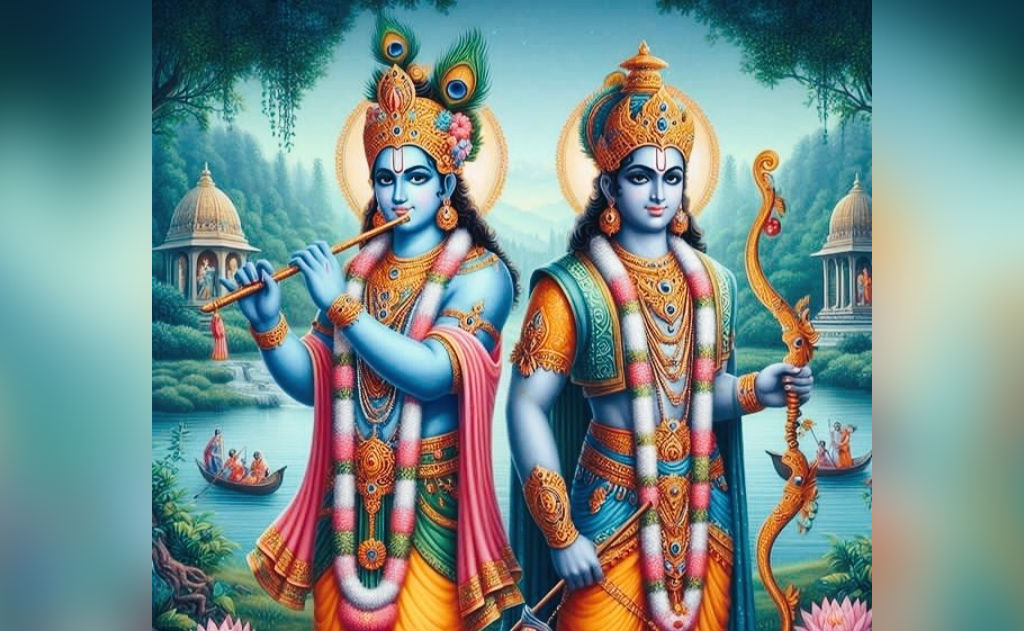
- Krishna Janmashtami (August 15): Marking the birth of Lord Krishna, this festival involves fasting, devotional singing, and reenactments of Krishna’s life. Temples are adorned, and devotees stay awake for night-long vigils.
- Varalakshmi Vratam (August 8): A significant festival for married women, this involves elaborate pujas to Goddess Lakshmi for family prosperity.
- Gayatri Jayanti (August 9): Celebrated on Sravana Purnima, this marks the birth anniversary of Goddess Gayatri, the mother of the Vedas, often coinciding with Sanskrit Diwas.
Spiritual and Cultural Benefits
Sravana Masam offers a unique opportunity to reconnect with spirituality and tradition. Fasting and meditation during this month promote mindfulness, improve physical health, and foster community bonds. The emphasis on charitable acts aligns with values of compassion and social responsibility. Participating in temple activities, community pujas, and cultural programs enhances the spiritual experience, making Sravana Masam a time of reflection and renewal.
Celebrate Sravana Masam with Bharattone
Embrace the divine essence of Sravana Masam 2025 with www.bharattone.com. Explore our spiritual guides, puja kits, and authentic resources to enhance your rituals and celebrations. Whether you’re performing Varalakshmi Vratam, Rudrabhishekam, or joining community events, Bharattone is your trusted companion for a fulfilling spiritual journey. Visit our website for detailed puja vidhanam, festival calendars, and exclusive products to make your Sravana Masam celebrations memorable.
Conclusion
Sravana Masam 2025 is a sacred period filled with devotion, fasting, and joyous festivals. By participating in poojas, observing vratas, and celebrating festivals like Nag Panchami, Raksha Bandhan, and Krishna Janmashtami, devotees can seek blessings for prosperity, protection, and spiritual growth. With its rich mythological history and vibrant rituals, Sravana Masam remains a cornerstone of Hindu culture. Let www.bharattone.com guide you in honoring this auspicious month with reverence and joy.
