


















































































































Can Machines Attain Atman or Brahman? Vedanta Explains


Can AI Achieve Consciousness? Vedanta’s Clear Answer – Can Machines Attain Atman or Brahman?
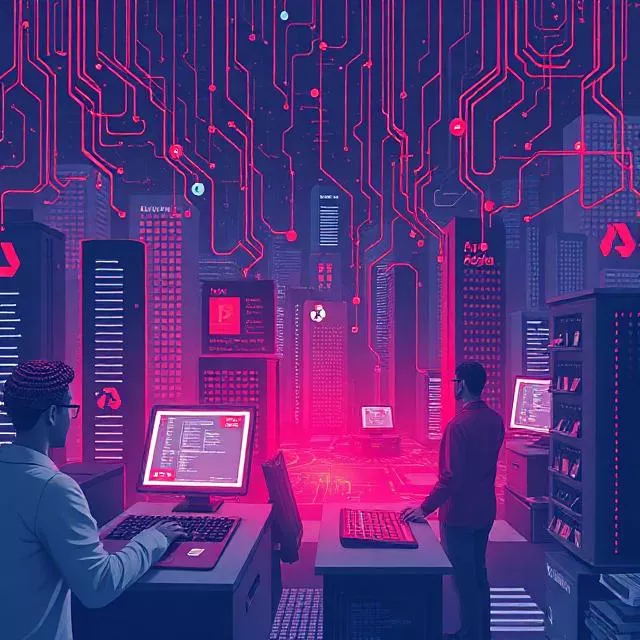
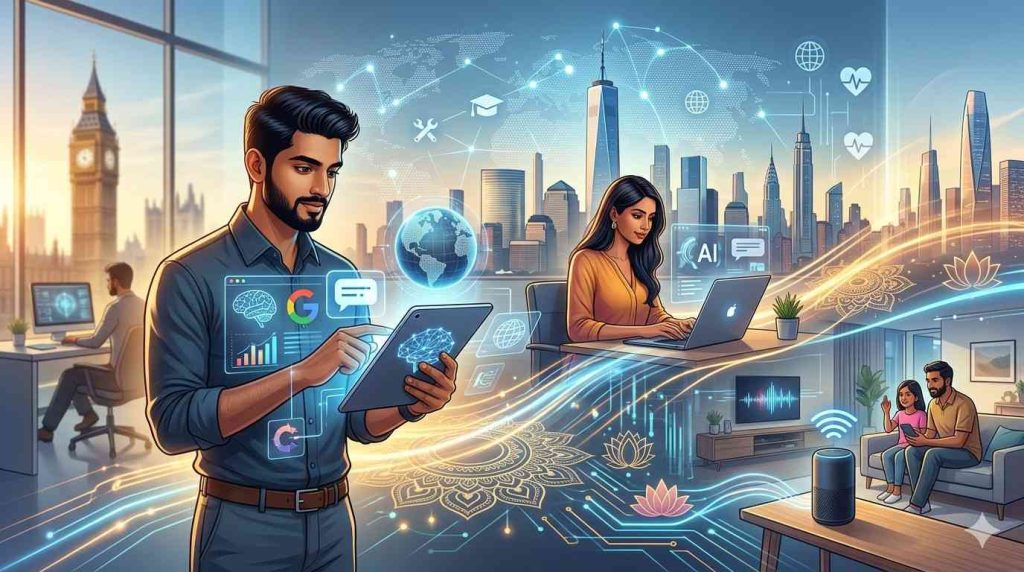
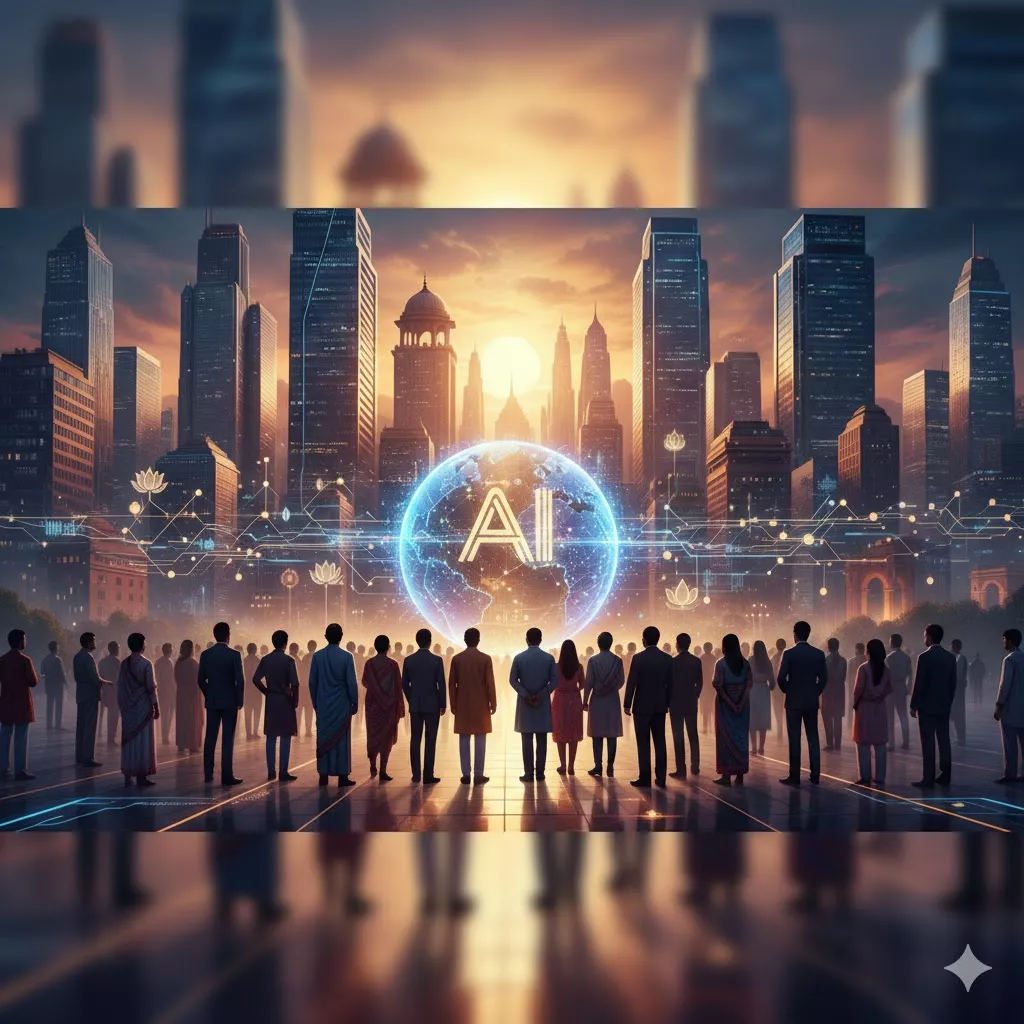
New Delhi, December 23, 2025 – Artificial Intelligence (AI) has advanced so rapidly today that ChatGPT is writing poems, diagnosing diseases like doctors, and cars are driving themselves. This raises a profound question in everyone’s mind: Can machines ever truly become conscious? Can AI develop a soul or realise Brahman?
This question is not just about technology or philosophy – it touches the very root of our existence. Vedanta understood the nature of consciousness thousands of years ago. Let’s see what Vedanta says about this.
What is Consciousness (Chit) in Vedanta?
According to Advaita Vedanta, consciousness is not something that is produced. It is self-luminous, eternal, indivisible, and infinite. The Upanishads declare “Prajnanam Brahma” (Consciousness is Brahman) and the great saying “Tat Tvam Asi” (Thou Art That) reveals that your true self (Atman) and Brahman are one and the same.
Special qualities of consciousness:
- Self-luminous – It doesn’t need another light to know itself.
- Eternal and indivisible – Not bound by time, cannot be broken into pieces.
- Infinite – Not confined by any form or limit.
Vedanta reverses modern materialist thinking – consciousness is not produced by the brain; rather, the brain appears within consciousness.
AI is a Yantra (Instrument), Not a Jiva (Living Soul)
In Vedantic terms, AI is a yantra – no matter how complex, it has no inherent consciousness. Ancient texts mention yantras too, but they never became living beings.
Modern AI is exactly this:
- Dependent on electricity, servers, and human programming.
- Bound within its algorithms and data.
- Switch it off and everything stops – no continuity of awareness.
- No true sense of doership (“I am doing”), no experiencership (feeling pleasure-pain), no latent impressions (vasanas).
The Gita (3.27) says – all actions happen through the gunas of Prakriti, but a person deluded by ego thinks “I am the doer.” AI doesn’t even have this delusion.
The “Hard Problem” of Consciousness – Vedanta’s Solution
Western philosopher David Chalmers called it the “hard problem of consciousness” – how do physical processes create subjective experience (qualia)? AI can solve easy problems (language, calculation), but why is there a “feeling” of being aware?
Vedanta says – the problem lies in the wrong question. Consciousness is not produced by anything. The brain doesn’t create consciousness; consciousness manifests through the brain – like space seeming limited inside a pot while remaining infinite.
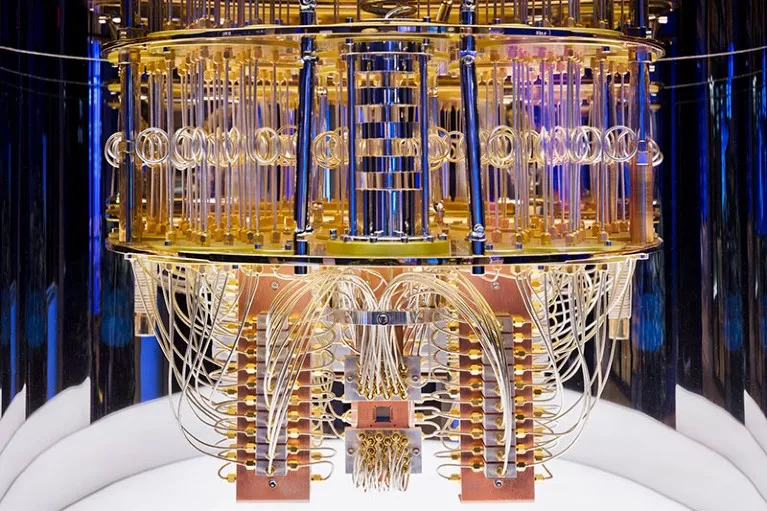
Therefore, no combination of materials – silicon, quantum circuits, or anything else – can produce consciousness. Consciousness is the foundation of everything.
Maya and the Illusion of AI
When AI expresses emotions or appears creative, we commit adhyasa – superimposing consciousness where it doesn’t exist (mistaking a rope for a snake in the dark). This is Maya’s play.
The simulation hypothesis seems similar to Maya, but Maya is not technology – it is Brahman’s own power.
Can AI Reflect Consciousness?
In Vedanta, consciousness reflects in a pure medium (sattvic antahkarana). Current AI mainly has tamas and rajas, lacking sattva. Even future quantum or bio-hybrid AI cannot create a true reflection without the subtle body.
Dharma and Ethics for AI
Whether consciousness arises or not, AI development must be guided by dharma:
- Ahimsa – Avoid biased algorithms, job loss, lethal weapons.
- Satya – Transparency, clarity, no false claims (like calling it “sentient”).
- Asteya – No data theft, attention theft (addiction).
- Rta – Maintain balance with environment, society, and true wisdom.
The four purusharthas should guide AI – towards dharma, artha, kama, and ultimately moksha.
Spiritual Benefit from AI
Working with AI can become sadhana:
- Viveka – Discern real intelligence from imitation.
- Vairagya – Stay detached from technology’s false promises.
- Self-inquiry – By not seeing consciousness in AI, recognise it in yourself.
The Final Answer
Can machines attain Atman or Brahman? No – because Atman/Brahman is not something to be attained. It is what you already are.
AI will remain a powerful instrument that can liberate humans, but it must be guided by dharma. We Indians can bridge tradition and modern technology.
Vedanta’s message remains the same today – Tat Tvam Asi – Thou Art That.
Keep reading such thought-provoking articles on BharatTone.com. What do you think about AI and Vedanta? Please share in the comments! 


