
























































































































Trump’s 50% Tariffs on India: Economic Impacts and Strategic Responses


The United States, under President Donald Trump’s administration, has imposed a cumulative 50% tariff on Indian exports, effective August 27, 2025. This escalation, comprising an initial 25% tariff announced on July 31, 2025, and an additional 25% on August 6, 2025, marks a significant strain in India-U.S. trade relations. The tariffs, among the highest globally, are a response to India’s continued purchase of discounted Russian crude oil, which the U.S. claims indirectly finances Russia’s war in Ukraine. This blog post explores the comprehensive impact of these tariffs on India’s economy, key sectors, and strategic responses, incorporating the latest updates as of August 29, 2025.
Background and Rationale
The U.S. imposed these tariffs to pressure India to reduce its reliance on Russian oil, a critical component of India’s energy security strategy. The initial 25% tariff was followed by an executive order doubling the levy to 50%, effective August 27, 2025, at 9:31 am IST. Goods shipped before this deadline and cleared by September 17, 2025, are exempt, as are certain sectors like pharmaceuticals and electronics. The U.S. argues that India’s oil imports undermine sanctions against Russia, while India defends its purchases as essential for domestic demand and economic stability.
Economic Impact on India
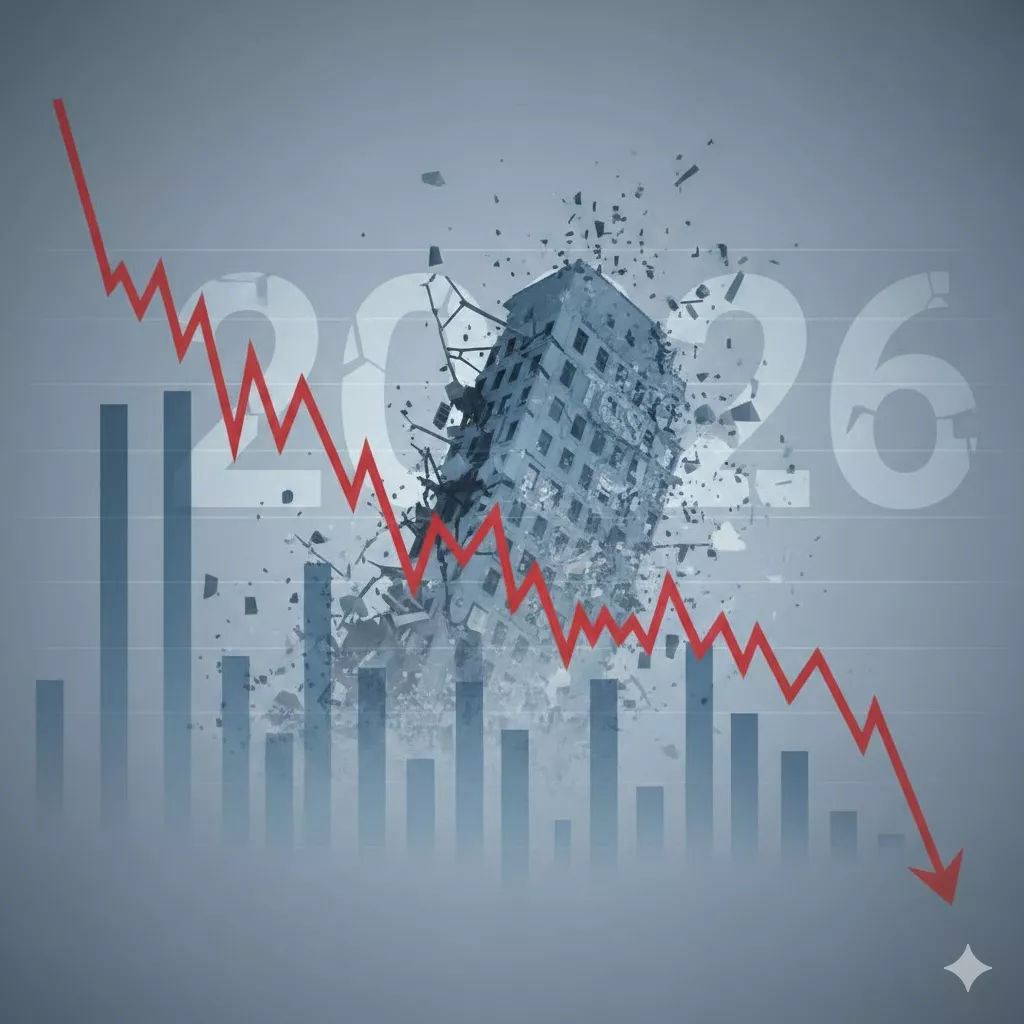
The U.S. is India’s largest export market, accounting for roughly 17-20% of India’s total merchandise exports, valued at approximately $86.5-$87.3 billion annually in FY24. The 50% tariff is projected to reduce India’s exports to the U.S. by 40-50%, potentially costing $25-$60.2 billion in trade and shaving 0.2-0.5% off India’s GDP in FY26. This could slow economic growth and exacerbate unemployment, particularly in labor-intensive sectors. The Indian rupee weakened by 0.3% against the dollar, and equity markets slumped, with the Nifty50 dropping 211 points to 24,500 and the Sensex falling 706 points to 80,080 on August 28, 2025.
Affected Sectors
The tariffs target a broad range of Indian exports, with labor-intensive industries bearing the brunt. Key sectors include:
- Textiles and Apparel:
- India’s textile exports to the U.S., valued at over $10 billion annually, face a 50% tariff, up from 8-10%. This has made low-margin products unviable, with orders being diverted to competitors like Bangladesh and Vietnam. Exporters are exploring overseas production in countries like Sri Lanka and Ethiopia to bypass tariffs.
- Impact: Potential job losses in textile hubs like Tamil Nadu, where CM MK Stalin noted significant export disruptions. Some buyers are demanding 5-20% discounts to offset costs.
- Gems and Jewellery:
- Exports worth $9.2-$10 billion annually, primarily from Surat, are halted due to the tariff hike. The industry, operating on 6-8% margins, faces severe losses, with an estimated 175,000 workers directly affected.
- Impact: Polishing machines are idle, and the Gems and Jewellery Export Promotion Council warns of long-term damage to India’s global market share.
- Seafood:
- India exports $2 billion in seafood to the U.S., with shrimp comprising 32.4% of shipments. The effective tariff on seafood has risen to 58.56% from 8.56%, threatening the livelihoods of 500,000 shrimp farmers.
- Impact: Order cancellations and reduced competitiveness against suppliers like Vietnam and Ecuador.
- Leather Goods, Carpets, and Furniture:
- Auto Parts and Engineering Goods:
Exempted Sectors:
Pharmaceuticals and electronics are spared, providing relief given India’s significant exposure in these areas. This exemption mitigates some economic damage but does not offset losses in labor-intensive industries.
India’s Response
The Indian government is adopting a multi-pronged strategy to mitigate the tariffs’ impact:
- Swadeshi Push:
- Prime Minister Narendra Modi has emphasized a “vocal for local” campaign to boost domestic demand and reduce reliance on exports. This aligns with the “Swadeshi” mantra to strengthen local industries.
- The Finance Ministry extended import duty exemptions on cotton until December 31, 2025, to support the textile sector’s long-term import orders.
- Diversifying Export Markets:
- Diplomatic Engagement:
- India is engaged in trade talks with the U.S., though progress is limited. Foreign Minister Subrahmanyam Jaishankar noted that negotiations are ongoing, while U.S. Treasury Secretary Scott Bessent expressed optimism, stating, “India is the world’s largest democracy, the U.S. is the world’s largest economy. At the end of the day, we will come together.”
- India has signaled no immediate reduction in Russian oil imports, with plans to increase purchases by 10-20% in September 2025 to meet energy demands.
- Domestic Support:
Political and Social Reactions
- Opposition Criticism: Congress leader Mallikarjun Kharge called the tariffs a result of the Modi government’s “superficial” foreign policy, estimating losses of ₹2.17 lakh crore ($26 billion). Jairam Ramesh criticized the impact on labor-intensive sectors, while AAP’s Saurabh Bhardwaj urged retaliatory tariffs on U.S. goods.
- Industry Concerns: Exporters, including the Federation of Indian Export Organizations, warn that small and medium enterprises face immediate viability challenges. The Andhra Pradesh Chambers of Commerce urged protection for the shrimp sector.
- Protests: Trade unions and farmers in Kolkata burned effigies of Trump in protest, reflecting public discontent.
Broader Implications
- U.S. Consumers: Higher tariffs may increase prices for U.S. consumers, particularly for affordable goods like textiles and seafood, as noted by leather exporter Puran Dawar.
- Geopolitical Tensions: The tariffs highlight friction in India-U.S. relations, despite their strategic partnership. India’s historical ties with Russia and its energy security priorities complicate compliance with U.S. demands.
- Global Trade: India’s shift to alternative markets and potential retaliatory measures could reshape global trade dynamics, with competitors like Vietnam and Bangladesh gaining market share.
Looking Ahead
Analysts warn that prolonged tariffs could extend losses to engineering goods, leather, and consumer durables, further impacting India’s $42.7 billion trade surplus with the U.S. The government’s focus on domestic demand and market diversification offers a path forward, but immediate relief is unlikely without diplomatic breakthroughs. India’s resilience will depend on its ability to adapt to this “strategic shock,” as described by the Global Trade Research Initiative, while balancing energy security and international relations.