


































































































































India Unveils First Indigenous Vikram 32-bit Microprocessor at Semicon India 2025

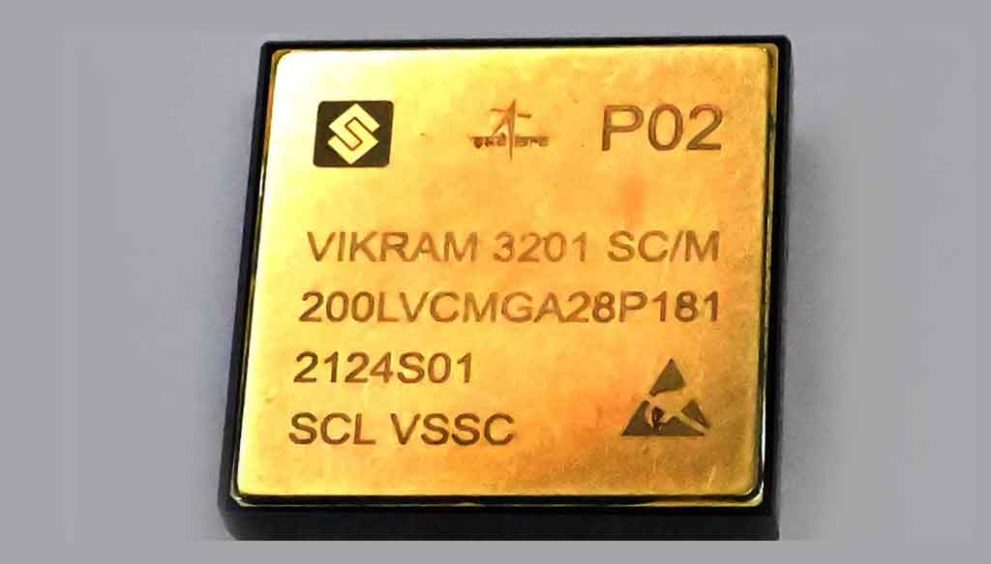
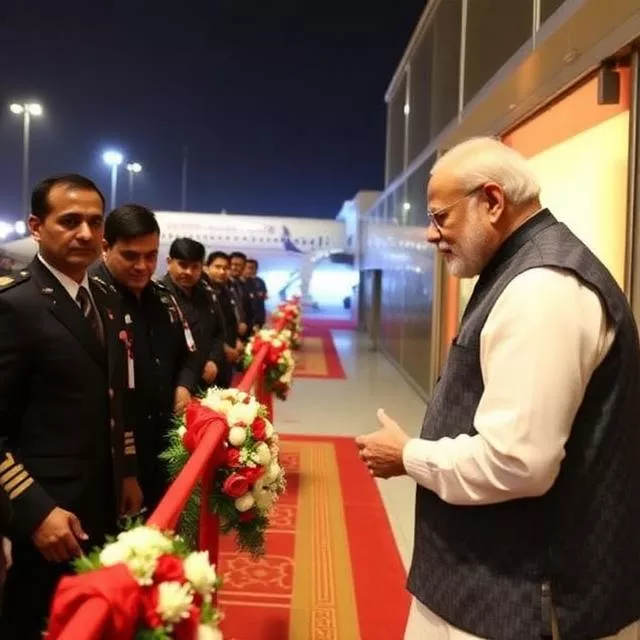
New Delhi, September 2, 2025 – In a landmark achievement for India’s technological self-reliance, Prime Minister Narendra Modi was presented with the country’s first fully indigenous 32-bit microprocessor, named Vikram, at the Semicon India 2025 conference held at Yashobhoomi, New Delhi. Union Minister for Electronics and Information Technology, Ashwini Vaishnaw, handed over the Vikram 32-bit processor, along with test chips consequential step in India’s journey toward becoming a global semiconductor hub.
Developed by the Indian Space Research Organisation’s (ISRO) Semiconductor Laboratory (SCL) in Chandigarh, in collaboration with the Vikram Sarabhai Space Centre, the Vikram 3201 microprocessor is designed to withstand the extreme environmental conditions of space launch vehicles, operating reliably in temperatures ranging from -55°C to +125°C. This cutting-edge chip, fabricated at SCL’s 180nm CMOS semiconductor fab, marks a significant upgrade from its predecessor, the 16-bit Vikram 1601, which has been in use since 2009. The Vikram 3201 was successfully validated in space during ISRO’s PSLV-C60 mission, powering the Mission Management Computer of the PSLV Orbital Experimental Module (POEM-4).
During the ceremony, Minister Vaishnaw also presented test chips from four other approved projects, including two variants of a Reconfigurable Data Acquisition System, a Relay Driver Integrated Circuit, and a Multi-Channel Low Drop-out Regulator Integrated Circuit, all aimed at miniaturizing launch vehicle avionics. Additionally, the Kalpana 3201, a 32-bit SPARC V8 RISC microprocessor compatible with open-source software toolsets, was introduced, further showcasing India’s growing expertise in semiconductor technology.
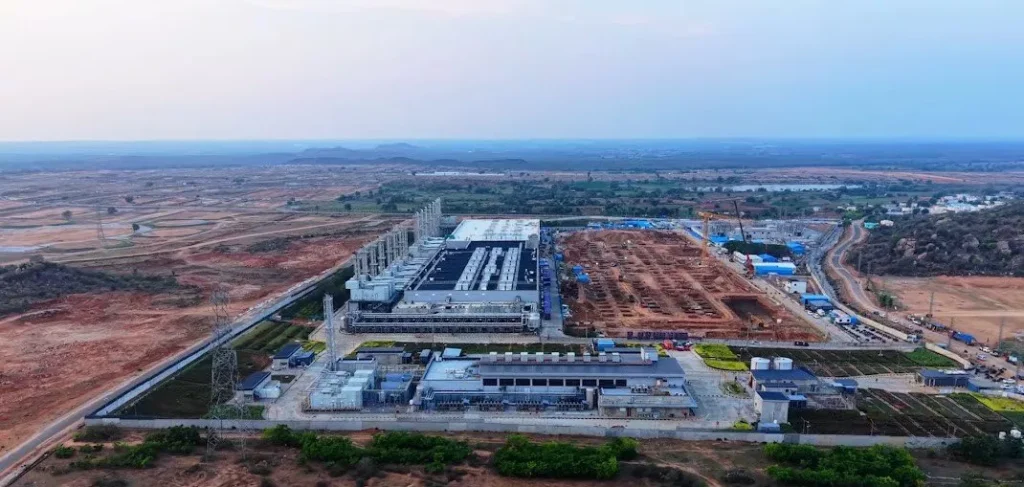
Speaking at the event, Vaishnaw emphasized the rapid progress of India’s semiconductor ecosystem under the India Semiconductor Mission, launched in 2021. “Just a few years ago, we embarked on this journey with the Prime Minister’s visionary leadership. Today, we have five semiconductor units under construction, with the pilot line of one unit already completed and two more set to begin production soon,” he said. He urged global investors to seize the opportunity, highlighting India’s stable policies and booming electronics market, which has seen a sixfold increase in production and an eightfold rise in exports over the past decade. “In these turbulent times, India stands as a lighthouse of stability and growth,” Vaishnaw added.
Prime Minister Modi, who inaugurated the three-day Semicon India 2025 conference, underscored the event’s significance in positioning India as a global leader in chip design and manufacturing. The conference, organized by the India Semiconductor Mission (ISM) and SEMI, the global semiconductor industry association, saw participation from over 350 exhibitors across 33 countries and attracted more than 20,750 attendees, including global CEOs. Discussions focused on semiconductor fabrication, advanced packaging, smart manufacturing, AI innovations, and investment opportunities, with 10 approved semiconductor projects worth over ₹1.6 lakh crore in progress across six states.
The Vikram processor’s development aligns with India’s “Make in India” initiative, reducing reliance on imported chips and strengthening national security in critical sectors like aerospace and defense. Its supporting software tools, including compilers, assemblers, and integrated development environments, were developed in-house by ISRO, with a C language compiler currently in progress to expand its applications beyond space technology.
The unveiling of Vikram 3201 follows the successful deployment of ISRO’s earlier microprocessors and marks a pivotal moment in India’s semiconductor journey. With companies like Tata Electronics, Micron Technology, and Applied Materials investing heavily in the country, and the government’s ₹76,000 crore Production Linked Incentive (PLI) scheme driving growth, India is poised to become a powerhouse in the global semiconductor industry.
As the nation celebrates this milestone, the Semicon India 2025 conference continues to highlight India’s advancements in chip manufacturing, research, and workforce development, paving the way for a self-reliant and technologically advanced future.
Stay updated on India’s technological advancements at www.bharattone.com.

