





































































































How Bharat Celebrates Ganesh Chaturthi: A Journey Through India’s Most Beloved Festival

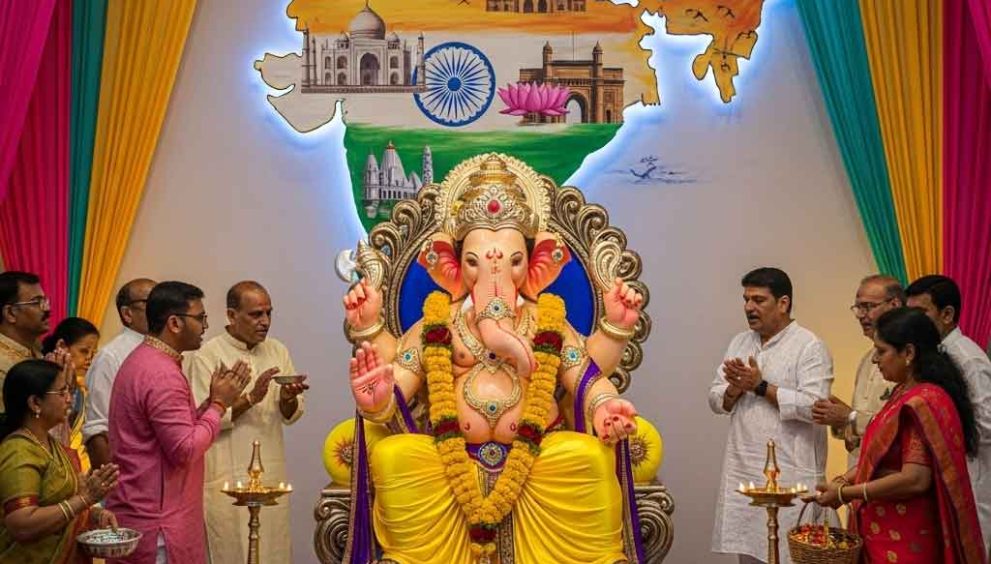
Ganesh Chaturthi, the celebration of Lord Ganesha’s birth, transforms the entire nation of Bharat into a canvas of devotion, culture, and unity. This 10-day long festival not only celebrates the birthday of Lord Ganesh, but is also a social and community event that brings people together and promotes harmony. From the bustling streets of Mumbai to the serene temples of Tamil Nadu, every corner of India celebrates this auspicious occasion with unique traditions that reflect the rich cultural diversity of our motherland.
The Pan-Indian Significance of Ganesh Chaturthi
Ganesh Chaturthi 2024, celebrated on September 7th, honors the auspicious birth of Lord Ganesha. This 10-day festival features lively processions, intricate rituals, and community events, bringing together devotees across India in a festive celebration of wisdom, prosperity, and good fortune. The festival serves as a unifying force that transcends regional boundaries while allowing each state to express its unique cultural identity.
The Universal Rituals Across Bharat
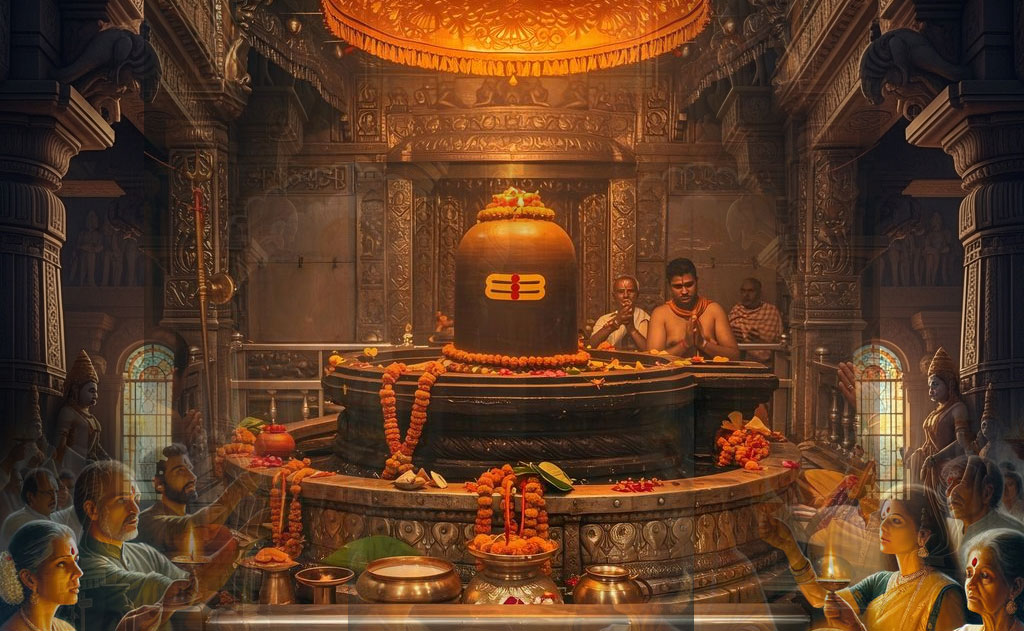
Every year, his birth is celebrated with a 10-day festival, during which four main rituals, namely Prana Pratishta, Shodashopachara, Uttarpuja, and Ganpati Visarjan are performed. These core rituals remain consistent across the country, providing a common spiritual framework while allowing for regional variations in their execution.
Maharashtra: The Epicenter of Ganeshotsav
The Grand Scale of Celebrations
Maharashtra is the epicenter of Ganesh Chaturthi celebrations. Cities like Mumbai, Pune, and Nagpur witness grand pandals with massive idols, cultural performances, dance processions, and aarti competitions. Famous Ganesh idols like Lalbaugcha Raja, Siddhivinayak, and Dagdusheth Ganapati attract millions of devotees from across the globe.
Key Features of Maharashtra’s Celebrations:
- Sarvajanik Mandals: Community-organized public celebrations that started during the freedom struggle
- Elaborate Pandals: Temporary structures housing magnificent Ganesha idols, some reaching up to 20 feet in height
- Cultural Programs: Dance, music, and theatrical performances showcasing Marathi heritage
- Massive Processions: The famous Ganpati Visarjan processions that can last for hours
Historical Significance in Maharashtra
The modern form of public Ganesh Chaturthi celebrations was popularized by freedom fighter Lokmanya Bal Gangadhar Tilak in the 1890s. Through his efforts, the festival became a ten-day celebration. On the tenth day of the celebration, devotees carry Ganesha idols alongside singing and moving to drench it in water. The name of the procession is Visarjana.
Southern India: Diverse Regional Celebrations
Karnataka: Gowri-Ganesha Festival
In Karnataka the Gowri festival precedes Ganesh Chaturthi, and people across the state wish each other well. This unique tradition combines the worship of Goddess Gowri (Parvati) with Lord Ganesha, creating a distinctive celebration pattern.
Karnataka’s Special Features:
- Gowri Festival: One day before Ganesh Chaturthi, dedicated to Goddess Parvati
- Clay Idols: Traditional use of eco-friendly clay idols
- Cultural Integration: Blend of Kannada cultural elements with religious rituals
- Family Celebrations: Strong emphasis on home-based worship alongside community events
Andhra Pradesh and Telangana: Vinayaka Chavithi
In Andhra Pradesh, Ganesh Murtis of clay (Matti Vinayakudu) and turmeric (Siddhi Vinayakudu) are usually worshipped at home with plaster of Paris Murti’s. In Maharashtra and Andhra Pradesh, this festival is called Vinayaka Chaturthi.
Unique Traditions in Telugu States:
- Matti Vinayakudu: Clay idols made locally by skilled artisans
- Siddhi Vinayakudu: Special turmeric idols for home worship
- Prasadam Distribution: Elaborate community feasts and sweet distribution
- Bhajans and Kirtans: Traditional devotional music sessions
Tamil Nadu: Vinayaka Chaturthi and Pillayar Celebrations
Ganesh Chaturthi is called “Vinayaka Chaturthi” in Tamil Nadu. People who worship Ganesha set up clay statues of him in their homes and in temples, especially the well-known “Pillayar” shrines that are dedicated to him. In Tamil Nadu it is known as Pillayar Chaturthi.
Tamil Nadu’s Distinctive Elements:
- Pillayar Shrines: Dedicated temples specifically for Lord Ganesha
- Kozhukattai: Traditional sweets like “Kozhukattai” (which tastes like Modak) are given. As part of the celebration, early morning songs called Vinayaka Suprabhatam are chanted and stories about Ganesha are read
- Classical Music: Integration of Carnatic music in prayers and celebrations
- Temple Festivals: Grand celebrations in ancient temples with traditional rituals
Western and Northern India: Growing Celebrations
Gujarat: Regional Flavor and Community Spirit
Ganesh Chaturthi is celebrated with great fervor across India, with each region adding its unique flavor to the festivities. While the festival is most prominent in Maharashtra, it is also widely celebrated in states like Karnataka, Andhra Pradesh, Telangana, Tamil Nadu, Gujarat, and Goa.
Gujarat’s Celebration Style:
- Business Community Participation: Strong involvement of trader communities
- Gujarati Delicacies: Special preparation of traditional Gujarati sweets
- Cultural Programs: Folk dances like Garba integrated into celebrations
- Eco-Conscious Approach: Increasing trend toward environmentally friendly celebrations
Goa: Portuguese Influence Meets Hindu Tradition
Parab or Chavath are popular names of this festival in Goa. The state’s unique history creates a distinctive celebration style.
Goan Traditions:
- Coastal Celebrations: Beach-side pandals and sea immersion ceremonies
- Cultural Fusion: Blend of Hindu traditions with local Konkani culture
- Music and Dance: Integration of local folk music forms
- Community Harmony: Celebration by people from diverse religious backgrounds
Eastern India: Emerging Celebrations
While less universally celebrated compared to in Maharashtra, Ganesh Chaturthi is celebrated with fervor in West Bengal and Odisha as well. Families, offices, and schools install idols, and traditional pujas and cultural programs are organized.
West Bengal and Odisha Features:
- Cultural Programs: Emphasis on artistic and literary activities
- Educational Institution Participation: Active involvement of schools and colleges
- Bengali Sweets: Incorporation of local delicacies like rasgulla and sandesh
- Growing Popularity: Increasing participation year by year
Home Celebrations Across Bharat
Traditional Family Observances
To celebrate, some families keep an idol of Ganesha in their homes for between 36 hours and 10 days, and welcome family and friends to visit for darshan, or prayers. This intimate form of celebration remains consistent across all regions of India.
Common Home Practices:
- Clay Idol Installation: Setting up eco-friendly Ganesha idols in homes
- Daily Prayers: Morning and evening aarti ceremonies
- Prasadam Preparation: Making traditional sweets like modak
- Family Gatherings: Inviting relatives and friends for darshan
Regional Food Traditions
Offerings and prasada from the daily prayers, that are distributed from the pandal to the community, include sweets such as modak as it is believed to be a favourite of Ganesha.
State-Wise Culinary Traditions:
- Maharashtra: Modak, puran poli, and ukadiche modak
- Karnataka: Unde, karanji, and coconut-based sweets
- Tamil Nadu: Kozhukattai, vella kozhukattai, and uppu kozhukattai
- Andhra Pradesh: Kudumulu, undrallu, and bellam kozhukattai
- Gujarat: Fafda, dhokla, and gujarati-style modak
Modern Evolution of Celebrations
Technology and Digital Integration
Contemporary celebrations have embraced modern technology while maintaining traditional essence:
Digital Innovations:
- Virtual Darshan: Online streaming of famous temple celebrations
- Social Media Campaigns: Promoting eco-friendly celebrations
- Mobile Apps: For finding nearby pandals and celebration schedules
- Digital Donations: Online contributions to community mandals
Environmental Consciousness
Clean the house, set up a decorated puja area, bring a clay Ganesha idol, perform rituals with eco-friendly materials. Modern celebrations increasingly focus on sustainability.
Eco-Friendly Initiatives:
- Clay Idols: Promotion of biodegradable clay idols over plaster of Paris
- Natural Colors: Use of organic colors for decorations
- Water Conservation: Artificial ponds for immersion instead of natural water bodies
- Waste Management: Proper disposal and recycling of celebration materials
The Unifying Spirit of Ganesh Chaturthi
Cultural Integration and National Unity
Despite regional variations, Ganesh Chaturthi serves as a powerful force for national integration:
Unifying Elements:
- Common Prayers: Similar mantras and prayers chanted across the country
- Shared Values: Universal themes of wisdom, prosperity, and obstacle removal
- Cultural Exchange: People from different regions participating in each other’s celebrations
- National Identity: The festival strengthening the concept of “Unity in Diversity”
Social Impact and Community Building
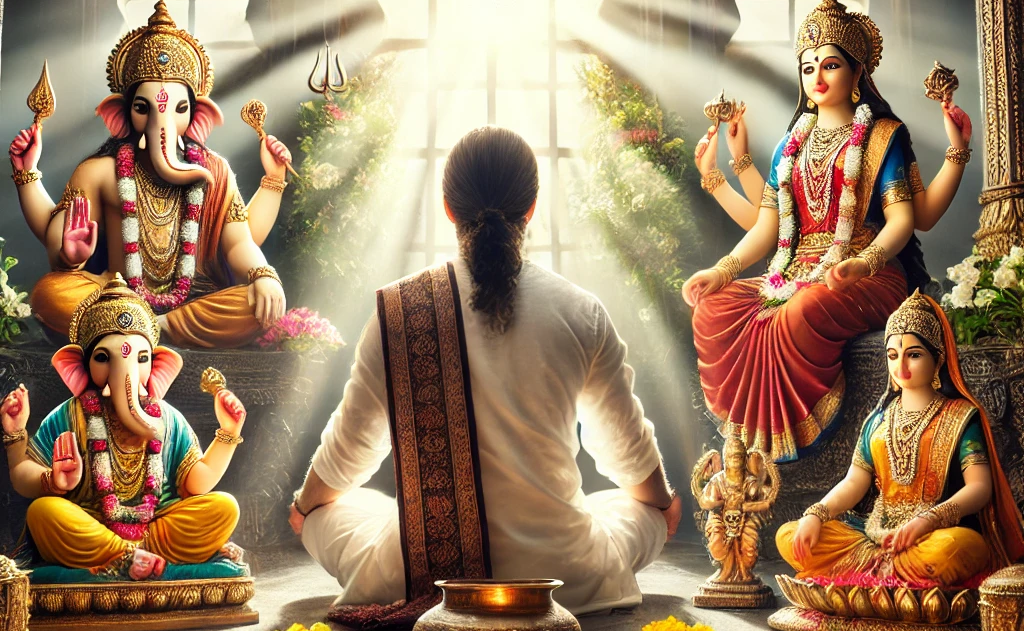
The popular belief is that Lord Ganesh visits earth during these 10 days to bless His devotees. Hence, for those who have an existing Ganesh statue in their house, this is the time to serve Him and take special care of Him, like a much-loved guest.
Community Benefits:
- Social Bonding: Bringing together people from different backgrounds
- Cultural Preservation: Maintaining traditional arts, crafts, and music
- Economic Activity: Supporting local artisans, vendors, and businesses
- Charitable Work: Many mandals organize social service activities
Challenges and Adaptations in Modern Times
Urban Celebrations
Metropolitan cities face unique challenges in organizing large-scale celebrations:
Urban Adaptations:
- Space Management: Efficient use of limited urban spaces for pandals
- Traffic Regulation: Managing processions in congested city areas
- Noise Control: Balancing celebration enthusiasm with urban noise norms
- Safety Measures: Ensuring crowd management and security
COVID-19 Impact and Recovery
The pandemic significantly affected celebration patterns, leading to innovative adaptations:
Post-Pandemic Changes:
- Smaller Gatherings: Emphasis on intimate family celebrations
- Digital Participation: Increased use of virtual platforms
- Health Protocols: Integration of safety measures in celebrations
- Community Resilience: Stronger community bonds formed through shared challenges
Future of Ganesh Chaturthi in Bharat
Emerging Trends
Over the years, the festival has also gained popularity in parts of northern India with more communities actively participating in celebrations.
Future Directions:
- Geographic Expansion: Growing popularity in previously less-active regions
- Youth Engagement: Increased participation of younger generations
- Cultural Innovation: New artistic expressions while maintaining traditional core
- Global Celebrations: Indian diaspora spreading the festival worldwide
Preservation and Evolution
The challenge lies in maintaining traditional authenticity while adapting to modern realities:
Balancing Act:
- Tradition vs. Modernity: Preserving ancient rituals while embracing beneficial innovations
- Local vs. Global: Maintaining regional uniqueness while fostering national unity
- Environment vs. Celebration: Ensuring ecological responsibility without diminishing spiritual fervor
- Individual vs. Community: Supporting both personal devotion and collective celebration
Conclusion: The Eternal Spirit of Celebration
Ganesh Chaturthi in Bharat represents far more than a religious festival – it embodies the nation’s cultural soul, community spirit, and collective devotion. From the grand spectacles of Maharashtra to the intimate family celebrations in Kerala, from the artistic expressions of Tamil Nadu to the emerging enthusiasm in Bengal, the festival showcases India’s incredible diversity while affirming its underlying unity.
Traditionally, Ganesh Chaturthi is celebrated with great enthusiasm in western and southern Indian states, especially Maharashtra, Karnataka, Goa and Telangana, but its influence continues to spread, making it truly a national celebration that brings out the best of Bharatiya culture.
As Lord Ganesha removes obstacles and bestows wisdom, the celebration of his birth continues to remove barriers between communities, regions, and generations, creating a unified Bharat that celebrates its diversity while moving forward together toward prosperity and spiritual fulfillment.
The festival’s enduring appeal lies in its ability to adapt while maintaining its core spiritual essence, ensuring that future generations will continue to experience the joy, devotion, and community spirit that make Ganesh Chaturthi one of Bharat’s most cherished celebrations.
Discover more about India’s rich festival traditions at BharatTone.com