












































































































































Pitru Paksha: Honoring Ancestors and the Spiritual Significance of Ancestral Rituals

Pitru Paksha is a sacred 16-lunar-day period in Hinduism dedicated to honoring ancestors (known as Pitris or Pitrus) through rituals, offerings, and prayers. It emphasizes the deep spiritual connection between the living and the departed, rooted in the belief that ancestors continue to influence the well-being of their descendants. Below, I’ll explain its timing for 2025, its importance in Hindu tradition, guidelines for performing Tarpan (a key offering ritual), and stories that illustrate the value of ancestral blessings.
Timing of Pitru Paksha in 2025
Pitru Paksha follows the lunisolar Hindu calendar and occurs during the Krishna Paksha (waning moon phase) of the month of Bhadrapada (or Ashvina in some North Indian traditions). It begins on the day of Purnima (full moon) Shraddha and ends on Sarvapitri Amavasya (new moon day), also called Mahalaya Amavasya. The dates shift annually on the Gregorian calendar because the lunar year is shorter than the solar year by about 11 days.
For 2025, Pitru Paksha starts on September 7 and ends on September 21, according to most panchangs (Hindu almanacs) for regions like New Delhi. However, there can be slight variations based on regional calculations or the exact timing of the tithi (lunar day). Some sources note potential confusion between September 7 and 8 as the start date, possibly due to the Purnima tithi overlapping days or differences in local sunrise timings. If you’re observing from September 8 as mentioned, this could align with specific panchangs where the effective start for rituals begins then. The period aligns roughly with the autumnal equinox, symbolizing the Sun’s shift from the northern to southern hemisphere, which is seen as a time when ancestral souls are more accessible on earth.
Importance in Hindu Tradition
In Hindu philosophy, Pitru Paksha holds profound spiritual and cultural significance as a time to repay “Pitru Rina” (debt to ancestors), one of the three key debts (along with those to gods and gurus) outlined in scriptures like the Garuda Purana and Markandeya Purana. It is believed that during this fortnight, the souls of ancestors descend from Pitriloka (the realm of the departed, ruled by Yama, the god of death) to receive offerings from their descendants. Performing rituals like Shraddha (memorial rites) and Tarpan is thought to provide nourishment and peace to these souls, helping them attain moksha (liberation) or relief from cycles of rebirth.
The period underscores themes of gratitude, lineage continuity, and karma. Blessings from satisfied ancestors are said to bring prosperity, health, longevity, knowledge, and the removal of obstacles (known as Pitru Dosha, or ancestral curses) in the performer’s life. Neglecting these rites can lead to unrest among ancestors, potentially causing misfortunes. Culturally, it’s a time for family reflection, often observed as inauspicious for new beginnings (e.g., no weddings or housewarmings), but auspicious for pilgrimages to holy sites like Gaya or Varanasi. In Bengal, Mahalaya signals the start of Durga Puja, blending ancestral homage with festive preparations.
Guidelines for Tarpan (Offerings)
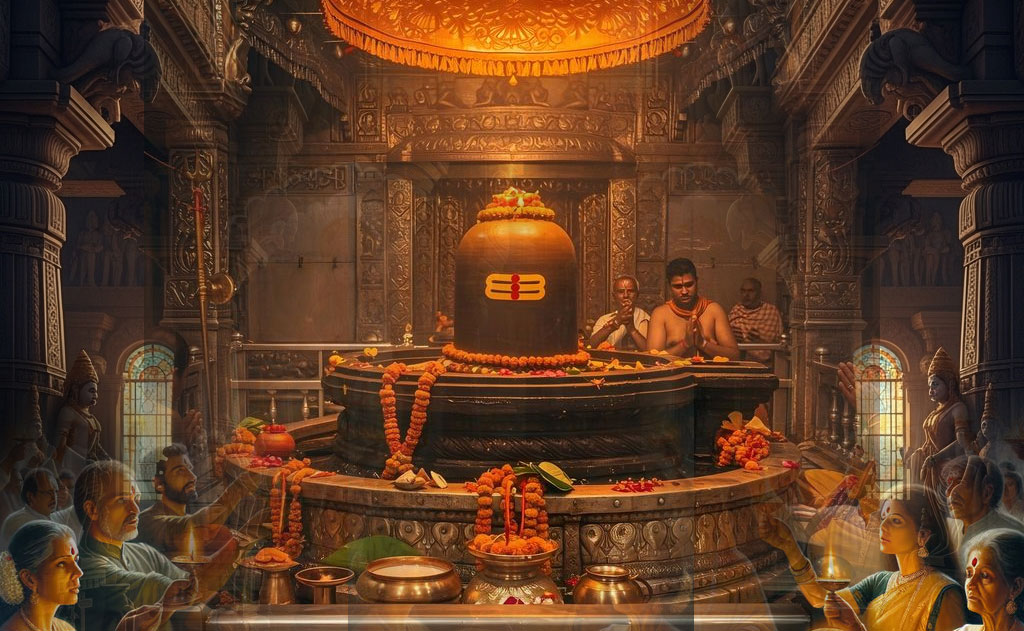
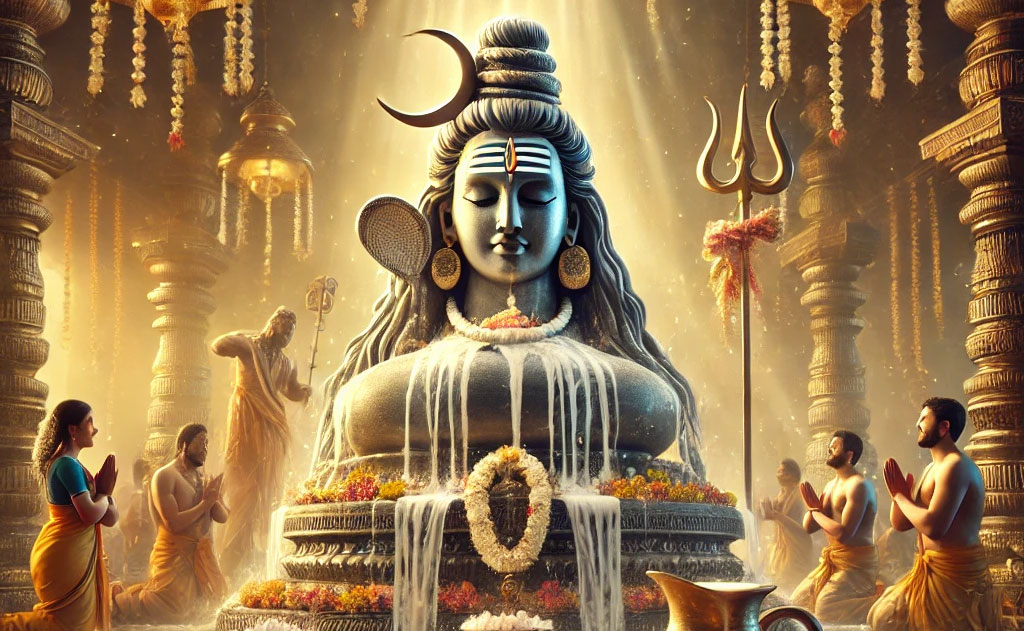
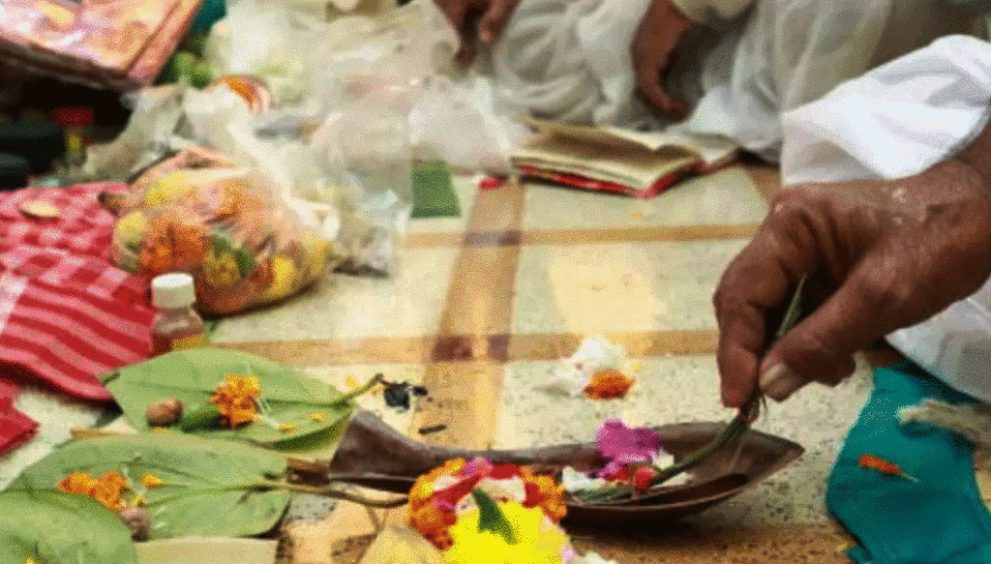
Tarpan is a core ritual during Pitru Paksha, involving the offering of water (mixed with sacred items) to ancestors to quench their spiritual thirst and grant them satisfaction. It is typically performed as part of Shraddha but can be done daily or on specific tithis. Here’s a step-by-step guide based on traditional practices; consult a priest or local customs for personalization, as variations exist by region and caste.
Preparation:
- Perform during the afternoon (Aparahna Kaal), ideally at noon.
- Choose a sacred spot: Preferably by a river, lake, or sea (stand in water up to the navel if possible); at home if not.
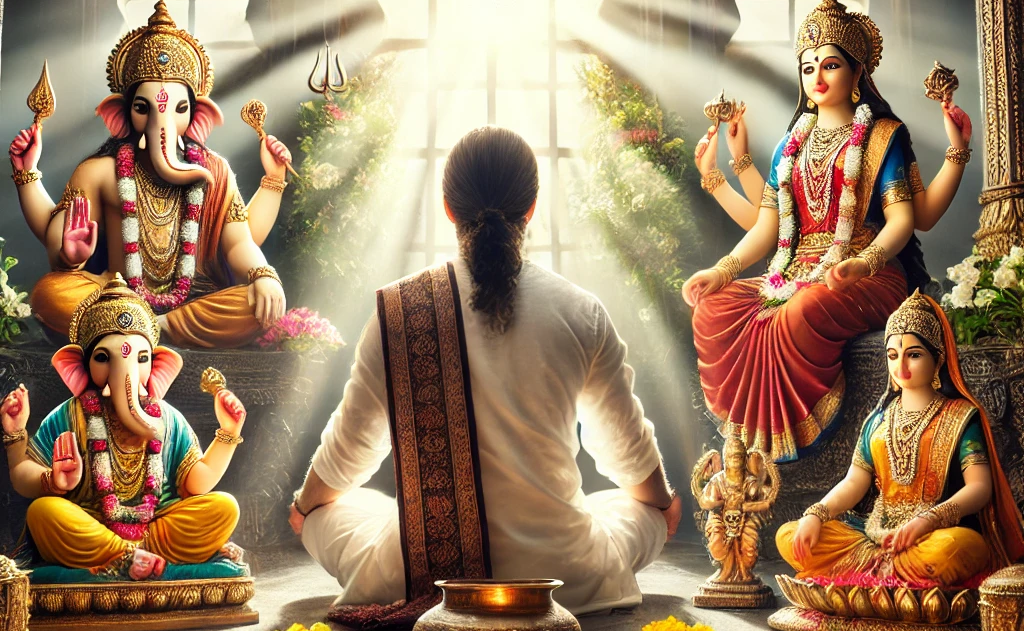
- The performer (usually the eldest son or male descendant) should bathe, wear clean clothes (like a dhoti), and a sacred thread (if applicable). Wear a ring made of kusha (darbha) grass on the ring finger.
- Gather items: Black sesame seeds (til), barley (jau), rice, kusha grass, water, ghee, flowers, and optional items like coins or akshata (uncooked rice). Use silver or copper vessels.
- Fast or eat sattvic (pure vegetarian) food; avoid tamasic items like non-veg, onion, garlic, alcohol, or gambling during the period.
Procedure:
- Face south (direction of Yama) and sit on a mat or kusha grass.
- Invoke deities: Begin with prayers to Lord Vishnu, Yama, and the ancestors. Chant mantras like “Om Pitru Devatabhyo Namah” or from the Pitru Stotra.
- Mix water with black sesame, barley, and kusha in your right hand (hold between thumb and forefinger).
- Offer Tarpan: Tilt your hand to pour the mixture slowly while reciting names of ancestors (e.g., father, grandfather, great-grandfather, and their gotras). Repeat for three generations on the paternal side; maternal if applicable on certain days. Use phrases like “Etad Tilodakam [Ancestor’s Name] Pitru Swadha Namah” (This sesame water is for [name], may it satisfy the ancestor).
- Perform Pinda Dana (optional but common): Offer rice balls (pindas) mixed with ghee and sesame, placing them on a banana leaf.
- Conclude: Feed Brahmins, a cow, dog, and crow (seen as messengers of ancestors). If a crow eats the offering, it’s a sign of acceptance.
- Special days: Do Tarpan on the tithi of the ancestor’s death; Sarvapitri Amavasya for all.
Do’s and Don’ts: Maintain celibacy and purity; invite Brahmins for meals. Avoid cutting hair/nails, buying new clothes, or starting new ventures. Women can participate if no male heir exists.
Stories Highlighting the Value of Ancestral Blessings
Hindu scriptures and epics feature narratives that underscore how ancestral rituals bring blessings, peace, and resolution. Here are two key examples:
- The Story of Karna (from the Mahabharata and Garuda Purana): Karna, the generous warrior, was known for his charity but focused on donating gold and jewels, neglecting food offerings to ancestors. After his death in the Kurukshetra war, he ascended to heaven but found all food turning to gold, leaving him hungry. Yama (or Indra) explained this was because he hadn’t honored his ancestors with sustenance. Karna was granted 15 days on earth—corresponding to Pitru Paksha—to perform Shraddha and Tarpan. Upon doing so, his ancestors were satisfied, and he received their blessings, allowing him to enjoy heaven fully. This tale illustrates how ancestral rituals ensure spiritual nourishment and blessings for prosperity.
- Bhishma’s Advice to Yudhishthira (from the Mahabharata): After the devastating Mahabharata war, Yudhishthira was overwhelmed by grief and the loss of kin. Bhishma, on his deathbed, instructed him on the importance of Shraddh during Pitru Paksha to honor the fallen ancestors. Yudhishthira performed the rituals, which pacified the souls of the departed warriors and brought him ancestral blessings for righteous rule, peace, and the restoration of dharma. This story highlights how such observances heal familial karma and grant guidance for a prosperous life.
These stories emphasize that ancestral blessings can mitigate suffering, foster family harmony, and lead to spiritual elevation.
Complete Devotional Story: The Legend of Karna’s Return (A Devotional Narrative for HinduTone.com)
Since www.hindutone.com focuses on Sanatana Dharma, temples, mantras, and festivals but lacks specific content on Pitru Paksha stories (as per available data), here’s a complete devotional retelling of Karna’s legend, adapted as a narrative suitable for such a platform. It captures the essence of devotion, karma, and ancestral reverence in Hinduism.
The Eternal Debt: Karna’s Journey Through Pitru Paksha
In the ancient times of the Mahabharata, there lived a warrior of unmatched valor and generosity—Karna, the son of the Sun God Surya. Born to Kunti but abandoned at birth, Karna rose through life’s trials, earning fame as the king of Anga and a loyal friend to Duryodhana. His life was a testament to dana (charity); he gave away gold, jewels, and even his divine armor to the needy, never turning away a seeker. Yet, in his boundless giving, Karna overlooked one sacred duty: the offerings of food and water to his ancestors.
When the great Kurukshetra war ended, Karna fell in battle, pierced by Arjuna’s arrows. His soul ascended to Swarga (heaven), where the gods welcomed him. But as he sat to partake in the celestial feast, a strange curse befell him—every morsel of food transformed into gleaming gold, inedible and cold. Hunger gnawed at his spirit, and Karna pleaded with Indra, the king of gods, “O Lord, why this torment? Have I not lived a life of dharma?”
Indra, with compassionate eyes, revealed the truth: “Noble Karna, your charity was unparalleled, but you donated only material wealth. You forgot the Pitrus, your ancestors, who thirst for simple offerings of anna (food) and jala (water). In heaven, you receive what you gave them—gold alone, devoid of sustenance.”
Tears welled in Karna’s eyes as he realized his oversight. Begging for redemption, he asked, “How may I atone?” Yama, the lord of death, appeared and granted mercy: “Return to Bhuloka (earth) for 16 days, the sacred Pitru Paksha. Perform Shraddha and Tarpan for your forebears. Offer them pindas of rice, sesame, and barley; pour libations of water with devotion. Only then shall your debt be repaid.”
Karna descended to earth during the waning moon of Bhadrapada. Disguised as a Brahmin, he wandered the banks of holy rivers, gathering black til (sesame seeds), jau (barley), and kusha grass. Facing south, he chanted ancient mantras: “Om Pitribhyah Swadha Namah—May this satisfy my fathers.” With each drop of water released from his palms, he named his ancestors—his unknown forefathers, his adoptive parents, and the lineage of Surya. He cooked simple meals of kheer and dal, placing them on banana leaves for crows, cows, and priests, symbols of the divine messengers.
As the days passed, Karna felt a profound peace. Visions appeared: his Pitrus, once wandering in unrest, now bathed in light, their faces radiant with blessings. “Son,” they whispered, “Your devotion has quenched our eternal thirst. May you receive wealth, victory, and moksha. Let your descendants forever honor this Paksha, for ancestral blessings are the root of all prosperity.”
On the final day, Sarvapitri Amavasya, Karna completed the rites and returned to heaven. Now, the feasts were bountiful, filled with the essence of his offerings. From that moment, Pitru Paksha became a beacon for all Hindus—a time when souls bridge worlds, and the living repay the debt of life through simple acts of love.
This legend teaches us: No matter our earthly achievements, without honoring our roots, fulfillment eludes us. In the spirit of Sanatana Dharma, let us observe Pitru Paksha with pure hearts, seeking the eternal blessings of our Pitrus. Om Shanti Shanti Shanti.
This story draws from scriptural sources to inspire devotion and can serve as content for platforms like HinduTone.com, promoting Hindu unity and spiritual wisdom. If you meant a specific story from the site, note that no such content was found; feel free to clarify
