




















































































































Top 10 Most Polluted Cities in India for H1 2025: Byrnihat Tops the List

India’s air quality crisis continues to make headlines, with a recent analysis by the Centre for Research on Energy and Clean Air (CREA) revealing the top 10 most polluted cities in India for the first half of 2025. Surprisingly, Byrnihat in Meghalaya has emerged as the most polluted city, surpassing Delhi, which has long been synonymous with poor air quality. This article dives into the details of the report, highlighting the cities grappling with severe air pollution and the factors contributing to this environmental challenge.
The Top 10 Most Polluted Cities in India (H1 2025)
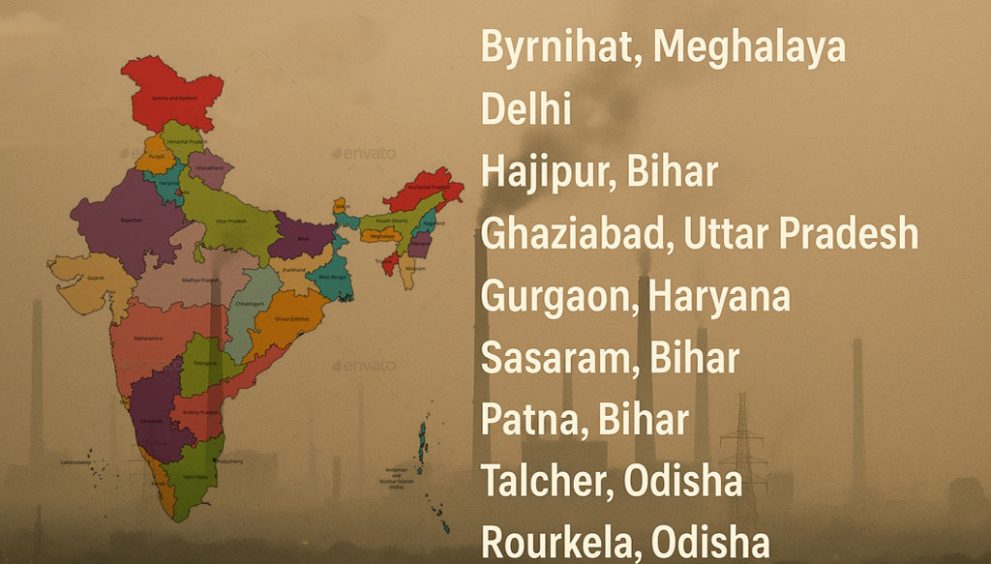
According to CREA’s analysis, the following cities recorded the highest PM2.5 levels from January to June 2025, making them the most polluted in India:
- Byrnihat, Meghalaya
- Delhi
- Hajipur, Bihar
- Ghaziabad, Uttar Pradesh
- Gurgaon, Haryana
- Sasaram, Bihar
- Patna, Bihar
- Talcher, Odisha
- Rourkela, Odisha
- Rajgir, Bihar
Source: Centre for Research on Energy and Clean Air (CREA)
Byrnihat: An Unexpected Leader in Pollution
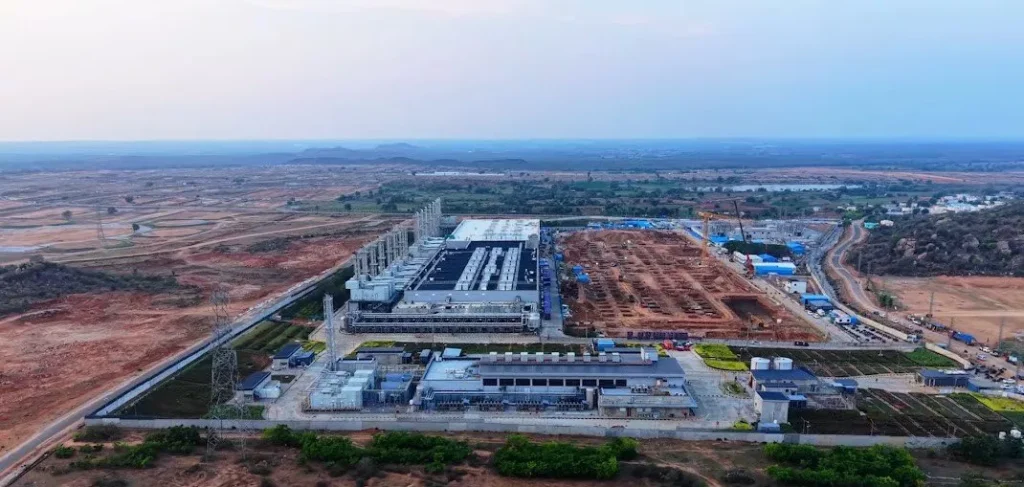
Byrnihat, a small town on the Assam-Meghalaya border, has shocked many by claiming the top spot as India’s most polluted city in H1 2025. Known for its lush greenery, Meghalaya is not typically associated with air pollution, making Byrnihat’s ranking a cause for concern. Industrial activities, unregulated emissions, and vehicular pollution are likely contributors to the town’s high PM2.5 levels.
Delhi’s Ongoing Air Quality Woes
Delhi, often dubbed the pollution capital of India, secured the second spot. Despite efforts to curb air pollution through measures like the Graded Response Action Plan (GRAP), the city continues to struggle with high PM2.5 concentrations, primarily due to vehicular emissions, construction dust, and stubble burning in neighboring states.
Bihar’s Pollution Crisis
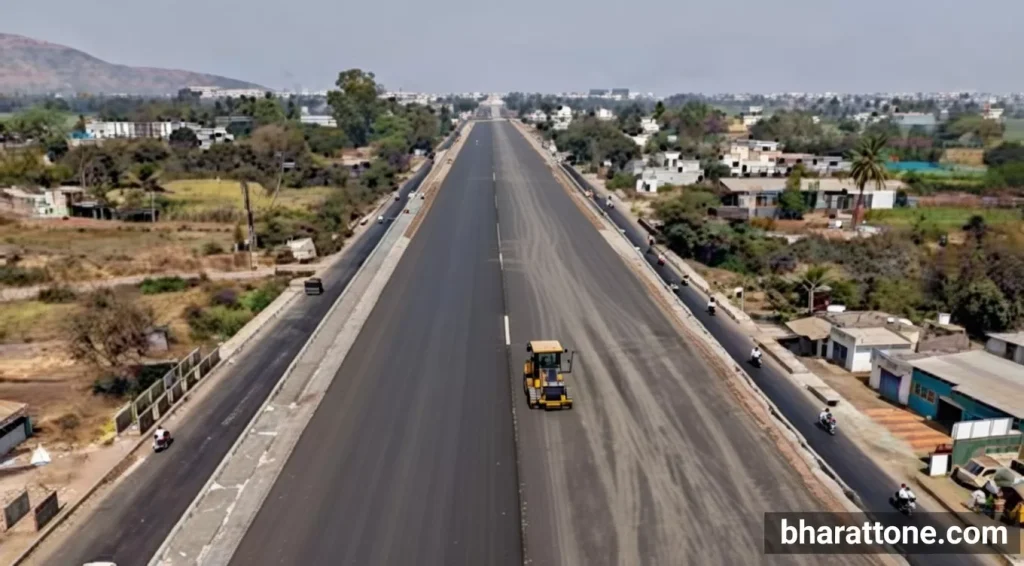
Bihar dominates the list with four cities—Hajipur, Sasaram, Patna, and Rajgir—among the top 10. This points to a regional air quality crisis, potentially driven by factors like construction dust, poor road conditions, and industrial emissions. A 2024 Harvard study published in Lancet Planetary Health also linked PM2.5 exposure to severe health risks in the region, underscoring the urgency of addressing this issue.
Other Key Cities
- Ghaziabad and Gurgaon: These urban centers in the National Capital Region (NCR) continue to face pollution challenges due to rapid urbanization, traffic congestion, and industrial activities.
- Talcher and Rourkela, Odisha: These industrial hubs are grappling with pollution from coal-based industries and mining activities.
- CREA’s Findings: The report highlights that 88% of Indian cities exceed the World Health Organization’s (WHO) PM2.5 standards, signaling a widespread air quality crisis.
Why Is Air Pollution a Concern?
PM2.5, or particulate matter smaller than 2.5 micrometers, poses significant health risks, including respiratory and cardiovascular diseases. Prolonged exposure can lead to severe health complications, particularly for children, the elderly, and those with pre-existing conditions. The presence of multiple Bihar cities in the top 10 suggests a need for targeted interventions in the region.
What Can Be Done?
To combat this growing crisis, experts recommend:
- Stricter Emission Norms: Enforcing stringent regulations on industrial and vehicular emissions.
- Green Urban Planning: Promoting sustainable urban development and green spaces.
- Public Awareness: Educating communities about the health risks of air pollution and encouraging eco-friendly practices.
- Regional Cooperation: States like Bihar, Uttar Pradesh, and Haryana must collaborate to address cross-border pollution sources.
Conclusion
The CREA report serves as a wake-up call for India to intensify its efforts to combat air pollution. With Byrnihat overtaking Delhi as the most polluted city, it’s clear that air quality issues extend beyond metropolitan areas. Addressing this crisis requires collective action from policymakers, industries, and citizens to ensure cleaner air for future generations.
Stay tuned to BharatTone for the latest updates on environmental issues and sustainable solutions across India.