











































































































































Bathukamma: Telangana’s Floral Festival Celebrating Feminine Energy

Festival Overview
Bathukamma, literally meaning “Mother Goddess Come Alive,” is Telangana’s most cherished floral festival that celebrates the divine feminine energy, nature’s abundance, and women’s strength. This vibrant nine-day celebration showcases the cultural identity of Telangana through colorful flower arrangements, melodious folk songs, and age-old traditions that honor Goddess Gauri.
Festival Dates 2025
Bathukamma 2025 will be celebrated from September 21-30, 2025 (starting on Sunday), following the Telugu lunar calendar. The festival begins on Bhadrapada Amavasya (Mahalaya Amavasya) and culminates on the ninth day with “Saddula Bathukamma” or “Pedda Bathukamma,” which falls two days before Dussehra.
Nine Days of Celebration:
- Day 1 (Sept 21): Engili Puvvula Bathukamma
- Day 2 (Sept 22): Atkula Bathukamma
- Day 3 (Sept 23): Muddapappu Bathukamma
- Day 4 (Sept 24): Nanabiyyam Bathukamma
- Day 5 (Sept 25): Atla Bathukamma
- Day 6 (Sept 26): Aligina Bathukamma
- Day 7 (Sept 27): Vepakayala Bathukamma
- Day 8 (Sept 28): Vennamuddala Bathukamma
- Day 9 (Sept 30): Saddula Bathukamma (Grand Finale)
The Sacred Story of Bathukamma
The Legend of Goddess Gauri
The most revered legend connects Bathukamma to Goddess Gauri, a benevolent incarnation of Goddess Parvati. According to ancient tales, Goddess Gauri underwent severe penance (tapas) for the welfare of humanity. After completing her rigorous spiritual practices, she emerged triumphant, symbolizing the victory of endurance, resilience, and feminine strength.
The festival commemorates this divine resurgence, celebrating the goddess’s return to life after her transformative penance. Women invoke her blessings for prosperity, fertility, and protection of their families and communities.
The Durga Connection
Another significant legend links Bathukamma to Goddess Durga’s victory over the demon Mahishasura. After nine days of fierce battle, Goddess Durga defeated the demon and fell into deep sleep due to exhaustion. The devotees prayed continuously for her awakening, and she arose on the tenth day, which is now celebrated as Vijayadashami.
The Chola Dynasty Tale
Historical legends speak of a Chola king who prayed to Goddess Gauri during a time of great distress in his kingdom. The goddess appeared to him in the form of a beautiful flower stack, blessing him with victory and prosperity. This divine intervention established the tradition of creating Bathukamma arrangements.
Traditional Significance
Bathukamma represents multiple layers of cultural and spiritual meaning:
- Celebration of Nature: The festival coincides with the post-monsoon season when nature is in full bloom
- Feminine Power: It honors the strength, creativity, and nurturing qualities of women
- Harvest Gratitude: Communities express gratitude for abundant crops and pray for future prosperity
- Seasonal Transition: Marks the beginning of Sharath Ruthu (autumn season)
- Cultural Unity: Brings women together across social boundaries in celebration
Step-by-Step Guide to Making Bathukamma
Materials Needed
Essential Flowers:
- Tangedu (Cassia auriculata) – The primary flower
- Gunugu (Celosia) – For vibrant colors
- Chamanti (Chrysanthemum) – For fragrance
- Katla (Barleria) – For texture
- Tulasi (Holy Basil) – For sanctity
- Marigold – For brightness
- Lotus petals – For purity
- Rose petals – For devotion
Supporting Materials:
- Large brass plate (Tambalam)
- Small earthen lamp (Diya)
- Turmeric powder
- Kumkum (Vermillion)
- Camphor
- Incense sticks
- Rice grains
- Small fruits (seasonal)
Step-by-Step Construction Process
Step 1: Preparation (Early Morning)
- Flower Collection: Begin collecting flowers at dawn when they’re fresh with morning dew
- Purification: Take a ritual bath and wear clean clothes, preferably traditional attire
- Workspace Setup: Arrange a clean area in the courtyard or near the tulasi plant
- Plate Preparation: Clean the brass plate and sprinkle turmeric and kumkum
Step 2: Base Creation
- Foundation Layer: Place the brass plate as the base
- Central Support: Create a small mound of wet clay or place a kalash (water pot) in the center
- Sacred Circle: Draw concentric circles with rice flour around the base
- Lamp Placement: Position the earthen lamp at the center
Step 3: Flower Arrangement (Bottom to Top)
Layer 1 – Foundation Ring
- Use large Tangedu flowers to create the outermost ring
- Arrange them in overlapping circular patterns
- Ensure flowers face upward with stems hidden
Layer 2 – Color Ring
- Add bright Gunugu flowers in the second ring
- Alternate colors (red, yellow, orange) for visual appeal
- Maintain circular symmetry
Layer 3 – Fragrance Ring
- Place Chamanti flowers in the third ring
- These provide the distinctive fragrance
- Ensure even spacing between flowers
Layer 4 – Texture Ring
- Add Katla flowers for varied texture
- Fill any gaps with smaller blooms
- Maintain the ascending cone shape
Layer 5 – Sacred Ring
- Place Tulasi leaves and small flowers
- This ring carries spiritual significance
- Handle with special reverence
Layer 6 – Crown
- Top with lotus petals or single large flower
- This represents the goddess’s divine presence
- Ensure it’s perfectly centered
Step 4: Final Decoration
- Petal Shower: Sprinkle rose petals around the arrangement
- Sacred Symbols: Place small fruits at the base
- Divine Blessing: Light the central lamp
- Aromatic Touch: Light incense sticks around the Bathukamma
Daily Variations
Each day requires specific flowers and arrangements:
- Engili Puvvula: Made with sesame flowers and oil
- Atkula: Uses rice flakes in decoration
- Muddapappu: Incorporates lentil preparations
- Nanabiyyam: Features nine varieties of grains
- Atla: Made without any non-vegetarian associations
- Aligina: Prepared after purification rituals
- Vepakayala: Includes neem flowers
- Vennamuddala: Uses butter-like white flowers
- Saddula: The grandest arrangement with all available flowers
Ritual Process and Ceremonies
Morning Rituals
- Purification: Women take ritual baths and wear traditional attire
- Flower Collection: Fresh flowers are collected in decorated baskets
- Arrangement: Bathukamma is created with devotion and precision
- Worship: Prayers are offered to Goddess Gauri with traditional mantras
- Aarti: Camphor is lit and ceremonial worship is performed
Evening Celebrations
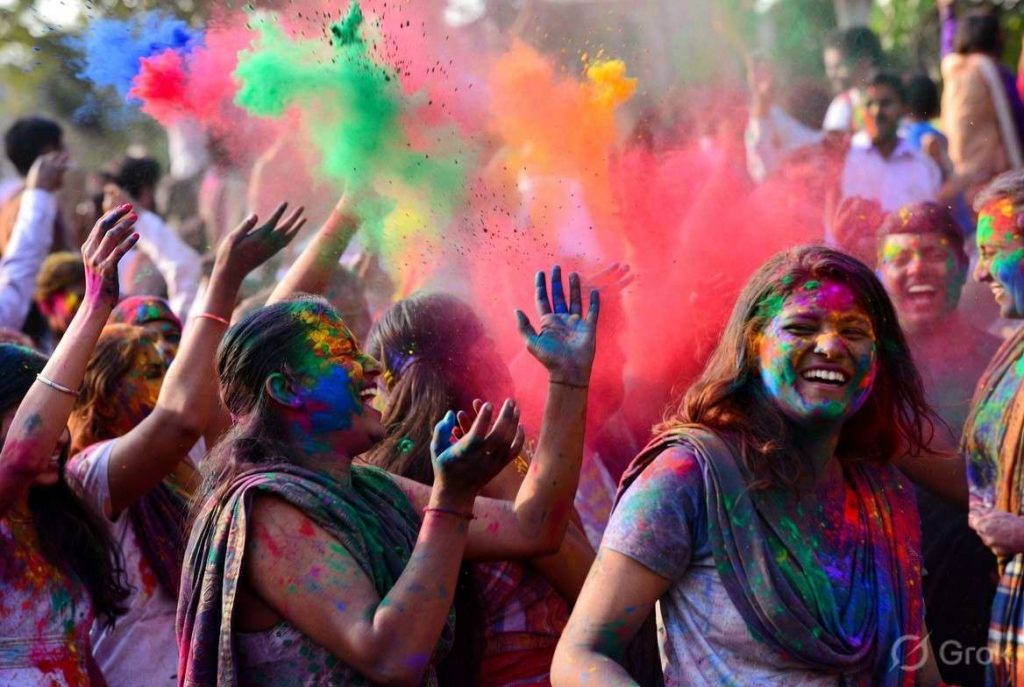
- Community Gathering: Women gather in courtyards, temples, or lakes
- Circle Formation: They form concentric circles around the Bathukamma
- Folk Songs: Traditional Bathukamma songs are sung with rhythmic clapping
- Dance Movements: Graceful movements accompany the singing
- Water Immersion: On most days, Bathukamma is gently immersed in water bodies
- Prasadam Distribution: Sacred food offerings are shared among participants
Traditional Songs and Chants
Popular Bathukamma Song Chorus: “Bathukamma Bathukamma Uyyalo Bangaru Bathukamma Uyyalo Bangari Bathukamma Uyyalo Raandi Koothuro Uyyalo”
The songs narrate stories of goddess worship, seasonal changes, agricultural life, and women’s aspirations, passed down through generations.
Regional and Cultural Significance
Economic Empowerment
- Creates seasonal employment for flower vendors
- Supports local artisans and traditional crafts
- Boosts tourism and cultural economy
Environmental Harmony
- Promotes use of local, biodegradable materials
- Encourages flower cultivation and gardening
- Maintains ecological balance through seasonal celebrations
Social Integration
- Brings together women from all backgrounds
- Preserves traditional knowledge and skills
- Strengthens community bonds and cultural identity
Educational Value
- Teaches younger generations about heritage
- Preserves folk music and dance traditions
- Maintains connection with agricultural cycles
Modern Celebrations and Adaptations
Urban Celebrations
- Apartment complexes organize community Bathukamma events
- Cultural organizations conduct workshops and competitions
- Social media campaigns promote awareness and participation
Global Reach
- Telugu diaspora celebrates Bathukamma worldwide
- Cultural centers organize events in major international cities
- Online platforms facilitate virtual participation
Government Support
- Telangana government declares official holidays
- State tourism promotes Bathukamma as cultural attraction
- Educational institutions include it in cultural curriculum
Conclusion: The Eternal Celebration of Life
Bathukamma stands as Telangana’s most magnificent tribute to the divine feminine, celebrating the cyclical nature of life, the beauty of creation, and the strength of womanhood. Through its vibrant flowers, melodious songs, and ancient rituals, this festival continues to nurture the cultural soul of Telangana while adapting to contemporary times.
The festival embodies the eternal truth that life, like the goddess herself, experiences cycles of challenge and triumph, dormancy and awakening, individual struggle and collective celebration. As women gather around their colorful Bathukamma arrangements, they participate in an unbroken chain of tradition that connects them to their ancestors, their land, and the divine feminine energy that sustains all life.
In honoring Goddess Gauri through Bathukamma, devotees celebrate not just a religious festival, but a way of life that recognizes the sacred in the natural world, the divine in the feminine, and the eternal in the temporary beauty of flowers that bloom, offer their fragrance, and return to the earth, only to bloom again in endless cycles of renewal and celebration.