

























































































































The Great Power Shift: How Russia, China, and India Are Challenging US Dominance in Business, Defense, and Technology

Published on BharatTone.com – Your Source for Global Affairs Analysis
The global balance of power is experiencing a seismic shift as emerging superpowers Russia, China, and India increasingly challenge the United States’ long-held dominance across critical sectors. From cutting-edge technology innovations to defense capabilities and economic influence, these nations are reshaping the international landscape in ways not seen since the post-World War II era.
The Rise of the Eastern Powerhouses
For decades, the United States has maintained its position as the world’s preeminent superpower. However, the 21st century has witnessed the emergence of formidable challengers who are redefining global competition across multiple fronts.
China: The Economic and Technological Giant
China’s remarkable transformation from a developing nation to the world’s second-largest economy represents one of history’s most dramatic power shifts. With a GDP exceeding $17 trillion, China has become America’s primary economic rival.
Business and Economic Influence:
- China dominates global manufacturing, producing nearly 30% of the world’s goods
- The Belt and Road Initiative spans over 140 countries, creating unprecedented trade networks
- Chinese companies like Alibaba, Tencent, and ByteDance compete directly with American tech giants
- China holds significant influence in global supply chains, particularly in electronics and rare earth minerals
Technology Leadership:
- 5G technology deployment leads the world through companies like Huawei and ZTE
- Artificial intelligence research and implementation rival Silicon Valley innovations
- Space technology achievements include successful Mars rover missions and space station development
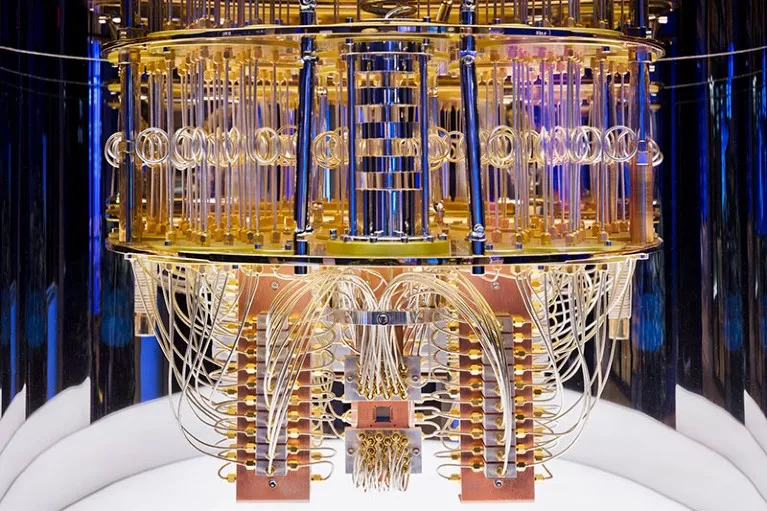
- Quantum computing breakthroughs position China as a future tech leader
Defense Capabilities:
- Military modernization has produced advanced fighter jets, naval vessels, and missile systems
- Defense spending exceeds $250 billion annually, second only to the United States
- Cyber warfare capabilities pose significant challenges to Western defense systems
India: The Emerging Democratic Powerhouse
India’s rise as a global force combines demographic advantages with technological prowess and strategic positioning. As the world’s largest democracy with over 1.4 billion people, India presents a unique challenge to US influence.
Economic Growth and Business Innovation:
- India’s IT services sector dominates global outsourcing markets
- Companies like Infosys, TCS, and Wipro serve Fortune 500 clients worldwide
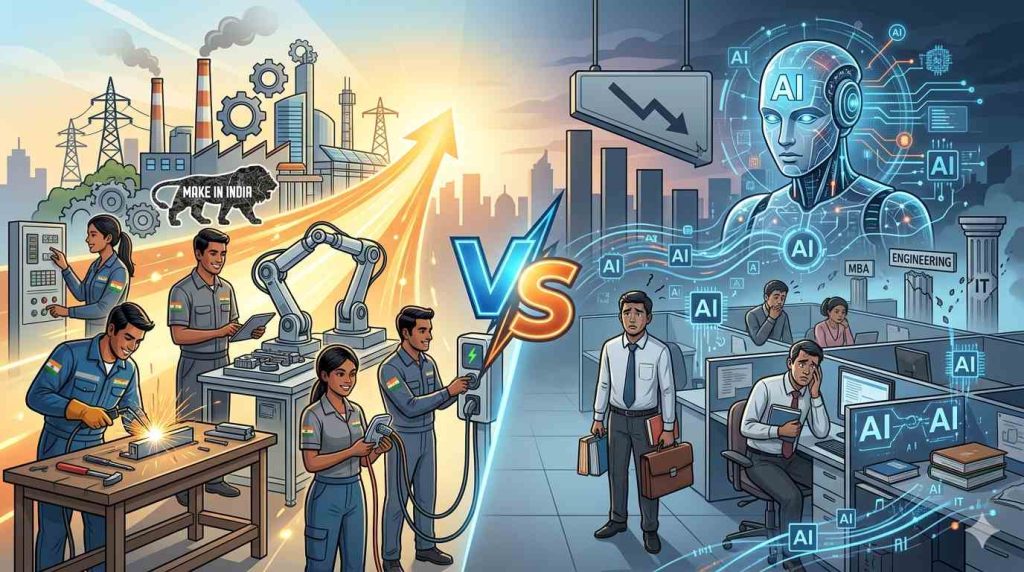
- The “Make in India” initiative attracts manufacturing investments away from traditional US allies
- India’s digital payment systems and fintech innovations lead global adoption rates
Technology Sector Achievements:
- Bangalore and Hyderabad compete with Silicon Valley as global tech hubs
- Space program achievements include cost-effective Mars missions and satellite launches
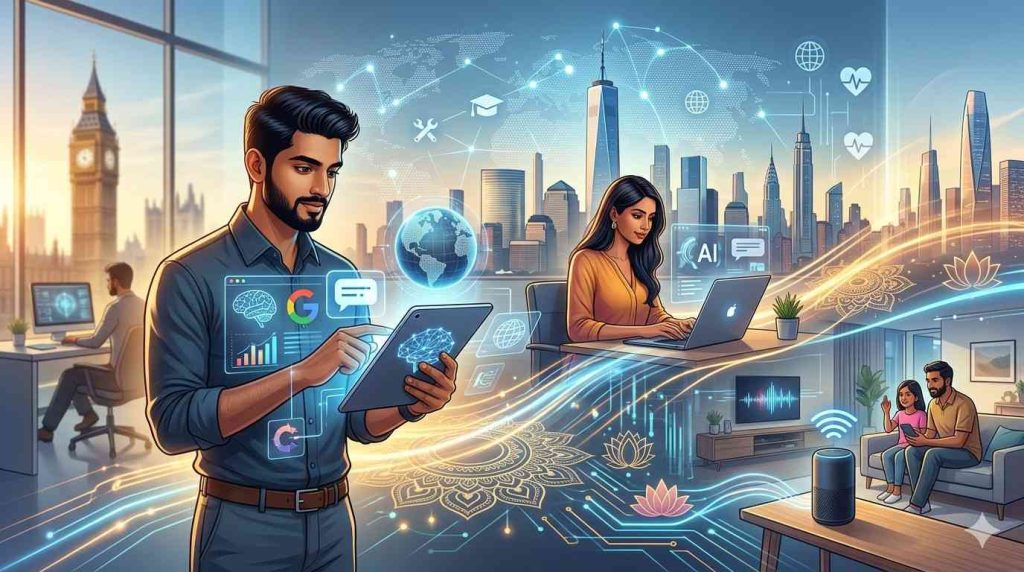
- Indian engineers and entrepreneurs lead major US tech companies while building domestic capabilities
- Pharmaceutical industry supplies generic drugs globally, reducing dependence on Western manufacturers
Strategic Defense Positioning:
- India’s defense partnerships diversify beyond traditional US suppliers
- Indigenous defense manufacturing reduces reliance on American military equipment
- Strategic location provides crucial influence over Indo-Pacific trade routes
- Nuclear capabilities maintain regional deterrence balance
Russia: The Resource and Military Power
Despite economic sanctions and geopolitical tensions, Russia continues to challenge US influence through energy dominance, military capabilities, and strategic partnerships.
Energy and Resource Dominance:
- Controls significant portions of global oil and natural gas supplies
- Energy partnerships with China and India reduce Western energy influence
- Nuclear technology exports compete with American nuclear industry
- Rare metals and minerals essential for technology manufacturing
Military and Defense Technology:
- Advanced missile systems and nuclear capabilities maintain strategic parity
- Defense exports to multiple countries reduce US arms market share
- Cyber warfare capabilities challenge Western digital infrastructure
- Space technology and satellite systems provide independent capabilities
Strategic Partnerships:
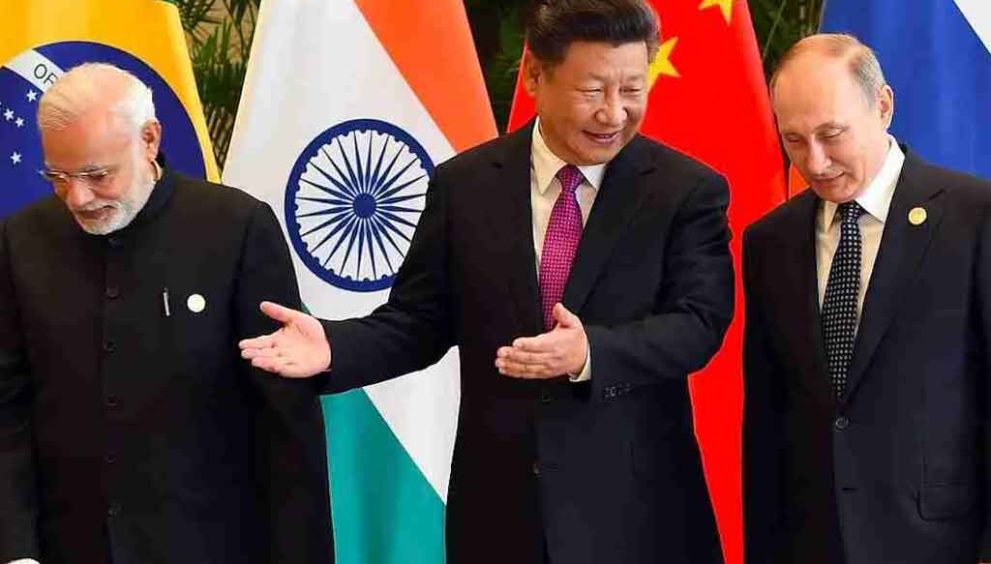
- BRICS alliance with Brazil, India, China, and South Africa creates alternative power bloc
- Shanghai Cooperation Organization offers non-Western security framework
- Energy partnerships with major economies reduce US economic leverage
Implications for Global Business and Technology
The rise of these three powers creates profound implications for international business, technology development, and global governance structures.
Technology Innovation and Competition
The monopoly of Silicon Valley faces unprecedented challenges as these nations develop independent technological capabilities. China’s advances in artificial intelligence, India’s software development expertise, and Russia’s cybersecurity technologies create alternative innovation centers.
Supply Chain Diversification
Global businesses increasingly diversify supply chains away from single-country dependence, creating opportunities for Russia, China, and India to capture market share previously dominated by US companies.
Financial System Alternatives
Development of alternative payment systems, currencies, and financial institutions challenges the dollar-dominated global financial system that has long provided US economic leverage.
The Multipolar World Order
The emergence of Russia, China, and India as serious challengers to US dominance signals a transition toward a multipolar world order. This shift presents both opportunities and challenges for global stability, economic growth, and technological advancement.
Economic Implications
- Increased competition drives innovation and efficiency
- Alternative trade partnerships provide options for developing nations
- Regional economic blocs reduce dependence on US-dominated institutions
Technological Development
- Multiple centers of innovation accelerate global technological progress
- Competition in critical technologies like AI, quantum computing, and space exploration benefits humanity
- Diverse approaches to technology governance provide alternative models
Geopolitical Balance
- Multipolar competition creates more complex but potentially more stable international relations
- Regional powers gain greater autonomy in their spheres of influence
- International institutions must adapt to accommodate multiple power centers
Looking Ahead: The Future of Global Power
The challenge to US dominance by Russia, China, and India represents more than temporary competition – it signals a fundamental restructuring of global power relations. Success in this new environment requires adaptation, innovation, and strategic thinking from all major powers.
As these nations continue their rise, the world watches to see how this great power competition will shape the future of international business, technology development, and global governance. The outcome will determine whether the 21st century belongs to a single superpower or a collection of competing powers working within a new multipolar framework.
The stakes have never been higher, and the implications extend far beyond national boundaries to affect every aspect of global civilization. Understanding these dynamics becomes crucial for businesses, governments, and individuals navigating an increasingly complex international landscape.
Stay updated with the latest developments in global affairs and emerging power dynamics at BharatTone.com. Follow us for in-depth analysis of how these shifts affect India’s position in the global order