










































































































































Onam: Kerala’s Harvest Festival and the Tale of King Mahabali


Published on HinduTone.com | September 4, 2025
As the monsoon clouds part to reveal golden sunlight across Kerala’s verdant landscape, the air fills with anticipation for one of India’s most beloved festivals – Onam. This ten-day celebration, which extends into early September 2025, transforms the entire state into a canvas of colors, aromas, and joy as Malayalis worldwide come together to honor their cultural heritage and welcome the mythical return of the benevolent King Mahabali.
The Legend of King Mahabali: A Tale of Devotion and Sacrifice
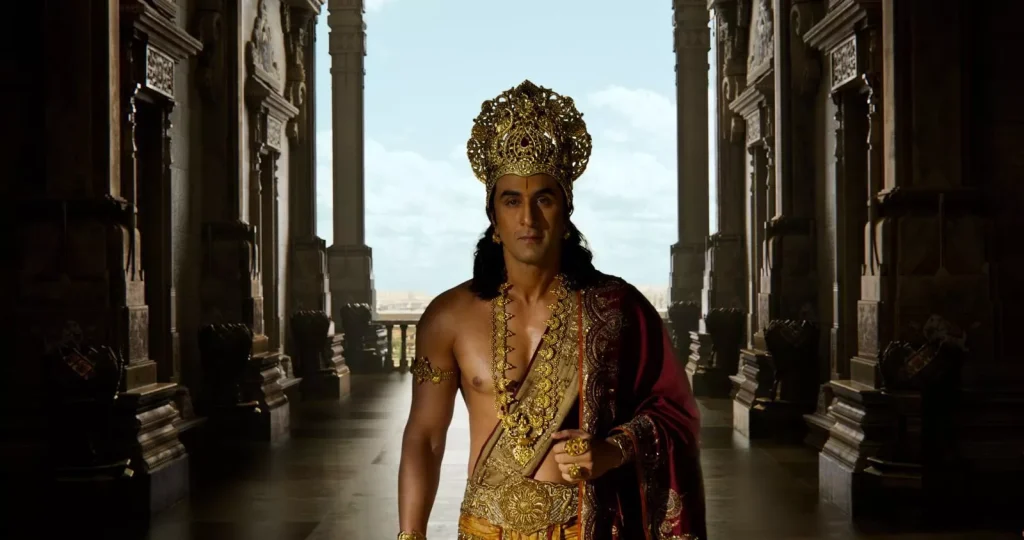
At the heart of Onam lies the timeless story of King Mahabali, a ruler so righteous and beloved that his reign became synonymous with Kerala’s golden age. According to Hindu mythology, Mahabali was an Asura king whose devotion to his subjects and unwavering dharma made his kingdom a paradise on earth. Under his rule, there was no poverty, crime, or inequality – every citizen lived in prosperity and happiness.
However, the gods grew concerned about Mahabali’s growing power and influence. Lord Vishnu, in his fifth avatar as Vamana (a dwarf Brahmin), approached the generous king during a grand sacrifice. When Mahabali offered to grant any wish, Vamana requested land that could be covered in three steps. The noble king agreed, not knowing that Vamana would expand to cosmic proportions.
In his first step, Vamana covered the earth; in his second, the heavens. When asked where to place the third step, the devoted Mahabali offered his own head, demonstrating his ultimate sacrifice for his word. Moved by this gesture, Vishnu granted Mahabali the boon to visit his beloved subjects once a year – and that annual homecoming is celebrated as Onam.
The Ten Days of Onam: A Festival Unfolding
Onam is not merely a single day of celebration but a magnificent ten-day festival, each day carrying its own significance and traditions:
Atham (Day 1): The festival begins with the first sighting of the Atham star. Families start creating small Pookalam (flower carpets) and clean their homes in preparation for Mahabali’s arrival.
Chithira (Day 2): The Pookalam expands with additional layers of flowers, and traditional shopping begins for new clothes and festival essentials.
Chodhi (Day 3): Cultural programs commence in communities, with classical music and dance performances marking the festival’s artistic spirit.
Vishakam (Day 4): The grand preparations intensify as families begin detailed planning for the Onam Sadya feast and traditional games.
Anizham (Day 5): Snake boat races (Vallamkali) begin in various locations, showcasing Kerala’s maritime heritage through thrilling competitions.
Thriketa (Day 6): Families visit temples and offer special prayers, while the Pookalam reaches impressive dimensions with intricate designs.
Moolam (Day 7): Traditional art forms like Kathakali and Theyyam performances captivate audiences across the state.
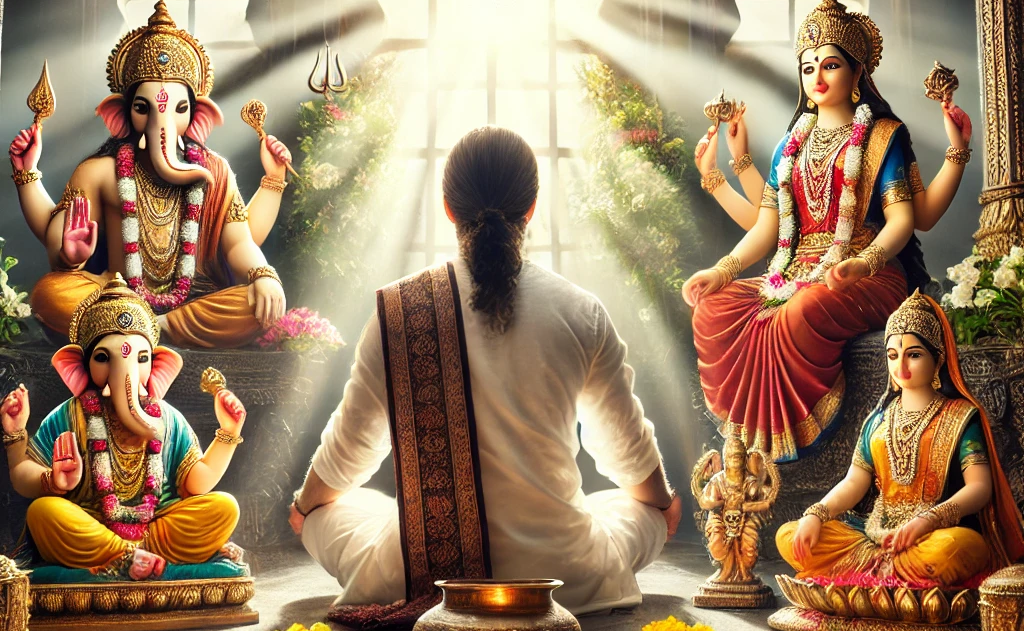
Pooradam (Day 8): Clay figurines of Mahabali and Vamana are installed in homes, and the anticipation for Thiruvonam reaches its peak.
Uthradom (Day 9): The penultimate day involves final preparations for the grand feast, with extensive cooking and decoration of homes.
Thiruvonam (Day 10): The festival culminates with the most elaborate Pookalam, sumptuous Sadya feast, and joyous celebrations as families believe King Mahabali visits every home.
Pookalam: Nature’s Art Carpet
The Pookalam represents one of Onam’s most enchanting traditions – intricate flower carpets that welcome King Mahabali with nature’s finest offerings. These circular designs begin modestly on Atham and grow more elaborate each day, reaching spectacular proportions by Thiruvonam.
Traditional Pookalam uses native flowers like thumba (Ceylon leadwort), chemparathi (hibiscus), mukkutti (little tree plant), and chethi (flame of the forest). The designs often incorporate geometric patterns, religious symbols, and artistic motifs that reflect Kerala’s rich cultural heritage. Modern celebrations sometimes include rangoli powder and artificial flowers, though purists prefer the traditional all-natural approach.
The creation of Pookalam is typically a family affair, with children learning the art from their elders, ensuring this beautiful tradition passes through generations. Each family takes pride in their unique designs, often competing informally with neighbors to create the most stunning floral display.
Onam Sadya: A Feast Fit for Kings
No Onam celebration is complete without the legendary Sadya – arguably one of India’s most elaborate vegetarian feasts. Served traditionally on banana leaves, this meal comprises 26-28 dishes that showcase Kerala’s culinary diversity and agricultural abundance.
The Sadya follows a specific arrangement on the banana leaf: rice occupies the center, with various curries, pickles, and accompaniments placed in designated positions around it. Essential dishes include sambar (lentil curry), avial (mixed vegetables in coconut), thoran (stir-fried vegetables with coconut), pachadi (yogurt-based curry), and the sweet payasam (rice pudding) that concludes the meal.
The feast begins with a ritual sprinkling of rice and curry, followed by a sequential consumption pattern that balances flavors, textures, and nutritional elements. The communal aspect of sharing Sadya strengthens family bonds and reinforces the festival’s theme of unity and prosperity.
Creating Your Traditional Onam Celebration at Home
Celebrating Onam at home, whether in Kerala or anywhere in the world, can be deeply meaningful with proper planning and attention to traditional elements:
Planning Your Home Onam (2-3 weeks before)
Gather Materials: Source traditional flowers from local Indian grocery stores or gardens. If unavailable, substitute with marigolds, chrysanthemums, and roses in yellow, orange, and white.
Menu Planning: Begin planning your Sadya menu based on your cooking skills and available ingredients. Start with 8-10 essential dishes if attempting your first homemade Sadya.
Cultural Elements: Arrange for traditional music, perhaps download Malayalam folk songs and classical pieces that enhance the festive atmosphere.
Creating the Perfect Pookalam
Design Basics: Start with a simple circular pattern using thumba or similar small white flowers for the center, expanding outward with colorful petals arranged in geometric patterns.
Daily Expansion: If celebrating multiple days, add one new ring each day, incorporating different flowers and colors while maintaining symmetrical beauty.
Involvement: Encourage all family members, especially children, to participate in flower collection and arrangement, making it a bonding experience.
Preparing an Authentic Onam Sadya
Essential Dishes to Master:
- Rice: Use high-quality basmati or traditional Kerala rice varieties
- Sambar: Lentil-based curry with vegetables and tamarind
- Avial: Mixed vegetables cooked with coconut and yogurt
- Thoran: Cabbage or beans stir-fried with grated coconut
- Pachadi: Pineapple or banana curry with yogurt and jaggery
- Payasam: Sweet rice pudding with coconut milk and jaggery
Preparation Timeline: Begin cooking 3-4 hours before serving, starting with time-intensive dishes like sambar and avial.
Presentation: Invest in fresh banana leaves (available at Indian stores) or use large plantain leaves as authentic serving plates.
Traditional Activities and Entertainment
Pulikali Preparation: If you have artistic family members, consider painting faces in tiger patterns for the traditional tiger dance, even if performed informally at home.
Traditional Games: Organize simple games like tug-of-war or musical chairs with Malayalam music to engage younger family members.
Storytelling: Share the legend of King Mahabali with children, perhaps through picture books or simple theatrical performances.
Classical Arts: If anyone in the family has training in classical dance or music, incorporate brief performances to honor Kerala’s artistic traditions.
Modern Adaptations for Contemporary Homes
Space Considerations: For apartment dwellers, create smaller Pookalam on plates or trays rather than floor designs.
Dietary Modifications: Adapt traditional recipes for dietary restrictions while maintaining authentic flavors – use coconut oil alternatives for those with allergies, or create smaller portions for nuclear families.
Technology Integration: Video call extended family during the celebrations, share Pookalam photos on social media to connect with the broader Malayalam community worldwide.
Community Involvement: Coordinate with local Malayalam associations or cultural centers to participate in group celebrations while maintaining your home traditions.
Onam’s Enduring Message
Beyond its religious and cultural significance, Onam embodies timeless values that resonate across communities. The festival celebrates the triumph of righteousness, the importance of keeping one’s word, and the beauty of selfless leadership. King Mahabali’s story reminds us that true greatness lies in serving others and that even divine powers respect those who honor their commitments.
In our modern world, Onam’s emphasis on equality, prosperity for all, and harmony with nature offers valuable lessons. The festival’s focus on vegetarian feasting promotes environmental consciousness, while its community-centered celebrations strengthen social bonds often weakened by contemporary urban living.
As families gather around banana leaves laden with nature’s bounty, as children learn to arrange flowers in age-old patterns, and as communities come together in joyous celebration, Onam continues to weave its magic across generations. Whether celebrated in Kerala’s lush backwaters or in distant lands where Malayalam hearts beat with homesickness, this harvest festival remains a powerful reminder of our connections to heritage, community, and the eternal cycle of giving and receiving.
The ten days of Onam, extending into September 2025, offer each family an opportunity to pause, reflect, and celebrate the abundance in their lives while welcoming the spirit of King Mahabali’s benevolent rule into their homes. In creating Pookalam, preparing Sadya, and sharing stories, we participate in an unbroken chain of tradition that connects us to our ancestors and ensures these beautiful customs continue to flourish for future generations.
Experience the joy of Onam in your own home this year, and may King Mahabali’s blessings of prosperity, harmony, and happiness grace your family throughout the festival and beyond.

