


















































































































































Delhi’s Toxic Air Cuts Life Expectancy by 12 Years: EPIC Report Highlights Alarming Crisis

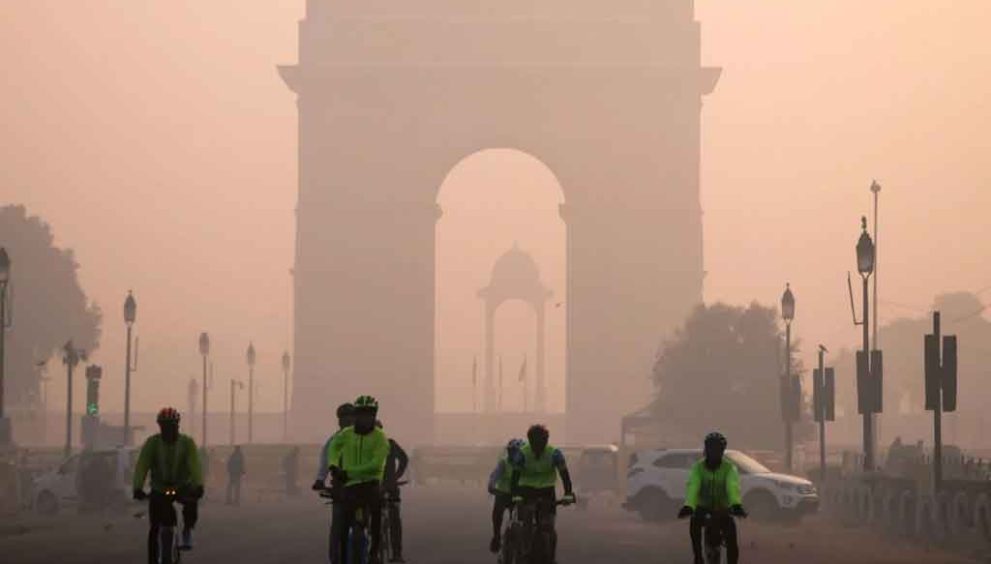
Delhi, India’s bustling capital, is grappling with a severe public health crisis as chronic air pollution threatens to reduce the life expectancy of its 18 million residents by nearly 12 years, according to the Air Quality Life Index (AQLI) 2024 report by the Energy Policy Institute at the University of Chicago (EPIC). The report, which underscores Delhi’s status as the world’s most polluted megacity, paints a grim picture of the health impacts of particulate matter (PM2.5) pollution, calling for urgent action to address this silent killer. This article explores the findings, their implications, and the steps needed to combat Delhi’s air quality crisis, tailored for readers of Bharat Tone.
Delhi’s Air Quality: A Dire Situation
The EPIC report reveals that Delhi’s annual average PM2.5 concentration in 2023 was 88.4 micrograms per cubic meter (µg/m³), over 17 times higher than the World Health Organization’s (WHO) guideline of 5 µg/m³. Even compared to India’s national standard of 40 µg/m³, Delhi’s air quality remains critically poor, with over 40% of India’s population exposed to levels exceeding this limit. The report estimates that Delhi residents are losing an average of 11.9 years of life expectancy due to prolonged exposure to PM2.5, fine particulate matter that penetrates deep into the respiratory system, causing severe health issues like asthma, heart disease, and lung cancer. If pollution levels persist, residents stand to lose 8.5 years even by India’s less stringent standards.
Delhi’s position as the world’s most polluted capital for the sixth consecutive year, as noted in the 2024 World Air Quality Report, underscores the scale of the crisis. The Indo-Gangetic Plain, encompassing Delhi and neighboring states like Uttar Pradesh, Bihar, and Haryana, is identified as India’s most polluted region, with residents losing approximately 8 years of life expectancy on average.
The Health and Economic Toll
PM2.5 pollution is now India’s greatest health threat, surpassing cardiovascular diseases (4.5 years of life expectancy loss) and child and maternal malnutrition (1.8 years). The EPIC report highlights that Delhi’s high PM2.5 levels contribute to a range of non-communicable diseases, including stroke, chronic obstructive pulmonary disease, and cancer, taking a significant economic toll. The health burden is particularly acute in the National Capital Region (NCR), where cities like Noida (11.3 years), Gurugram (11.2 years), Faridabad (10.8 years), and Ghaziabad (10.7 years) also face substantial life expectancy losses.
Since 2013, India has accounted for 44% of global pollution, driven by rapid industrialization, increased vehicle numbers (up fourfold in recent decades), and reliance on fossil fuels like coal. Delhi’s dense population, industrial activities, and seasonal stubble burning in neighboring states exacerbate the problem, creating a toxic smog that blankets the city, particularly in winter.
A Glimmer of Hope: Progress and Challenges
Despite the grim outlook, there have been incremental improvements. The AQLI 2024 report notes a 19.3% reduction in India’s particulate pollution in 2022, attributed to favorable weather conditions and fewer thermal inversions, which added an average of one year to national life expectancy. In Delhi, PM2.5 levels in 2022 were 17% lower than in 2021, potentially extending residents’ lives by 1.6 years if sustained. However, 2023 saw a 2.9% rise in PM2.5 levels nationwide, indicating that these gains are fragile and heavily influenced by temporary factors like weather.
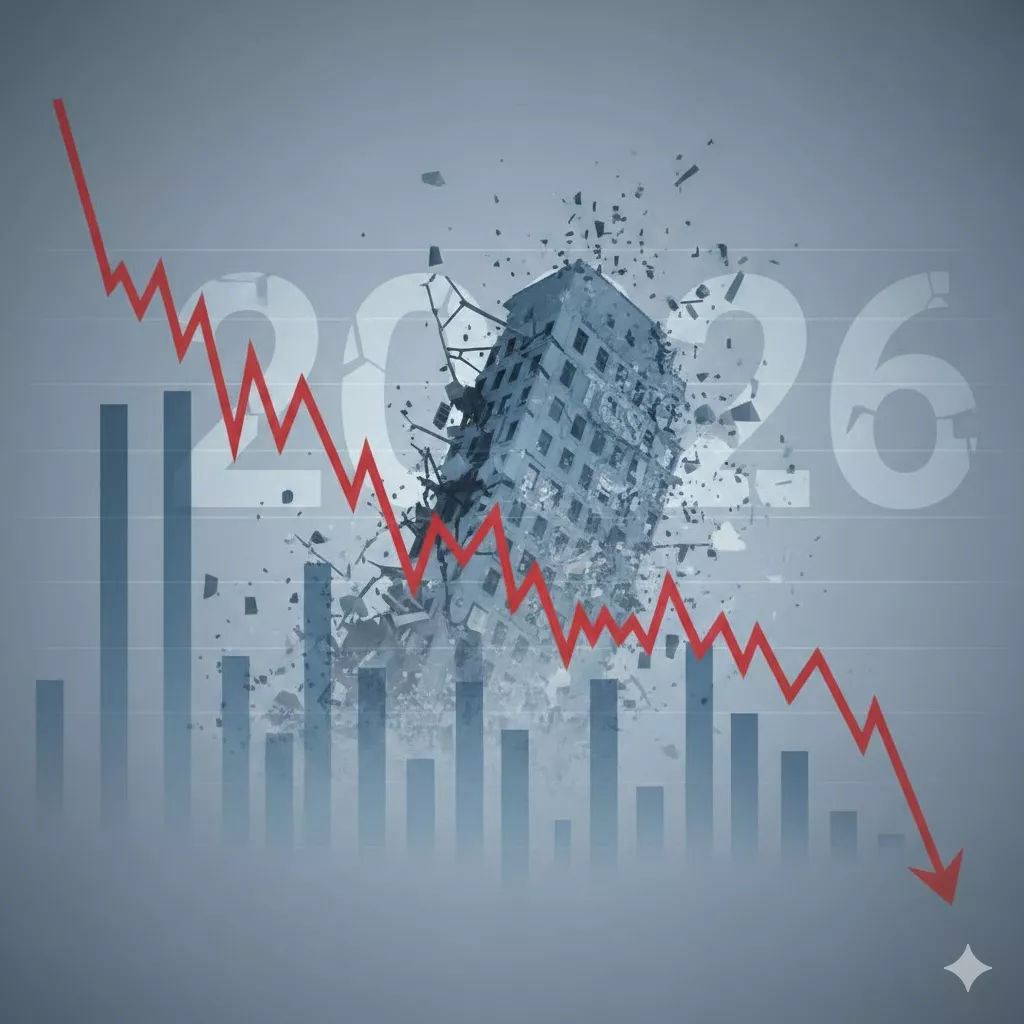
India’s National Clean Air Programme (NCAP), launched in 2019, aims to reduce particulate pollution by 40% in 131 non-attainment cities by 2026, compared to 2017 levels. As of 2023, a 10.5% decline in pollution in these cities has added six months to the lives of 443 million residents. If the 2026 target is met, Delhi residents could gain up to 4.4 years of life expectancy, while the national average could increase by 7.9 months. However, experts warn that achieving these goals will require sustained efforts, as progress remains uneven, and Delhi’s pollution levels remain stubbornly high.
Factors Driving Delhi’s Pollution Crisis
Several factors contribute to Delhi’s dire air quality:
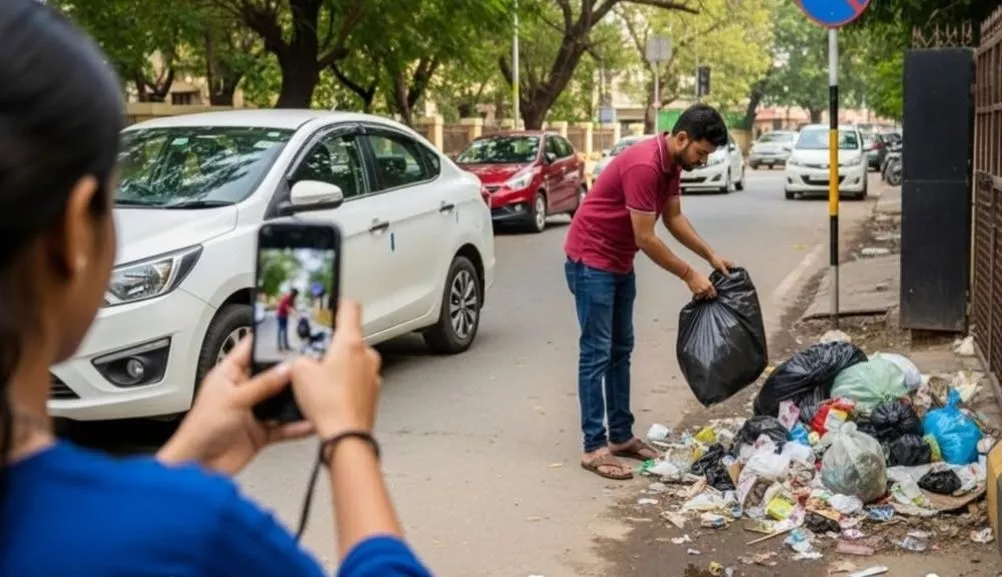
- Vehicular Emissions: The fourfold increase in vehicles over recent decades has significantly worsened air quality. Delhi’s roads are congested, and emissions from diesel and petrol vehicles are a major PM2.5 source.
- Industrial Pollution: Factories in and around the NCR contribute heavily to particulate emissions, with lax enforcement of regulations exacerbating the issue.
- Stubble Burning: Seasonal crop burning in Punjab and Haryana, particularly in October and November, sends plumes of smoke into Delhi, spiking PM2.5 levels.
- Geographical and Climatic Factors: Delhi’s location in the Indo-Gangetic Plain, combined with winter thermal inversions, traps pollutants, creating a “gas chamber” effect.
Tanushree Ganguly, Director of AQLI, emphasized that distinguishing between temporary weather-driven improvements and permanent policy-driven reductions is challenging based on single-year trends. Sustained policy implementation is critical to reversing Delhi’s health crisis.
The Path Forward: Urgent Action Needed
The EPIC report underscores that meeting WHO’s PM2.5 guideline of 5 µg/m³ could add nearly 12 years to Delhiites’ life expectancy, while achieving India’s national standard of 40 µg/m³ could add 8.5 years. Experts call for a multi-pronged approach to tackle the crisis:
- Stricter Emission Controls: Enforcing stringent regulations on vehicular and industrial emissions, including transitioning to cleaner fuels and electric vehicles.
- Addressing Stubble Burning: Implementing sustainable agricultural practices and providing farmers with alternatives to crop burning, such as subsidized machinery for residue management.
- Expanding NCAP: Strengthening the NCAP’s scope and enforcement to ensure consistent pollution reductions across all non-attainment cities.
- Public Awareness and Infrastructure: Promoting public transport, improving waste management, and increasing green cover to mitigate dust and pollution.
The India Meteorological Department’s recent “yellow” alerts for Delhi, predicting cloudy skies and moderate rain, highlight the role of weather in temporarily alleviating pollution. However, such conditions are not a long-term solution, and policy-driven measures remain essential.
A Call to Action for Bharat
Delhi’s air pollution crisis is a stark reminder of the urgent need to prioritize environmental and public health in India’s capital. As Bharat strives to balance rapid economic growth with sustainability, addressing air quality is critical to ensuring a healthier future for its citizens. The EPIC report serves as a wake-up call, urging policymakers, industries, and communities to act decisively to reclaim the years lost to toxic air.
For the latest updates on Bharat’s environmental challenges and solutions, stay tuned to Bharat Tone.