































































































































































Weak Rupee 2026: Impact on Indian Households

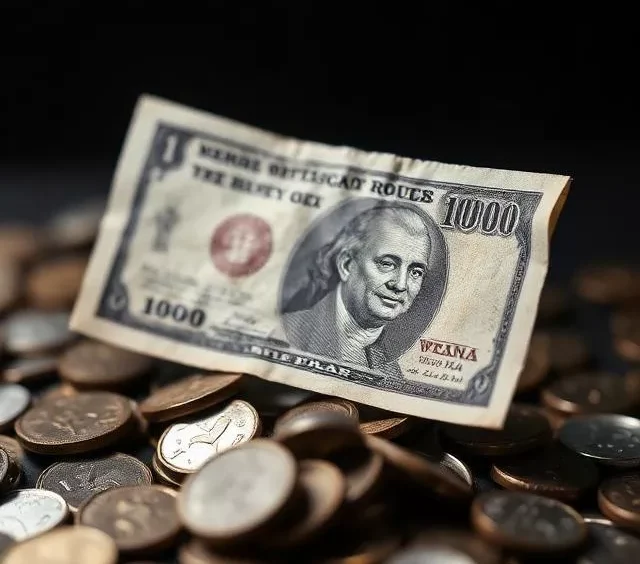
The USD to INR exchange rate has been hovering near record highs in March 2026, with 1 USD equaling approximately ₹94.19 – ₹94.78 as of 31 March 2026. This steady weakening of the Indian Rupee against the US Dollar is not just a number on the screen — it directly touches the lives of millions of Indians, from fuel prices at the pump to shopping bills, foreign education, and travel plans.
Here’s a clear breakdown of how the current USD vs Rupee situation is impacting common Indians in 2026.
Current USD to INR Rate 2026
- Rate: 1 USD ≈ ₹94.19 (mid-market)
- 2026 Range: ₹92.25 – ₹94.86 (touched highs near ₹95 in some sessions)
- 2026 High so far: Around ₹94.86–₹95.20
- Year-to-Date Depreciation: Rupee has weakened roughly 4–5% since January 2026
This level makes the dollar more expensive in rupee terms, affecting both importers and everyday consumers.
Major Impacts of Weak Rupee on Indians in 2026
1. Higher Fuel & Transportation Costs India imports over 85% of its crude oil. A weaker rupee increases the landed cost of oil, which often leads to higher petrol and diesel prices. This directly raises:
- Daily commuting expenses
- Goods transportation costs
- Inflation in food and essential items (as logistics become costlier)
2. Rising Prices of Imported Goods & Electronics Smartphones, laptops, cars, and many consumer durables have imported components. When the rupee weakens:
- Mobile phones and gadgets become 3–8% more expensive
- Imported edible oils, pulses, and cosmetics see price hikes
- Overall retail inflation gets pushed upward
3. Costlier Foreign Education & Overseas Travel Families sending children abroad for studies face a big hit:
- Tuition fees and living expenses in USD/GBP/EUR require more rupees
- Foreign travel, holidays, and medical treatment abroad also become significantly costlier
4. Mixed Impact on Jobs & Businesses
- Positive for Exporters & IT Sector: Companies earning in dollars (IT, pharmaceuticals, gems & jewellery) get more rupees per dollar, which can lead to better revenues, bonuses, or job stability.
- Negative for Importers: Traders dealing in foreign goods see squeezed margins, which may eventually pass on to consumers.
5. Remittances Bring Cheer for Families For families receiving money from NRIs in the USA, UK, Canada, or Gulf countries — this is good news. Every $1,000 sent home now converts to nearly ₹94,000+, giving higher value compared to early 2026 rates.
6. Stock Market & Investment Volatility Foreign investors (FIIs) pulling money out during rupee weakness can cause short-term dips in the stock market, affecting mutual fund investors and those with equity exposure.
April 2026 Outlook: What to Expect Next?
Analysts expect the USD/INR pair to remain range-bound between ₹94 – ₹96.50 in April 2026. Key factors to watch:
- Global crude oil prices (rising due to geopolitical tensions)
- RBI interventions and forex reserve management
- US Federal Reserve policy and dollar strength
- India’s trade deficit and capital flows
A further sharp weakening could add 0.5–1% to inflation, while any recovery (below ₹92) would ease pressure on household budgets.
Practical Tips for Indians to Handle Weak Rupee
- Delay Big Imported Purchases: Wait for rupee stabilization if possible.
- Hedging for Education/Travel: Book forex in advance or use forward contracts.
- Boost Savings in Rupee Assets: Fixed deposits, gold, or domestic stocks may offer some protection.
- NRIs Sending Money: Current rates are favorable — time large remittances wisely.
- Monitor Inflation: Keep an eye on fuel and grocery prices; adjust monthly budgets accordingly.
The Reserve Bank of India (RBI) continues to intervene in the forex market to prevent excessive volatility, but the rupee’s movement ultimately depends on global factors like oil prices and dollar demand.
BharatTone Take: A moderately weak rupee helps exporters and makes Indian goods competitive globally, but prolonged weakness hurts the common man through higher living costs. Balance is key for sustainable growth.
Stay tuned to BharatTone.com for daily USD to INR updates, inflation news, personal finance tips, and how global events affect your wallet.
Have you felt the impact of the weak rupee on your monthly expenses yet? Share your experience in the comments below — whether it’s higher fuel bills, costlier gadgets, or better NRI remittances!