


















































































































Android vs iOS 2026: India’s Mobile OS Battle

Android vs iOS 2026: India’s Mobile OS Battle
In the bustling streets of Mumbai, Delhi, or rural Haryana, one thing unites millions: the smartphone in their hand. As we step into 2026, India’s mobile landscape is overwhelmingly powered by Android, holding a staggering 95.26% market share (StatCounter, December 2025 data), while iOS hovers at around 4.44%. Globally, Android leads with ~71.68%, but in Bharat, it’s a near-monopoly—driven by affordable devices from brands like Samsung, Xiaomi, Realme, and Vivo.
Yet, iOS is gaining ground among urban professionals and youth, with Apple expanding manufacturing in India and premium sales surging. Huawei’s HarmonyOS remains niche here, limited by availability.
Which OS powers your daily UPI payments, Jio recharge, or Instagram reels best in 2026? Let’s break down this mobile operating systems comparison 2026 with an Indian lens—focusing on affordability, features, battery life, and ecosystem relevance.
India’s Market Reality: Android’s Unshakable Dominance
Key stats for India (early 2026):
- Android: 95.26% (StatCounter)
- iOS: 4.44%
- Others (including HarmonyOS traces): Negligible
Android thrives on variety—from ₹8,000 budget phones to ₹1 lakh flagships. iOS appeals to the growing premium segment, with Apple now assembling iPhones locally for faster launches and better pricing.
HarmonyOS? Huawei devices are available but lack Google services, limiting appeal in India.
Android 16: The People’s Choice in India
Google’s Android 16 (stable since mid-2025) powers most Indian smartphones, with manufacturers like Samsung (One UI), Xiaomi (HyperOS), and Realme customizing it brilliantly.
Why Android Rules Indian Hearts
- Affordability & Variety: Devices for every budget—Realme, Redmi, Poco dominate sub-₹20,000.
- Customization: Themes, launchers, and features like split-screen multitasking.
- Battery & Performance: Optimized for mid-range chips; features like adaptive battery shine on long Indian commutes.
- AI Features: Gemini integration for Hindi/English summaries, photo editing.
- India-Specific: Seamless UPI, regional languages, Jio/ Airtel optimizations.
Real-world: Samsung’s Galaxy A-series and M-series offer 4-5 years updates; Pixels provide clean experience but limited availability.
Challenges for Indian Users
- Update delays on budget brands.
- Bloatware in some skins.
Expert view: Android’s open ecosystem fuels India’s digital revolution—from Aadhaar to ONDC.
iOS 26: Premium Polish Gaining Traction
Apple’s iOS 26 (released September 2025, with 26.2 in December and 26.3 beta ongoing) brings Liquid Glass design and enhanced Apple Intelligence.
iOS Strengths in India
- Seamless Experience: Fluid UI, long battery on iPhones.
- Privacy & Security: Top-tier, crucial amid rising cyber threats.
- Ecosystem: AirPods, Watch integration; growing Apple Stores/service centers.
- Camera & Video: Best for content creators on YouTube/Instagram.
- Resale Value: High, appealing in price-sensitive market.
Real-world: iPhone 15/16 series popular among youth; local production lowers prices slightly.
Drawbacks in India
- Higher cost—no true budget options.
- Limited customization.
- App ecosystem strong but premium-focused.
With India set to be Apple’s third-largest market by volume soon, iOS share could hit 6-8% by late 2026.
HarmonyOS 6: Limited but Intriguing Challenger
Huawei’s HarmonyOS 6 (stable late 2025) is fully independent, excelling in multi-device connectivity.
Potential in India
- Smooth performance, strong battery.
- Distributed features for Huawei ecosystem.
But challenges: Limited devices, no Google Play Services—critical for Indian apps like WhatsApp, Paytm.
Market share: Near zero in India; focused on China (~19%).
Head-to-Head: Features for Indian Users
| Feature | Android 16 | iOS 26 | HarmonyOS 6 |
|---|---|---|---|
| India Market Share | ~95% | ~4.5% | <1% |
| Budget Options | Excellent | None | Limited |
| Customization | High | Low | Medium |
| Battery Life | Great (mid-range optimized) | Excellent | Strong |
| UPI/India Apps | Full support | Full | Partial (sideloading) |
| Updates | Varies (long on premium) | Consistent 6+ years | Huawei-dependent |
| AI Features | Gemini (multilingual) | Apple Intelligence | Native AI |
Benefits & Challenges: Indian Perspective
Benefits:
- Android: Value for money, vast choices—perfect for India’s diverse needs.
- iOS: Premium feel, reliability—status symbol in urban India.
- All: Better Hindi/regional support, 5G optimization.
Challenges:
- Data privacy concerns.
- E-waste from frequent upgrades.
- Premium shift: Rising incomes push more towards iOS.
Real examples: Budget Androids power rural digital India; iPhones dominate influencer content.
2026 Predictions for India
- Android stays king (94%+), but iOS grows to 6-10% with local manufacturing.
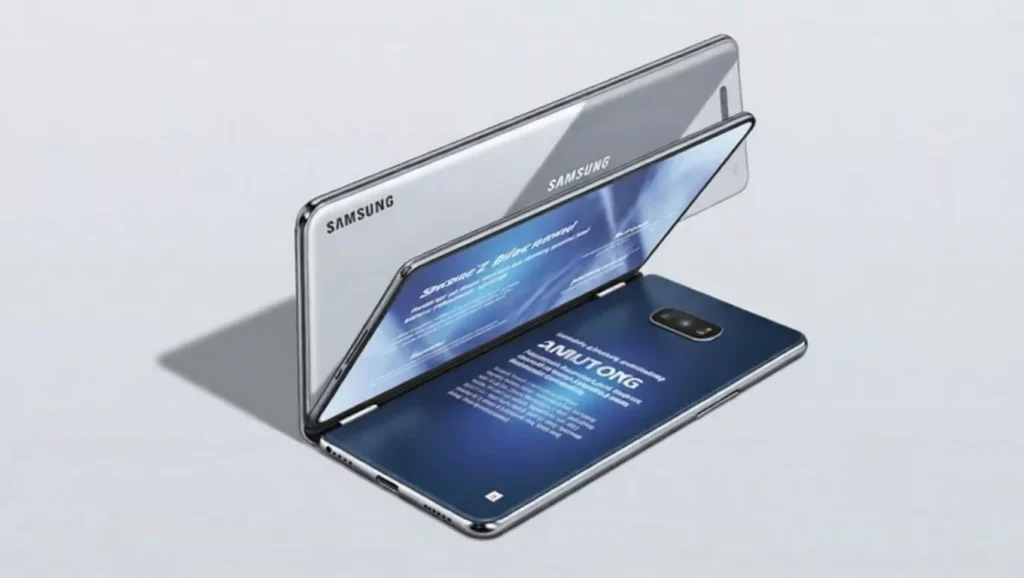
- More foldables on Android.
- AI deeper integration—voice assistants in regional languages.
- Sustainability focus: Longer updates, recycled materials.
Exciting era for Indian smartphone users!
FAQ: Mobile OS Comparison 2026 India
Which is better in India 2026: Android or iOS? Android for most—affordable, versatile. iOS for premium experience.
Android market share India 2026? ~95%.
Why iOS low in India? Price; but growing fast.
HarmonyOS in India? Limited; lacks Google services.
Best OS for battery in India? Android mid-rangers or iOS.
What’s your go-to OS in 2026—Android’s value or iOS premium? Share in comments, follow BharatTone.com for more tech insights from an Indian viewpoint!