










































































































































RBI Proposes One-Hour Delay for High-Value Digital Payments Above ₹10,000 to Curb Surging Fraud

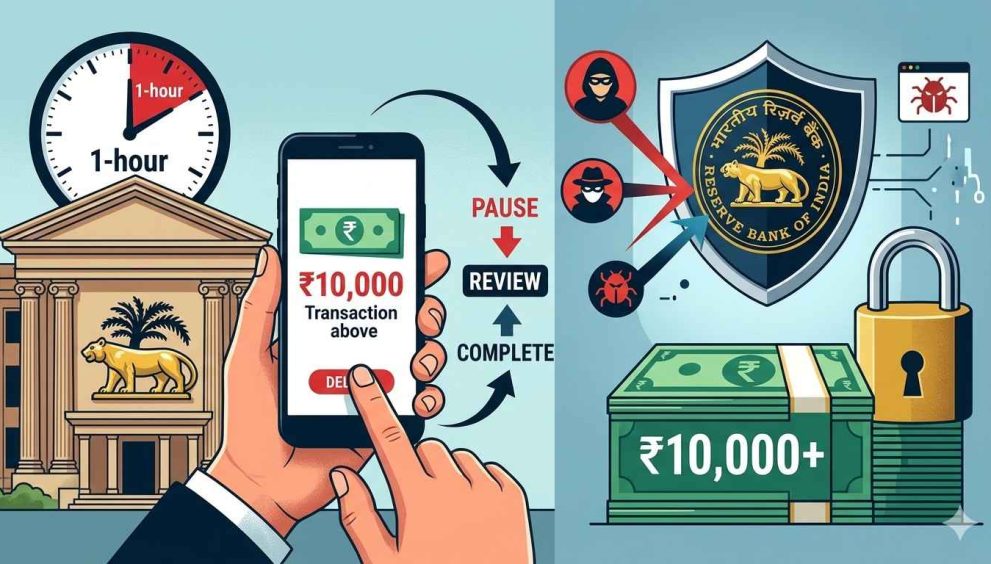
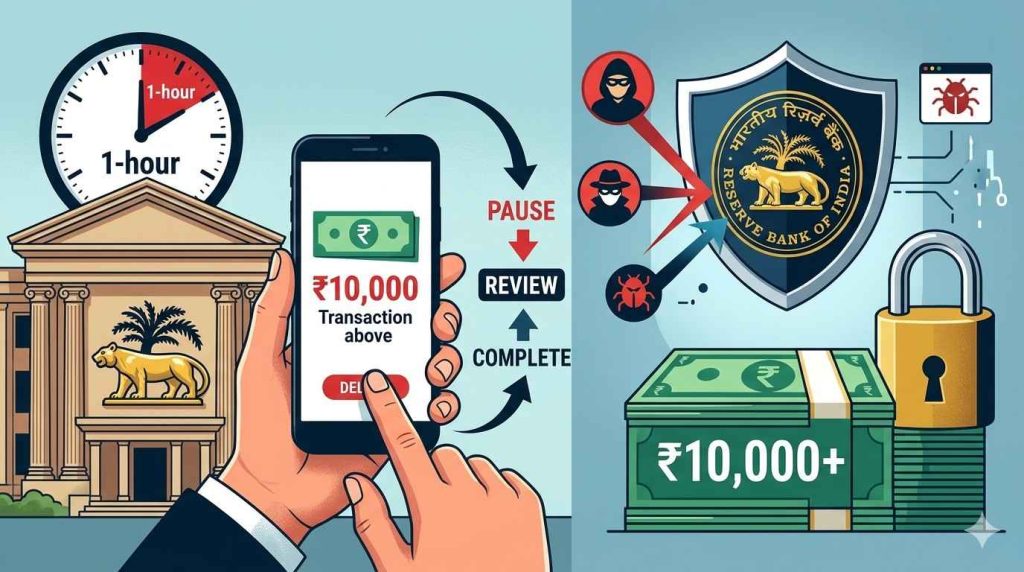
New Delhi/Mumbai, April 10, 2026 – In a major move to protect users from rising digital payment frauds, the Reserve Bank of India (RBI) has proposed introducing a one-hour delay on high-value peer-to-peer (P2P) and account-to-account transfers above ₹10,000. The central bank released a discussion paper on April 9, 2026, outlining multiple safeguards aimed at tackling Authorised Push Payment (APP) frauds driven by social engineering, impersonation, and coercion.
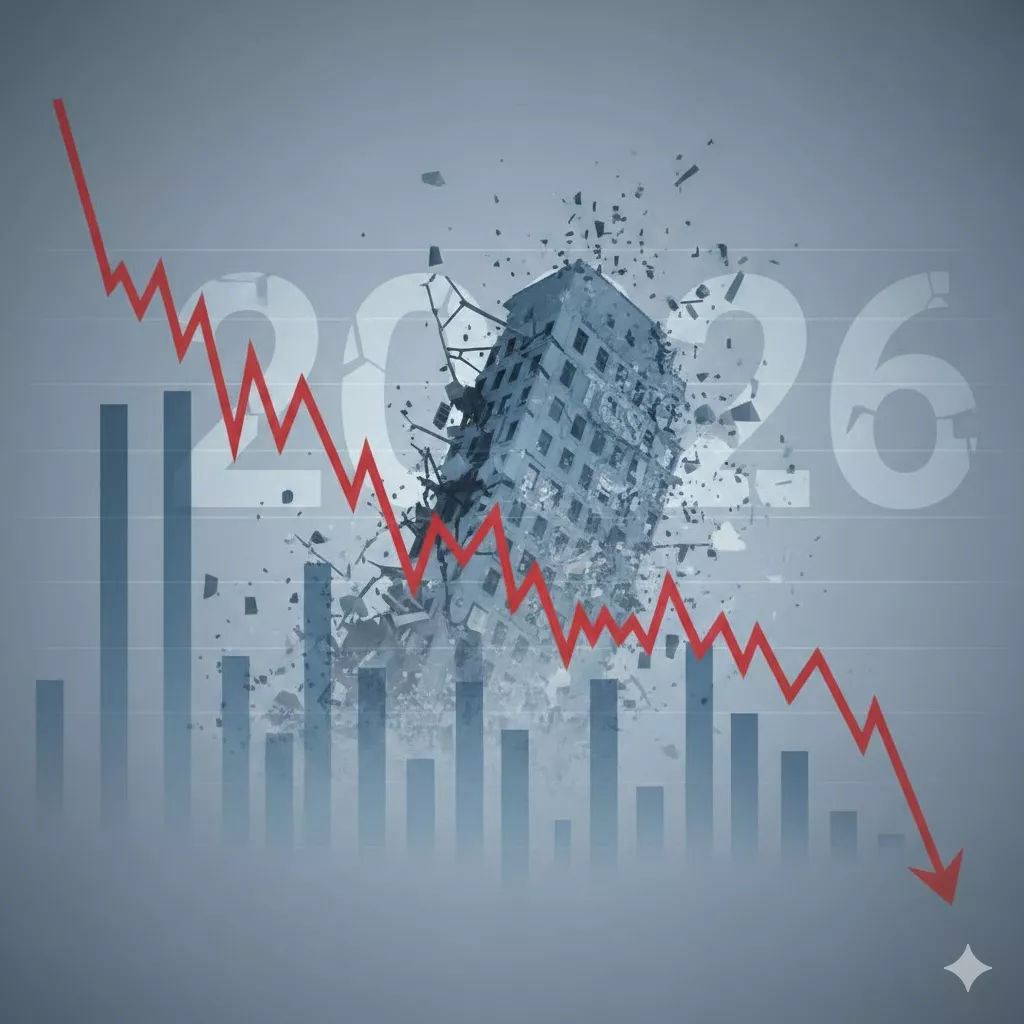
Digital payment frauds have seen a dramatic surge in recent years. According to data from the National Cyber Crime Reporting Portal (NCRP), reported cases jumped from 2.6 lakh worth ₹551 crore in 2021 to 28 lakh cases amounting to ₹22,931 crore in 2025. High-value transactions (above ₹10,000) account for only about 45% of fraud cases by volume but a staggering 98.5% of the total losses.
Key Proposals in the RBI Discussion Paper
The RBI has suggested four broad safeguards and is seeking stakeholder feedback to balance security with the convenience of India’s fast-growing digital payments ecosystem.
- One-Hour Cooling-Off Period for High-Value Transfers
- A mandatory 60-minute delay (lag) on account-to-account (P2P) transfers above ₹10,000 made via UPI, IMPS, or similar systems.
- During this window, the payer can review and cancel suspicious transactions.
- Exemptions: The delay will not apply to merchant payments (P2M), which already have chargeback mechanisms.
- Banks may implement a provisional debit with real-time alerts for suspicious activity.
- Extra Protection for Vulnerable Customers
- Senior citizens (above 70 years) and persons with disabilities may require approval from a nominated “trusted contact” for transactions above ₹50,000.
- Users will have the option to opt out of this safeguard.
- Tighter Controls on Suspicious Accounts
- Limits on credits into bank accounts flagged for review or showing suspicious patterns, pending additional due diligence.
- This aims to curb the use of “mule accounts” commonly used in fraud networks.
- Customer-Controlled ‘Kill Switch’
- A one-click mechanism allowing users to instantly freeze or disable all digital payment channels from their account in case of suspected fraud.
- This gives customers immediate control during emergencies.
The proposals focus primarily on APP frauds, where victims are tricked into voluntarily initiating transfers, making recovery extremely difficult once funds move through instant payment systems.
Why This Matters for India’s Digital Economy
India has witnessed explosive growth in digital payments, with UPI leading the charge. However, the convenience of instant transfers has also made it easier for fraudsters to exploit users through phone calls, fake messages, and deepfake scams. The RBI emphasized that most frauds today do not involve technical breaches of banking systems but rely on psychological manipulation.
The one-hour delay is designed to introduce “targeted friction” in high-risk transactions without affecting low-value or merchant payments, preserving the seamless experience for everyday users.
Next Steps and Public Consultation
- Stakeholders, including banks, fintech companies, payment system operators, and the general public, can submit comments on the discussion paper until May 8, 2026, via the RBI’s Connect 2 Regulate portal.
- After reviewing feedback, the RBI plans to issue draft guidelines for implementation.
The central bank has stressed that any final measures will aim to enhance security while maintaining the ease and speed that have made India a global leader in digital payments.
What This Means for Users
- For regular users: Most small transactions (below ₹10,000) and merchant payments will remain instant.
- For high-value transfers: Expect a short waiting period with the option to cancel if something feels wrong.
- For seniors and vulnerable groups: Additional layers of protection with trusted contact approval.
- Emergency control: The ‘kill switch’ could prove lifesaving in fraud situations.
Bharat Tone View: While the proposals may add a minor inconvenience for legitimate high-value transfers, they represent a much-needed step to rebuild trust in digital payments. With fraud losses crossing ₹22,000 crore annually, introducing smart friction could save millions of citizens from devastating financial losses. The success will depend on how smoothly banks and fintechs implement these features without disrupting genuine users.
Have you ever faced or heard of UPI fraud? Do you support the one-hour delay for high-value transfers? Share your thoughts in the comments below.