






















































































































Shiva Mantras & Bhajans for All-Night Shivaratri Jagran


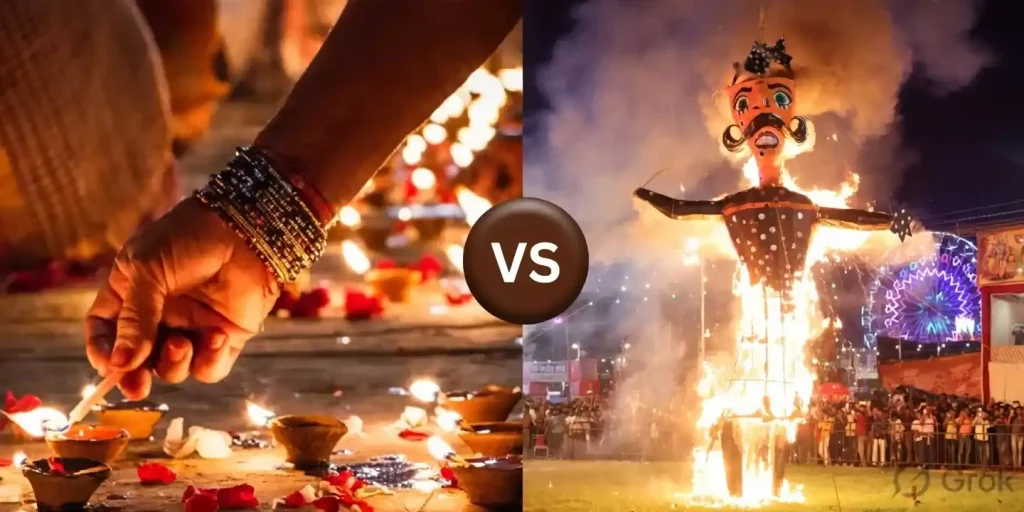
Har Har Mahadev! As the sun sets on February 15, 2026, in Hyderabad, Telangana, a divine hush descends. The sky darkens, the moon waxes toward fullness, and hearts across the city turn toward Mount Kailash. This is no ordinary night—this is Maha Shivaratri, the Great Night of Shiva, when the veil between the mortal and the eternal thins. Devotees light diyas, offer bilva leaves, and prepare for jagran—the sacred all-night vigil. Amid the stillness, the most powerful way to honor Lord Shiva is through mantra and bhajan. The vibrations of these chants harmonize with the cosmic rhythm of Shiva’s Tandava, dissolving tamas, awakening sattva, and drawing the soul closer to the eternal Nataraja.
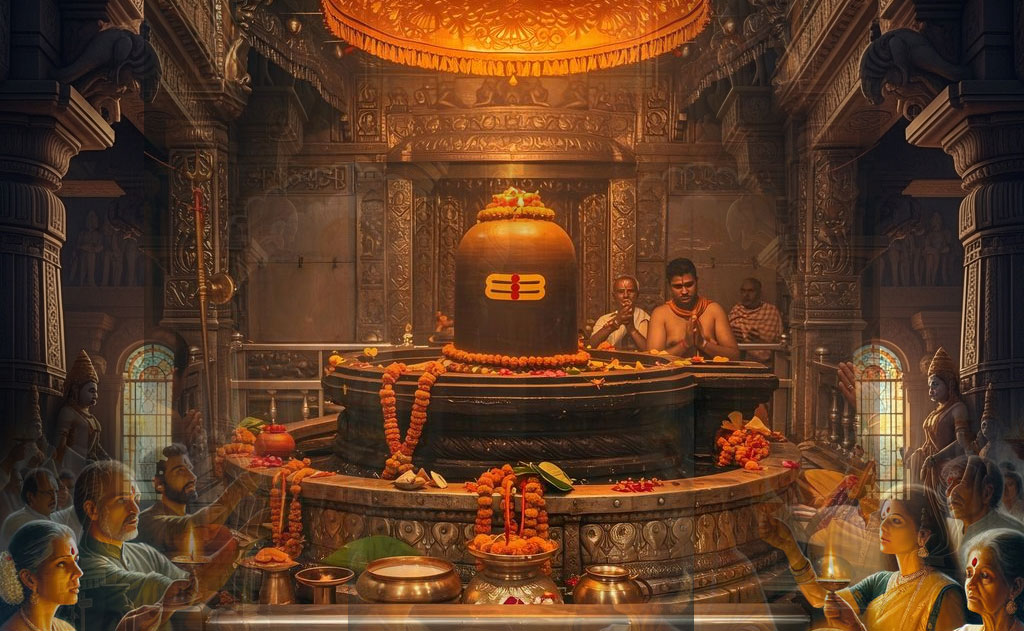
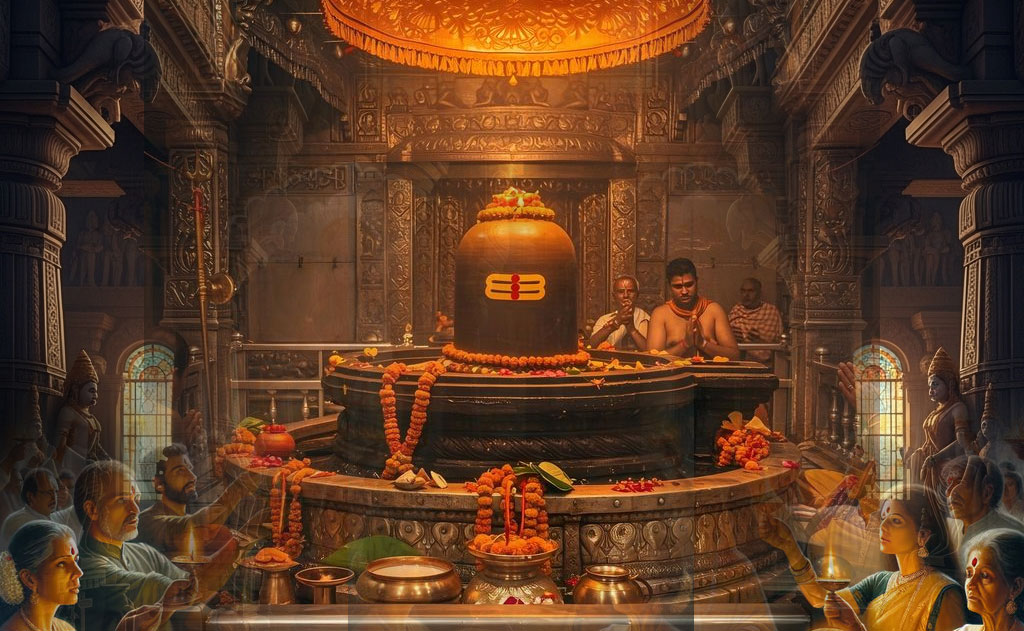
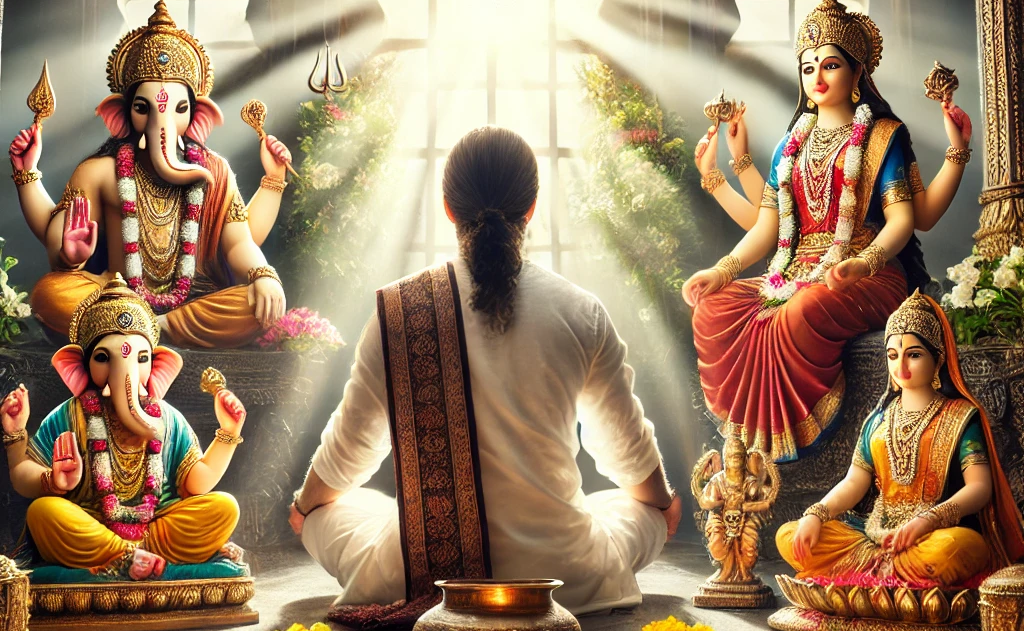
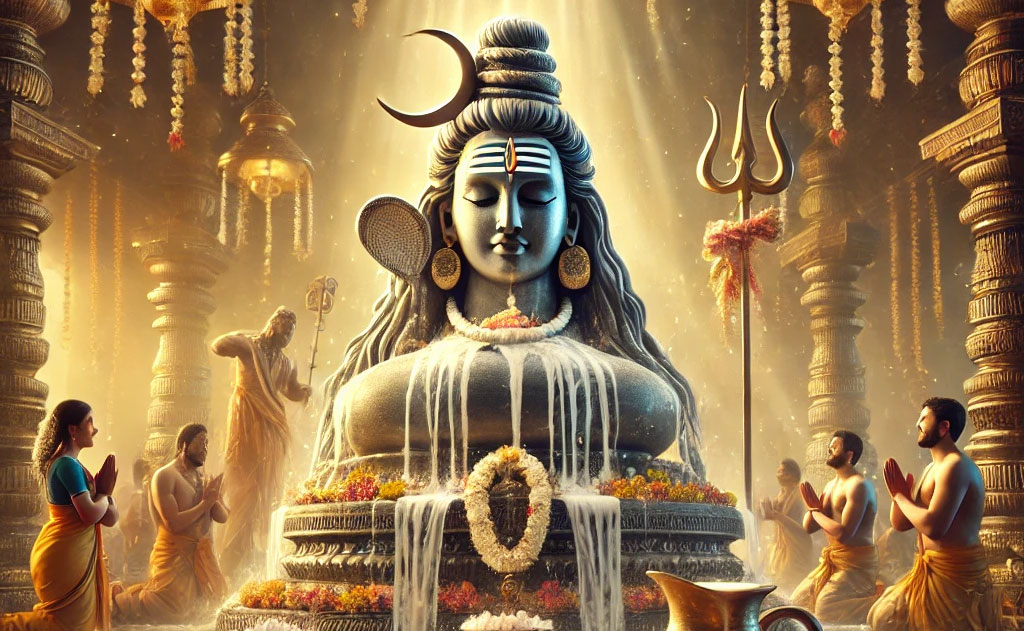
Imagine sitting before your home altar, the Shivalinga bathed in milk and honey, the air thick with sandalwood incense. As midnight approaches, the energy peaks during Nishita Kaal (around 12:30 AM to 1:00 AM on February 16). The four prahars divide the night: First Prahar (6:18 PM–9:24 PM) for invocation and purification; Second Prahar (9:24 PM–12:30 AM) for deep devotion and offerings; Third Prahar (12:30 AM–3:36 AM) for intense energy and midnight abhishekam; Fourth Prahar (3:36 AM–dawn) for meditation and surrender. Chanting all night keeps the mind alert, the heart ecstatic, and the spirit attuned to Shiva’s grace.
Why chant through the night? Scriptures like the Shiva Purana teach that Maha Shivaratri is the night when Shiva performed the cosmic Tandava, balancing creation and destruction. Staying awake in bhakti overcomes ignorance (tamas), aligns with Shiva’s eternal rhythm, and invites moksha. Group kirtan amplifies the energy—voices blending like the Ganga’s flow—while solo chanting allows intimate communion. Benefits abound: negativity dissolves, stress fades, inner peace blooms, and devotees report profound ecstasy, wish fulfillment, and protection from fears. As Tulsidasji says in the Rudrashtakam, Shiva is pleased by sincere devotion, showering compassion on those who sing His name.
Here is a curated playlist of 18 timeless Shiva mantras and bhajans, perfect for your Shivaratri jagran. Each includes Sanskrit lyrics (or key verses), transliteration, English meaning, and suggested prahar timing. Sing slowly, with feeling—let the words melt into melody. Use a japa mala for repetition, or play soft tabla/damru rhythms. Chant aloud in groups for joy, softly alone for depth.
1. Karpura Gauram Karunavtaram (Evening Invocation – First Prahar) This Yajurveda mantra paints Shiva as pure as camphor, compassionate, and ever-residing in the heart. Begin your jagran here to purify the space. Sanskrit: कर्पूरगौरं करुणावतारं संसारसारं भुजगेन्द्रहारम् । सदावसन्तं हृदयारविन्दे भवं भवानीसहितं नमामि ॥
Transliteration: Karpūragauraṃ karuṇāvatāraṃ saṃsārasāraṃ bhujagendrahāram | Sadāvasantaṃ hṛdayāravinde bhavaṃ bhavānīsahitaṃ namāmi ||
Meaning: I bow to Shiva, white as camphor, the embodiment of compassion, the essence of the universe, adorned with the king of serpents. He dwells eternally in the lotus of my heart, united with Bhavani—salutations to Him.
Chant this 11 times to start, feeling Shiva’s serene presence wash away worldly worries.
2. Om Namah Shivaya (Continuous Japa – All Night) The Panchakshari mantra, the heartbeat of Shaivism. Repeat it endlessly—108 times per round, or non-stop in kirtan. Sanskrit: ॐ नमः शिवाय Transliteration: Om Namah Shivaya Meaning: Om, salutations to Shiva (the auspicious one).
This five-syllable chant represents the five elements, dissolving ego and awakening Shiva-consciousness. In group jagran, circle the altar, clapping rhythms—feel the vibration rise like waves.
3. Maha Mrityunjaya Mantra (First/Second Prahar – For Protection) From the Rigveda, this healing mantra conquers death and fear. Sanskrit: ॐ त्र्यम्बकं यजामहे सुगन्धिं पुष्टिवर्धनम् । उर्वारुकमिव बन्धनान् मृत्योर्मुक्षीय मामृतात् ॥
Transliteration: Om Tryambakaṃ yajāmahe sugandhiṃ puṣṭivardhanam | Urvarukamiva bandhanān mṛtyormukṣīya māmṛtāt ||
Meaning: We worship the three-eyed one, fragrant and nourisher of all. May He liberate us from death for the sake of immortality, as a cucumber is severed from its bondage.
Chant 108 times during abhishekam—devotees experience fearlessness and health blessings.
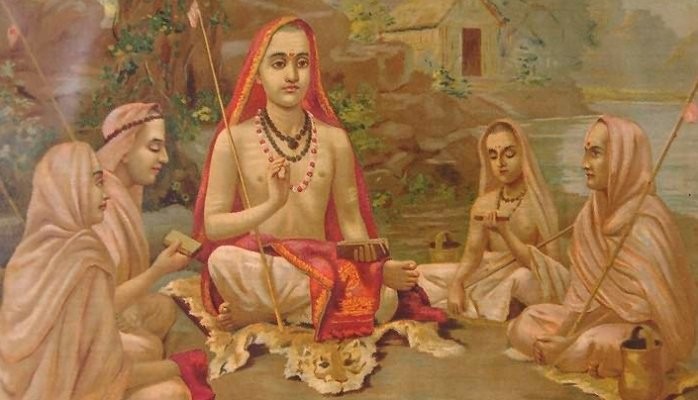
4. Bilvashtakam (Second Prahar – During Bilva Offerings) Composed by Adi Shankaracharya, this octet glorifies the bilva leaf, Shiva’s favorite. Offer three leaves per verse. Key Verse: त्रिदलं त्रिगुणाकारं त्रिनेत्रं च त्रियायुधम् । त्रिजन्मपापसंहारमेकबिल्वं शिवार्पणम् ॥
Transliteration: Tridalaṃ triguṇākāraṃ trinetraṃ ca triyāyudham | Trijanmapāpasamhāram ekabilvaṃ śivārpaṇam ||
Meaning: The trifoliate leaf represents the three gunas, three eyes, and three weapons. It destroys sins of three births—one bilva leaf I offer to Shiva.
Sing the full eight verses while placing bilva on the linga—Shiva accepts it with joy.
5. Shiva Tandava Stotram (Third Prahar – Midnight Peak) Ravana’s ecstatic hymn, composed in surrender. Chant excerpts or full for high energy. Opening Verse: जटाटवीगलज्जलप्रवाहपावितस्थले गलेऽवलम्ब्य लम्बितां भुजङ्गतुङ्गमालिकाम् । डमड्डमड्डमड्डमन्निनादवड्डमर्वयं चकार चण्डताण्डवं तनोतु नः शिवः शिवम् ॥
Transliteration: Jaṭāṭavīgalajjalapravāhapāvitasthale gale’valambya lambitāṃ bhujaṅgatuṅgamālikām | Ḍamaḍḍamaḍḍamaḍḍamanninādavaḍḍamarvayaṃ cakāra caṇḍatāṇḍavaṃ tanotu naḥ śivaḥ śivam ||
Meaning: With Ganga purifying His matted locks, a serpent garland on His neck, and the damaru resounding, Shiva performs the fierce Tandava—may He bestow auspiciousness.
At midnight, chant with passion—feel Ravana’s devotion, as Shiva granted him boons.
6. Rudrashtakam (Third Prahar – Deep Devotion) Tulsidasji’s octet praising Rudra. Opening Verse: नमामीशमीशान निर्वाणरूपं विभुं व्यापकं ब्रह्मवेदस्वरूपम् । निजं निर्गुणं निर्विकल्पं निरीहं चिदाकाशमाकाशवासं भजेऽहं ॥
Transliteration: Namāmīśamīśāna nirvāṇarūpaṃ vibhuṃ vyāpakaṃ brahmavedasvarūpam | Nijaṃ nirguṇaṃ nirvikalpaṃ nirīhaṃ cidākāśamākāśavāsaṃ bhaje’haṃ ||
Meaning: I bow to Ishana, form of liberation, all-pervading, the essence of Vedas—attributeless, desireless, I worship Him dwelling in the sky of consciousness.
This brings tears of bhakti—Shiva removes sorrows.
7-18. Additional Favorites (Rotate Through Prahar) 7. Shiva Gayatri: Om Panchvaktraya Vidmahe… (For wisdom). 8. Rudra Gayatri: Om Tatpurushaya Vidmahe… (For strength). 9. Lingashtakam Verses: Suralinga… (During offerings). 10. Har Har Mahadev (Call-response kirtan—group favorite). 11. Bam Bam Bhole (Energetic, rhythmic—keep awake!). 12. Shiva Chalisa Excerpts: Jai Shiv Onkara… (Storytelling). 13. Om Tryambakam (Repeat Maha Mrityunjaya). 14. Karpura Gauram (Reprise). 15. Damaru Tandava Sounds (Imitate damaru beats). 16. Shiv Stuti: Shiva Shiva Shiva… (Simple repetition). 17. Mahamrityunjaya Variations (Healing rounds). 18. Closing: Om Namah Shivaya Chorus (Dawn surrender).
Group vs Solo Tips Group: Form a circle, alternate lead singers, clap or use manjira—energy multiplies. Solo: Whisper or hum softly, focus on breath—intimate union with Shiva.
Linked Puranic Stories
- Shiva Tandava: Ravana lifted Kailash; Shiva pressed it with His toe. In pain, Ravana sang this stotram—Shiva granted immortality.
- Bilvashtakam: Bilva leaves represent Trinity—offer them for sin removal.
- Maha Mrityunjaya: From Markandeya Purana—saved devotee from death.
Guided Closing Meditation (Dawn) As the fourth prahar ends, sit quietly. Close eyes. Inhale deeply: “Om Namah…” Exhale: “Shivaya…” Visualize Shiva’s form—blue throat, crescent moon, serene smile. Feel His grace envelop you. Chant slowly in chorus: Om Namah Shivaya… Om Namah Shivaya… Let it fade into silence. Bow: “Har Har Mahadev!”
May this jagran fill your heart with Shiva’s bliss. Share the joy—spread these chants. Har Har Mahadev!

