













































































































CES 2026 Top Trends: Physical AI, Robotics, and Foldables Define the Future – An Indian Perspective


CES 2026 Top Trends: Physical AI, Robotics, and Foldables Define the Future – An Indian Perspective
The Consumer Electronics Show (CES) 2026, held from January 6-9 in Las Vegas, has once again proven why it’s the world’s biggest tech stage. This year, the spotlight shifted from screen-based AI to Physical AI — intelligent systems that sense, reason, and act in the real world. Robotics took center stage with humanoids and home helpers, while foldables evolved into practical phone-tablet hybrids. For Indians, these trends carry huge promise: from boosting Make in India manufacturing to transforming daily life in urban homes, agriculture, healthcare, and the gig economy.
As India races toward becoming a global tech powerhouse, CES 2026 highlights how our innovators — from startups in Bengaluru and Bhopal to established brands — are already carving a space on the world map. With rising participation from Indian companies, the show signals that Bharat is not just consuming global tech but shaping it.
Physical AI: From Digital Chat to Real-World Action
Nvidia CEO Jensen Huang called it the “ChatGPT moment for physical AI” — the point where machines truly understand and interact with the physical environment. This means AI moving beyond apps into robots, vehicles, appliances, and wearables that perceive, decide, and act without constant human input.
Key highlights included Nvidia’s Rubin platform for robotics and autonomy, Arm’s new physical AI unit, and Qualcomm’s Dragonwing IQ10 for humanoid platforms. Edge AI — processing data locally on efficient chips — dominated, addressing latency, privacy, and real-world reliability.
Why this matters for India in 2026: India’s massive young workforce, growing smart cities, and agriculture sector stand to gain immensely. Physical AI could automate labor-intensive tasks in factories and farms, enhance healthcare monitoring in rural areas, and power affordable smart homes. With India’s edge in AI talent and semiconductor push (via initiatives like PLI schemes), local startups could lead in cost-effective, India-specific solutions — think AI for traffic in chaotic cities or adaptive farming tools for monsoon variability. As global giants scale physical AI, Indian firms like those from Eureka Park could partner for “Make in India” versions, creating jobs and reducing import dependence.
Robotics: Humanoids and Helpers Go Mainstream
Robotics exploded at CES 2026, transitioning from demos to deployment-ready tech. Boston Dynamics’ electric Atlas humanoid, with 56 degrees of freedom and real-world lifting, is set for Hyundai factories in 2026. LG’s CLOiD handled household chores like laundry folding, while Roborock’s Saros Rover climbed stairs with legs. Affordable options from Unitree (G1, H2) and emotional companions like Tombot Jennie (Best Age Tech winner) addressed loneliness in seniors.
Trends point to industrial rollouts first (warehouses, manufacturing), followed by home and agriculture bots.
Indian angle: Robotics addresses India’s labor shortages in manufacturing and elder care, especially in aging urban families. With a growing elderly population and nuclear households, companion robots could provide emotional support — a big need in diaspora communities too. In agriculture, autonomous mowers like Mammotion LUBA 3 could inspire local adaptations for small farms. Indian startups like ArvyaX Technologies (pseudo-reality and robotics) and others at CES show Bharat’s talent is ready to innovate affordable, culturally attuned robots.
Foldables: The Phone-Tablet Revolution
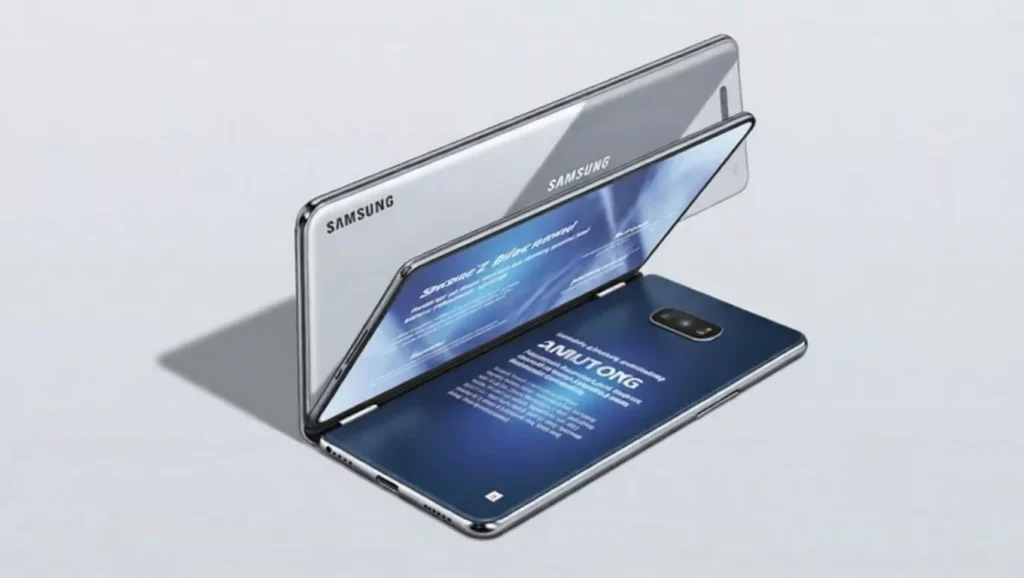
Foldables matured with Samsung’s Galaxy Z TriFold — Best Overall and Best Mobile Tech winner — offering a seamless 10-inch tablet mode from a pocketable phone. Motorola’s Razr Fold brought book-style productivity with stylus support. Concepts like crease-free OLEDs promise to eliminate drawbacks.
Implications for Indian consumers: India’s smartphone market is price-sensitive yet aspirational. As foldables become mainstream in 2026, expect more affordable variants from brands like Samsung (with strong India presence) and local players. Productivity gains suit India’s young professionals, students, and creators — multitasking on a big screen without carrying a tablet. With rising 5G adoption, these could boost content creation, remote work, and education in tier-2/3 cities.
India’s Shining Moment at CES 2026
India’s footprint grew impressively. CES VP John Kelley praised rising participation, spotlighting Bengaluru’s Ultrahuman (health wearables) and Gurgaon’s Noise (smartwatches). Other highlights: Bhopal’s ArvyaX Technologies in robotics/pseudo-reality, health-tech aabo, and automotive Sona Comstar. Kerala IT firms opened a dedicated pavilion, showcasing local innovation.
This reflects India’s evolution — from R&D hub to global exhibitor. With over 4,100 exhibitors from 150 countries, Indian startups used Eureka Park to gain visibility, partnerships, and funding.
Predictions for Real-World Adoption in India 2026
- Industrial & Manufacturing: Humanoids like Atlas could accelerate in auto/electronics sectors via partnerships (e.g., Hyundai’s India ops).
- Home & Wellness: Companion bots for seniors and smart appliances address urban family needs.
- Agriculture & Outdoors: Wire-free, AI-navigated tools suit small farms.
- Mobility & Productivity: Foldables and AI wearables enhance gig economy and education.
- Challenges & Opportunities: Affordability, data privacy, and skill gaps remain, but India’s talent pool and government push (AI Mission, Digital India) position us strongly.
CES 2026 wasn’t hype — it was purposeful innovation arriving. Physical AI, robotics, and foldables signal a future where technology solves real problems. For Bharat, this is a golden window: innovate locally, scale globally, and lead in the intelligent world. Stay tuned to BharatTone for more on how these trends shape India!

