










































































































































Trump Tariffs on India: Latest Updates and Impacts in January 2026


Trump Tariffs on India: Latest Updates and Impacts in January 2026
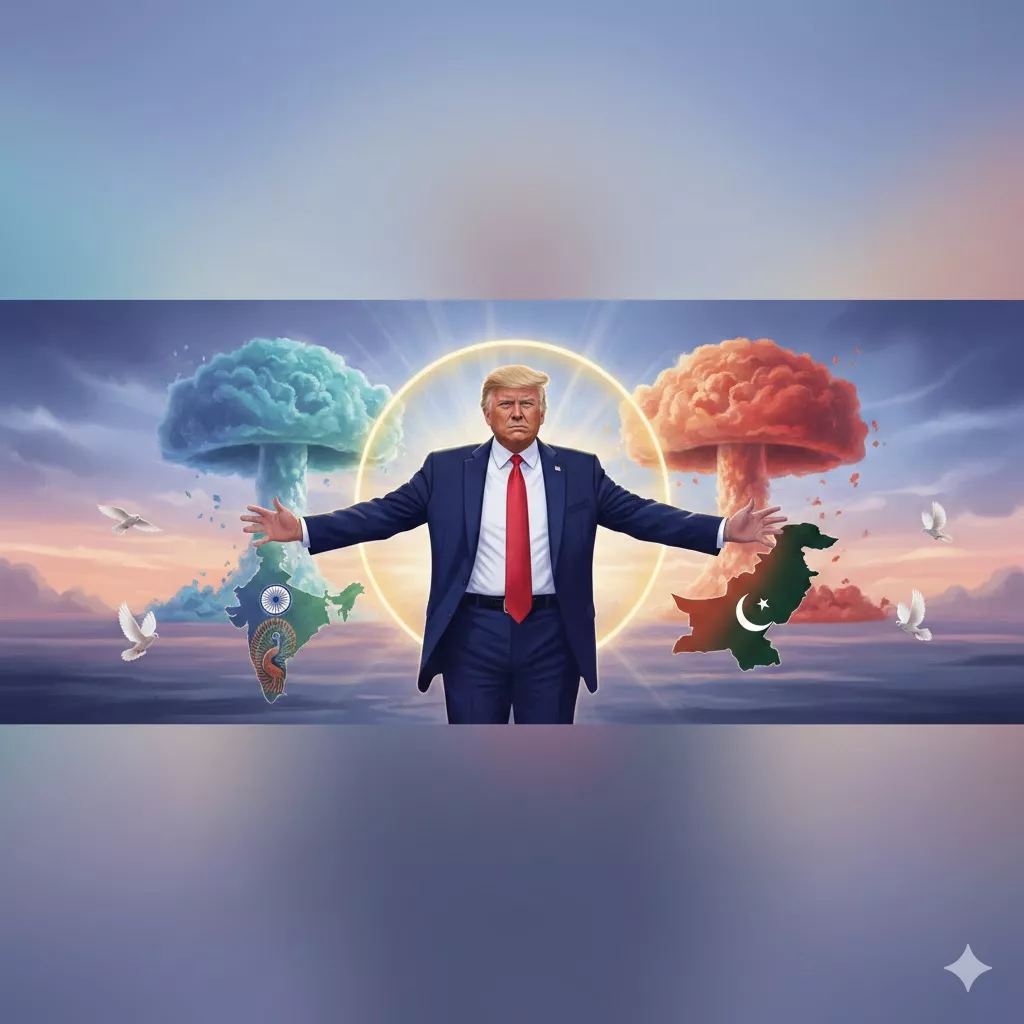
As of mid-January 2026, US President Donald Trump’s aggressive tariff policies continue to dominate India-US trade relations. The US has imposed steep 50% tariffs on Indian goods since August 2025, with additional pressures tied to India’s purchases of Russian oil. Recent developments include threats of even higher duties, ongoing negotiations, and India’s efforts to diversify trade amid declining US exports.
Current Status of US Tariffs on India
The US doubled tariffs on Indian imports to 50% in 2025, combining a 25% reciprocal tariff (announced in April 2025) and an additional 25% secondary tariff linked to India’s continued imports of discounted Russian crude oil. This makes India one of the most heavily tariffed nations under Trump’s “reciprocal” trade framework, even higher than rates on China in some cases.
- Trump’s Recent Warnings: In early January 2026, Trump stated the US could raise tariffs further if India does not curb Russian oil purchases, escalating pressure amid stalled trade talks.
- Proposed 500% Tariffs: Trump has backed a bipartisan Senate bill (Sanctioning Russia Act) allowing up to 500% tariffs on countries buying Russian energy products. Senator Lindsey Graham confirmed Trump “greenlit” this, potentially targeting India, China, and Brazil. The bill could be voted on soon, risking severe disruption to Indian exports.
India has reduced Russian oil imports in response, with refiners like Reliance reporting no Russian cargo in late 2025 and early 2026. However, this has not yet led to tariff relief.
Impact on India-US Trade
The tariffs have significantly affected bilateral trade:
- India’s exports to the US declined sharply, with shipments dropping over 20% in some periods post-tariff implementation. Overall US trade volume fell behind China in late 2025.
- Sectors hit hardest include textiles, gems and jewellery, engineering goods, chemicals, steel, aluminium, and seafood.
- In December 2025, India’s exports to China surged (up nearly 37% in the fiscal year to March 2026), while US shipments declined, prompting diversification efforts.
- Indian markets reacted negatively, with IT stocks falling and broader indices seeing declines amid trade uncertainty.
The US Supreme Court has delayed rulings on challenges to Trump’s tariff authority under the International Emergency Economic Powers Act (IEEPA), prolonging business uncertainty.
Ongoing Trade Negotiations and Diplomatic Efforts
Despite tensions, both sides remain engaged:
- New US Ambassador to India Sergio Gor (who arrived in January 2026) described the partnership as essential, stating “real friends can disagree but will always resolve differences.” He highlighted upcoming talks and met RBI Governor Sanjay Malhotra to discuss cooperation.
- Gor noted a fresh round of discussions soon, emphasizing determination to finalize a deal.
- India has denied stalling claims and pushed back with measures like a 30% tariff on US pulses (effective November 2025), affecting American farmers in states like North Dakota and Montana. US senators urged Trump to seek concessions on this in talks.
- India is pursuing alternative FTAs with the UK, Oman, New Zealand, and the EU to offset US losses.
PM Narendra Modi and Trump maintain a cordial personal relationship, but trade remains strained by issues like market access, non-tariff barriers, and energy ties.
Broader Implications for India
Trump’s tariffs threaten India’s export ambitions and manufacturing goals under initiatives like “Make in India.” MSMEs face credit and market challenges, with calls for Budget 2026 support like a “trade resilience fund.”
India’s strategic autonomy—balancing ties with Russia for energy security—has clashed with US demands. Additional Trump moves, like 25% tariffs on countries trading with Iran (January 2026), add complexity, though India’s Chabahar Port involvement has faced scrutiny.
Experts warn that without a breakthrough, prolonged tariffs could freeze trade flows. However, India’s diversification and reduced Russian oil dependence offer some mitigation.
Stay tuned for updates on the Senate bill, trade talks, and potential resolutions. For the latest on Trump tariffs India and global trade news, follow www.bharattone.com.

