








































































































































Hormuz Blockade: Fuel Prices Set to Rise in India

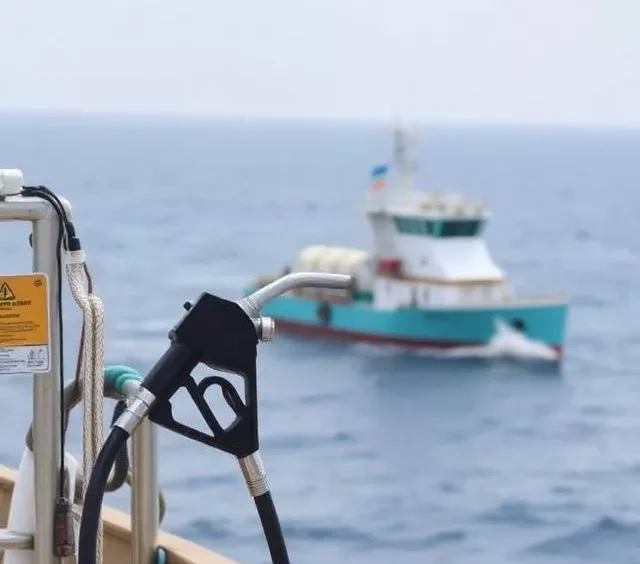
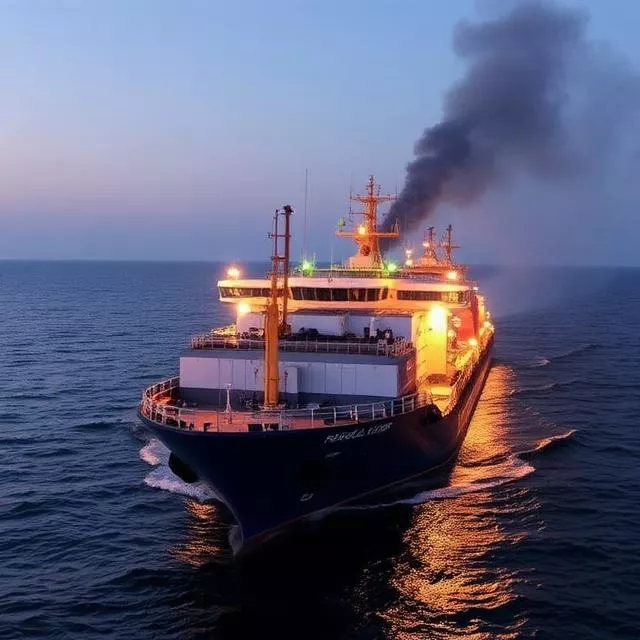
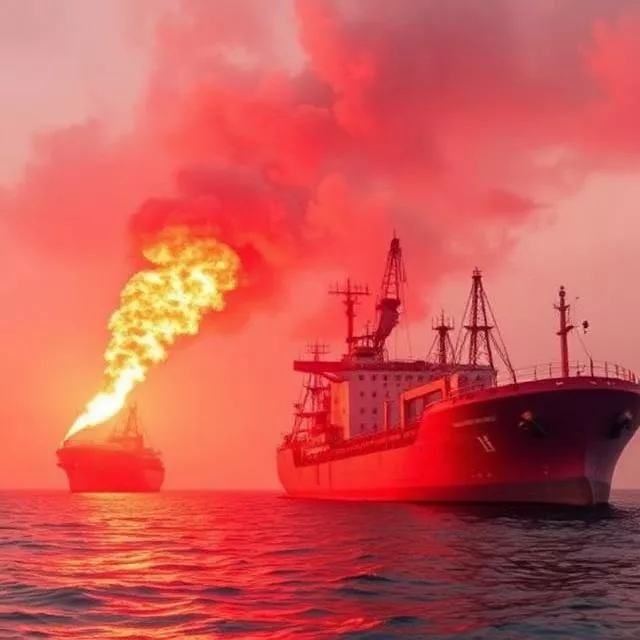
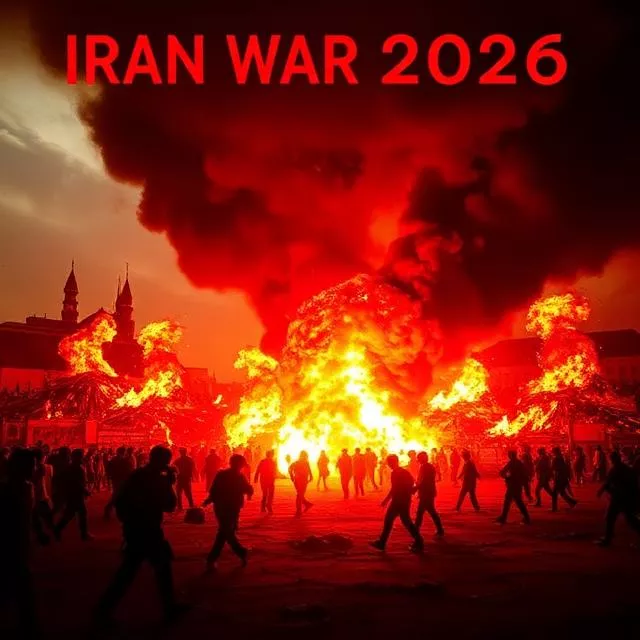
President Donald Trump’s decision to impose a U.S. naval blockade on the Strait of Hormuz after the collapse of U.S.-Iran talks in Islamabad has triggered a sharp surge in global oil prices. Brent crude has jumped over 8% and is now trading near or above $103 per barrel. For Bharat, this development directly threatens higher fuel and cooking gas prices, adding pressure on household budgets and inflation.
The Strait of Hormuz carries nearly 20% of the world’s oil and a massive share of LNG. India, despite successful diversification efforts, remains exposed — especially for LPG, where nearly 90% of imports historically transit this critical chokepoint.
Current Situation: Oil Prices Spike, Retail Fuel Steady for Now
As of April 13, 2026, petrol and diesel prices at Indian pumps remain largely stable due to government measures and oil marketing companies (OMCs) absorbing part of the under-recoveries. However, analysts warn of potential hikes within the next 7–10 days if crude oil sustains above $100–103 per barrel.
- Petrol & Diesel: Oil Marketing Companies are currently facing under-recoveries of around ₹11–14 per litre on petrol and higher on diesel. The government has already cut excise duty by ₹10 per litre on both fuels to ease the burden on OMCs and keep pump prices in check. Yet, prolonged high crude prices could force a revision.
- LPG (Domestic Cylinder): India imports about 60% of its LPG needs, with nearly 90% of these imports routed through or linked to the Strait of Hormuz. Disruptions have already caused booking delays and localized shortages in some cities. Commercial LPG prices have risen, and domestic 14.2 kg cylinders (currently around ₹912–950 in major cities) could see upward pressure soon.
Every $10 increase in global crude oil prices adds roughly ₹15–16 billion to India’s annual import bill and can push headline inflation by 55–60 basis points.
How the Blockade Directly Affects Common Indians
- Petrol & Diesel Prices
- Higher transportation costs for daily commuters, goods vehicles, and public transport.
- Farmers will face increased expenses for tractors, pumpsets, and transporting produce to markets.
- Small businesses and logistics operators could see squeezed margins, eventually leading to higher prices for essential goods.
- LPG (Cooking Gas) Impact
- With over 330 million LPG consumers in India, mostly households, any rise in cylinder prices hits the kitchen directly.
- Restaurants, hotels, and small eateries using commercial LPG are already reporting higher costs (₹2,000+ per 19kg cylinder in some areas).
- Black-market prices have reportedly touched ₹4,000–5,000 per cylinder in shortage-hit pockets.
- Broader Inflation and Economy
- Fuel and energy costs feed into almost every sector — from manufacturing to agriculture.
- A sustained blockade could widen India’s current account deficit, put pressure on the Rupee, and slow GDP growth.
- The government is using strategic reserves and diversified imports (especially from Russia and the U.S.) as a buffer, but the cushion is limited for a prolonged crisis.
Government’s Response and Atmanirbhar Measures
The Modi government is actively managing the situation:
- Aggressive diversification of crude oil sources (now from over 40 countries).
- Increased imports from friendly nations to reduce dependence on the Hormuz route.
- Excise duty cuts to shield consumers.
- Monitoring through the Ministries of Petroleum and External Affairs, with contingency plans in place.
India has built stronger strategic petroleum reserves compared to the past, providing a buffer of around 50–60 days in normal conditions. However, experts stress the urgent need to accelerate domestic production, renewables, and green hydrogen under the Atmanirbhar Bharat vision.
What Should Indians Expect in Coming Days?
- Short-term: Petrol and diesel prices may remain steady for a few more days due to duty cuts and OMC absorption. LPG supplies are being prioritized, but localized shortages are possible.
- Medium-term: If the blockade continues beyond the April 22 ceasefire expiry, retail price revisions cannot be ruled out.
- Long-term: This crisis reinforces the importance of reducing import dependence and building energy resilience.
Bharat Tone will keep you updated with city-wise fuel prices, government announcements, and practical tips on managing rising costs. In these challenging times, a strong and self-reliant Bharat must prioritize the interests of every citizen — from the farmer in the field to the homemaker in the kitchen.

