





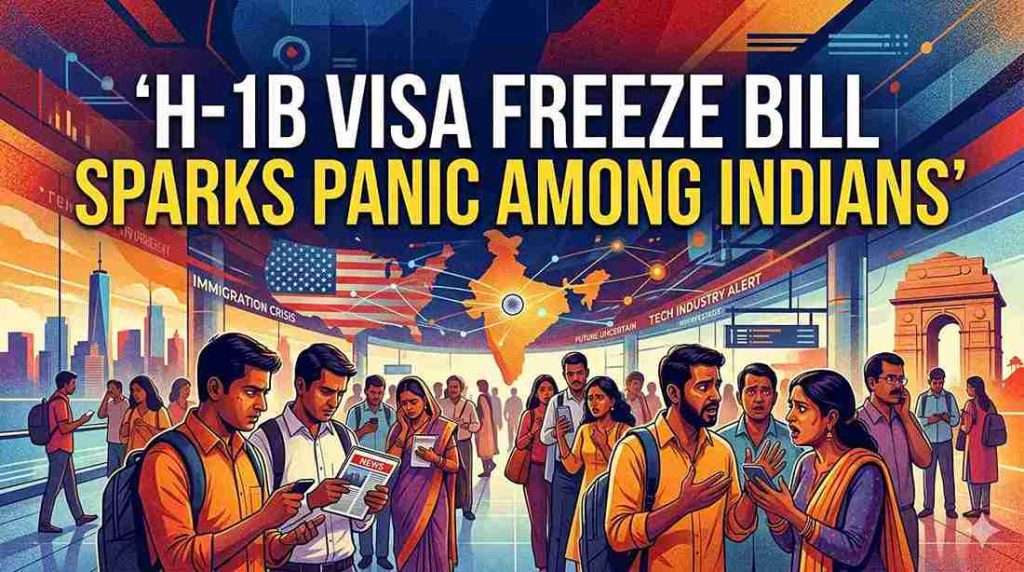



































































































































New H-1B Rules 2026: Big Impact on Indians

8 April 2026
The United States has introduced sweeping changes to the H-1B visa programme in 2026, marking one of the biggest reforms in recent years. These updates aim to prioritise higher-skilled, higher-paid foreign workers and reduce the hiring of entry-level or lower-wage talent from abroad.
For Indian professionals and students, who receive nearly 70% of all H-1B visas every year, these changes bring both new challenges and opportunities. Indians dominate the programme, especially in IT, software engineering, data science, AI, and consulting sectors.
Key Changes in H-1B Rules for 2026
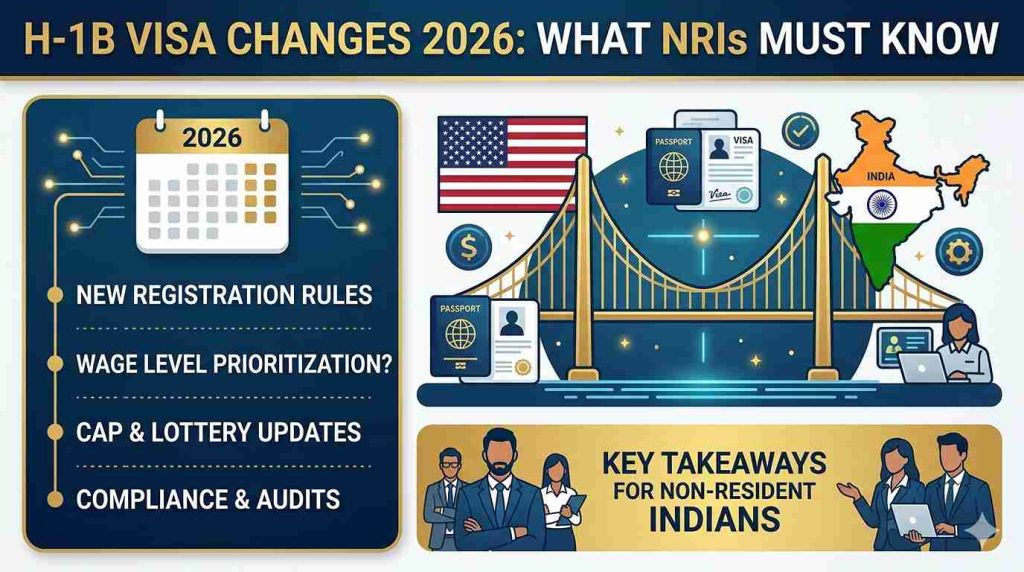
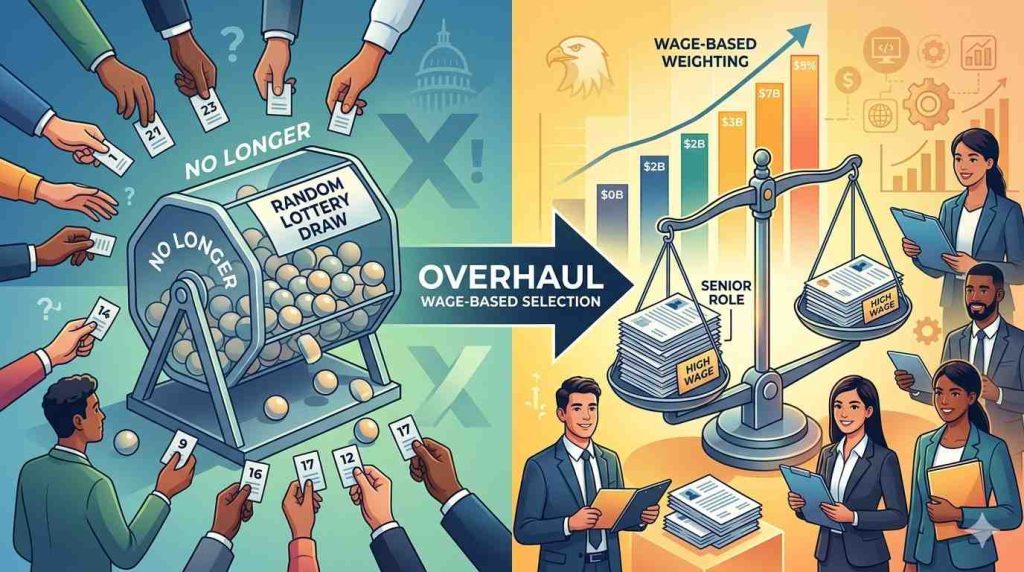
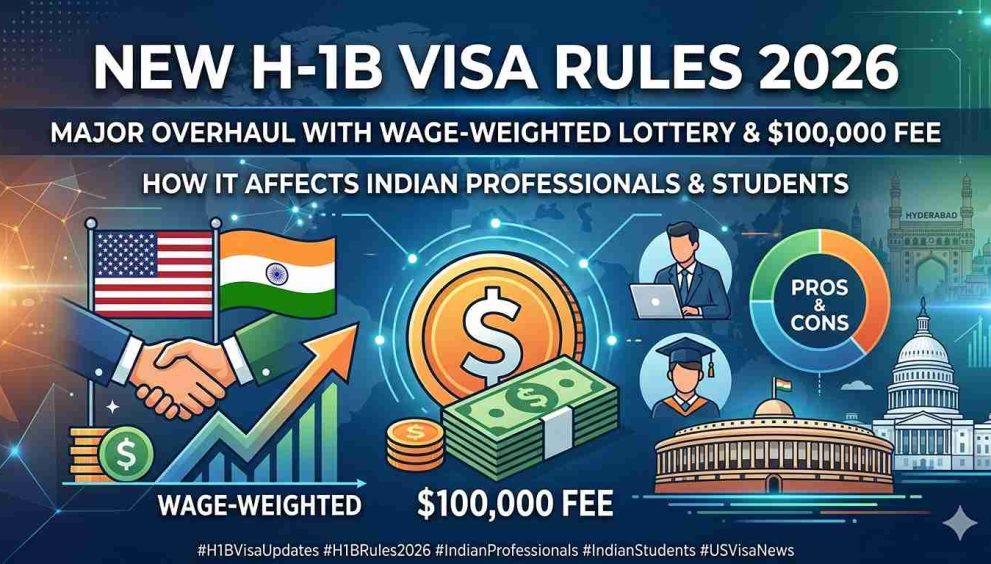
- Wage-Weighted Lottery System (Effective February 27, 2026) The old random lottery has been replaced by a wage-based weighted selection. Now, each registration gets multiple “entries” in the lottery pool depending on the offered salary level (based on the U.S. Department of Labor’s four wage levels):
- Wage Level IV (highest): 4 entries
- Wage Level III: 3 entries
- Wage Level II: 2 entries
- Wage Level I (entry-level): Only 1 entry
- New $100,000 Supplemental Fee A Presidential Proclamation has introduced a hefty $100,000 fee for many new H-1B petitions involving workers entering the US for the first time. This fee does not apply to those already in the US on OPT or changing status.
- Higher Prevailing Wage Requirements Proposals are underway to significantly increase minimum wage levels (up to 21–33% in some categories). Entry-level positions will face the biggest impact.
- New Form I-129 Mandatory from April 1, 2026 Employers must use the updated form, which collects more detailed information on wages, job duties, and qualifications.
How These Changes Impact Indians
Challenges for Fresh Graduates & Entry-Level Talent
- Indian students completing OPT (especially STEM graduates) will find it much harder to win the H-1B lottery for junior roles.
- Entry-level positions now have the lowest selection chances, forcing many young engineers and IT professionals to reconsider their US career plans.
Better Chances for Experienced Professionals
- Senior Indian engineers, architects, managers, and specialists in high-demand fields like AI, cybersecurity, cloud computing, and data science with competitive salaries will have significantly higher selection odds.
- Companies are likely to sponsor experienced Indians already working in the US rather than fresh hires from India.
Impact on Indian IT Companies
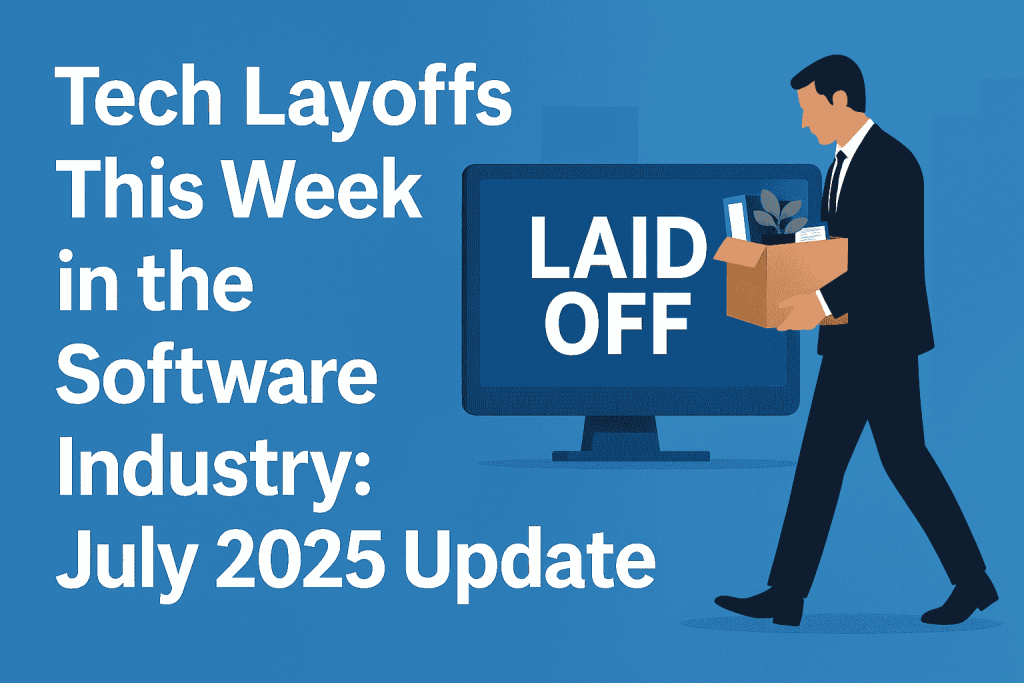
- Firms like TCS, Infosys, Wipro, HCL, and other outsourcing giants may face higher costs and slower sponsorship for large numbers of entry-level workers.
- Many companies are now shifting focus to higher-value projects, local US hiring, or expanding operations back in India.
Broader Effects on the Indian Diaspora
- Remittances & Family Plans: Fewer new H-1B approvals could slow future inflows of talent and affect long-term remittance trends.
- Talent Return to India: Some professionals are exploring options to return and contribute to India’s booming tech ecosystem, while others are turning to alternative visas like O-1 (Extraordinary Ability) or EB-2 NIW (National Interest Waiver).
- Green Card Focus: With H-1B becoming more uncertain, many Indians are accelerating their permanent residency (green card) applications through EB-2 and EB-3 categories.
What Indian Professionals Should Do Now
- Students & Recent Graduates: Build strong profiles with internships, projects, publications, or specialised skills. Target higher-paying offers or explore alternatives like O-1 and EB pathways.
- Experienced Professionals: Focus on extensions, transfers, and green card processes. Aim for senior roles with competitive compensation.
- Job Seekers: Upskill in emerging technologies and network aggressively. Consider opportunities in India’s growing tech sector as companies expand here.
- Employers in India: Prepare for changes in global hiring strategies and invest in domestic talent development.
BharatTone Takeaway
The 2026 H-1B reforms reflect America’s push to attract top-tier global talent while protecting its own workforce. For India — the largest supplier of H-1B professionals — this is a clear signal: quality, expertise, and higher value will matter more than ever.
While entry-level opportunities may shrink, skilled and experienced Indian professionals still have strong prospects. At the same time, these changes highlight the importance of reducing over-dependence on any single visa route and strengthening India’s own tech and innovation ecosystem.
Indian talent has always been a key driver of global tech progress. With smart planning, upskilling, and strategic career moves, our professionals can continue to shine — whether in the US or by building world-class companies back home.
BharatTone Appeal to Readers: If you are an Indian student, working professional, or employer affected by these H-1B changes, share your thoughts in the comments. Are you planning to upskill, explore alternatives, or return to India? How do you see the future of Indian talent in the global job market?
Stay tuned to BharatTone.com for regular updates on H-1B developments, green card backlogs, alternative visa options, and opportunities for Indian professionals worldwide.
Based on official USCIS and DHS rules as of April 8, 2026.