





















































































































Holi 2026 Worldwide: Holika Dahan, Safe Colors & Tips


Holi 2026 Worldwide: Holika Dahan, Safe Colors & Tips
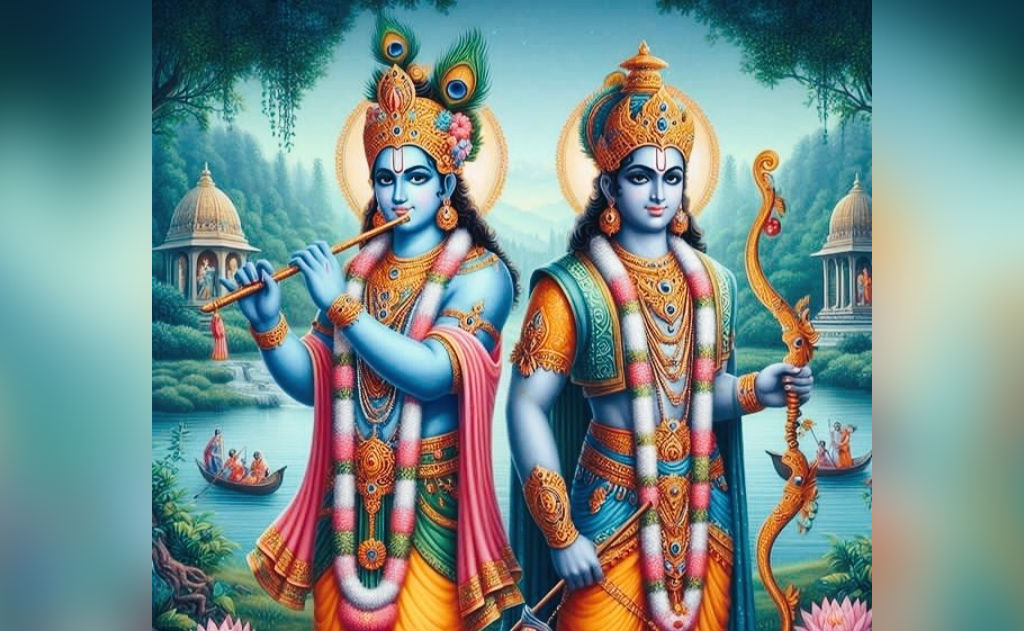
In the radiant embrace of Sanatana Dharma, Holi blooms as the joyous Festival of Colors, a divine celebration of spring’s arrival, the triumph of good over evil, and the eternal bond of love and devotion. As the Vishnu Purana and Bhagavata Purana narrate, this sacred occasion commemorates Prahlada’s unwavering bhakti, where Lord Narasimha protected His devotee from the demoness Holika’s fiery trap, symbolizing that sincere surrender to the Divine burns away all negativity. Another cherished leela from the Bhagavata Purana depicts Lord Krishna playfully showering colors on Radha and the gopis, teaching us the beauty of unconditional love and forgiveness.
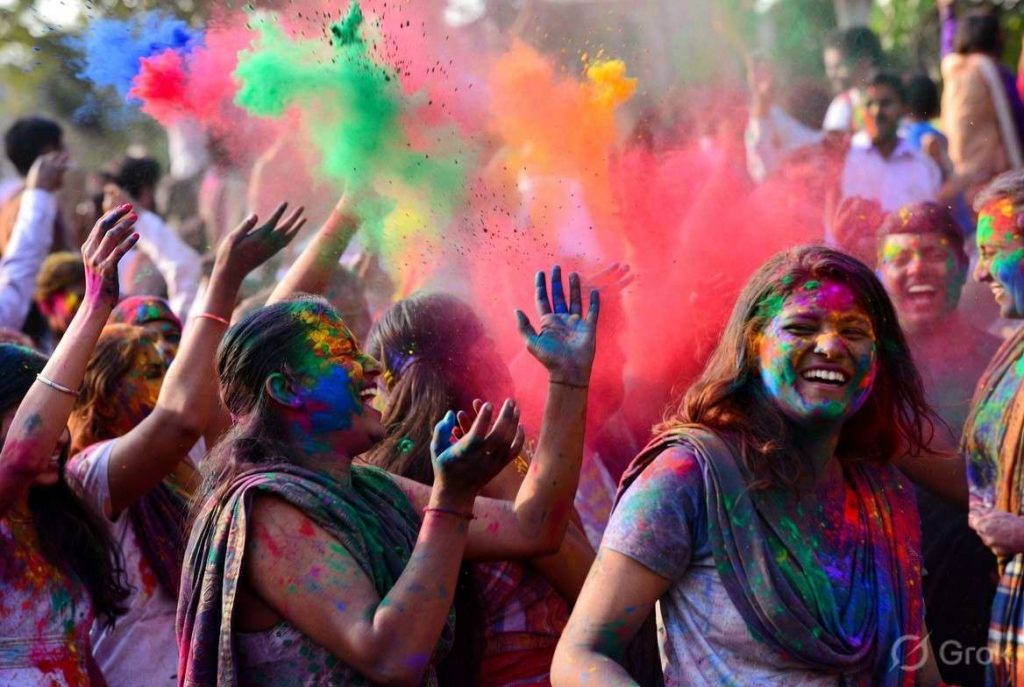
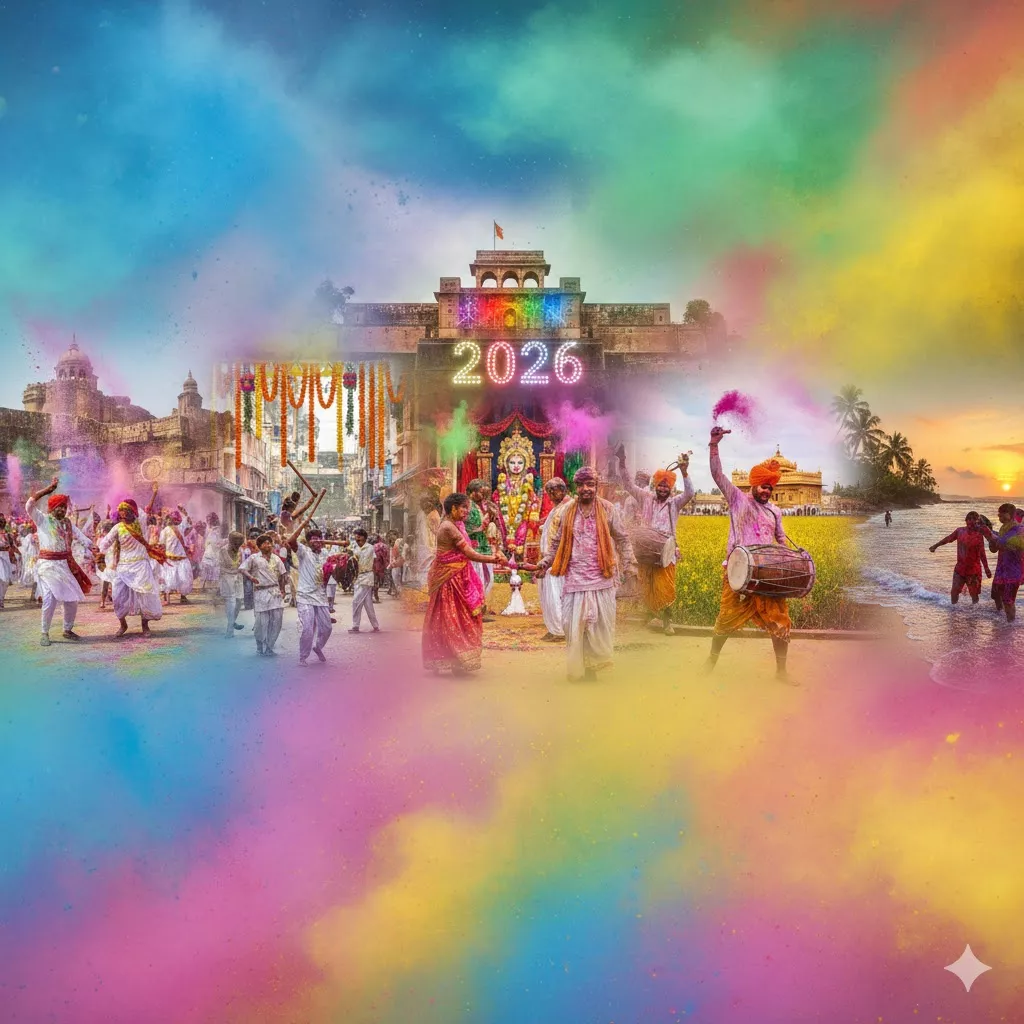
Holi invites devotees to let go of grudges, embrace unity, and welcome renewal with hearts full of gratitude. In 2026, Hindus worldwide will celebrate this vibrant utsava with faith and fervor, adapting traditions to local climates and communities while preserving its spiritual essence.
This comprehensive guide explores Holi 2026 dates, Holika Dahan rituals, safe and eco-friendly color play, practical tips, and regional variations—especially for Hindus in the USA and Canada. Rooted in timeless scriptures, it offers devotional insights and practical guidance for a meaningful, family-friendly observance.
Holi 2026 Dates: Holika Dahan and Rangwali Holi
Holi aligns with Phalguna Purnima (full moon in Phalguna month), a highly auspicious tithi for purification and joy.
- Holika Dahan (Chhoti Holi): Tuesday, March 3, 2026 (evening after sunset).
- Rangwali Holi (Dhulandi / Color Play): Wednesday, March 4, 2026.
These dates follow the standard Indian panchang (New Delhi/India timezone), where Purnima tithi begins March 2 evening and ends March 3 evening. Holika Dahan occurs in Pradosh Kaal (twilight) on March 3, with auspicious muhurat approximately 6:22 PM to 8:50 PM IST (adjust for local time).
In the USA and Canada, devotees observe the same lunar alignment—Holika Dahan on March 3 evening and main Holi on March 4—regardless of local full moon timing, honoring Indian traditions. Communities often host events on weekends near these dates for convenience.
Spiritual Significance of Holi
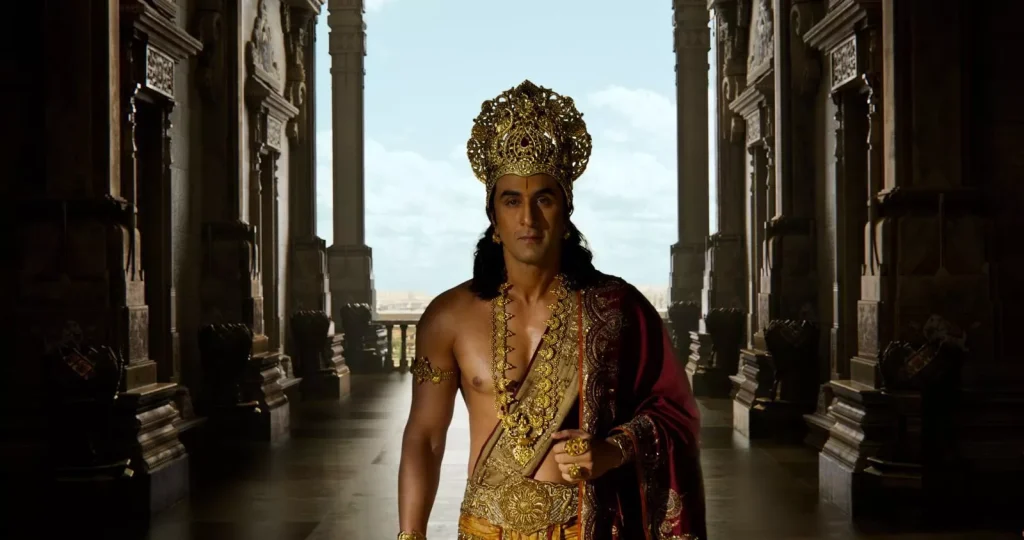
Holi transcends mere festivity; it embodies dharma’s victory. The Vishnu Purana recounts Hiranyakashipu’s tyranny and Prahlada’s devotion, where Holika’s attempt to burn Prahlada in fire backfired due to his faith—Holika perished, Prahlada emerged unscathed. This leela teaches that evil self-destructs in the presence of true bhakti.
The Krishna-Radha story in the Bhagavata Purana adds layers of divine romance: Krishna, teased for his dark complexion, playfully applied colors to Radha, initiating the tradition of color play as an expression of pure, joyful love.
Holi signifies:
- Renewal after winter.
- Forgiveness and harmony.
- Equality beyond caste, creed, or status.
- Welcoming Vasanta Ritu (spring) with sattvic joy.
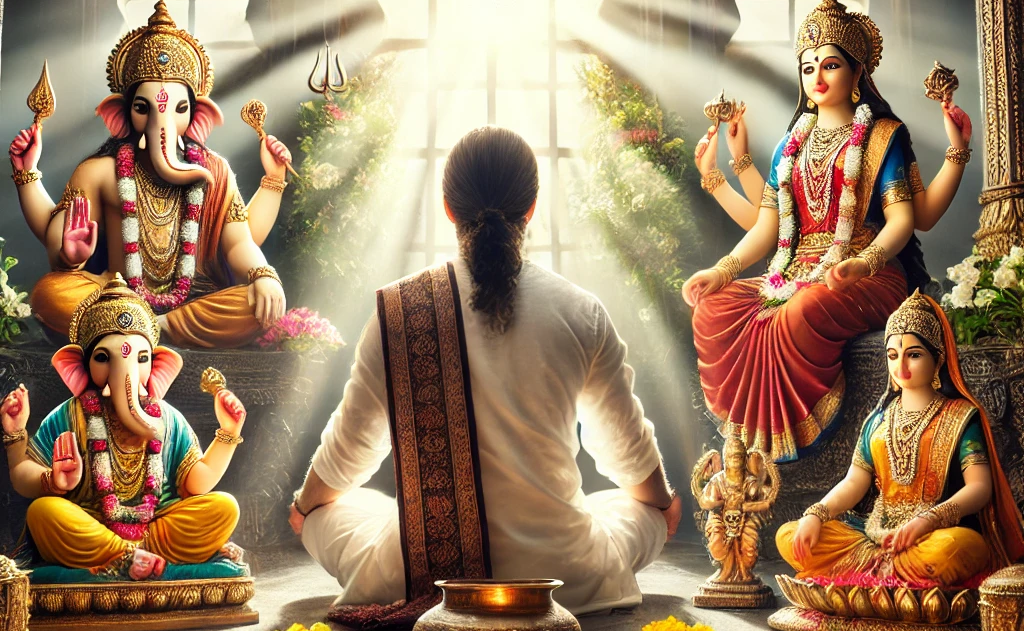
Devotees perform these rituals with purity to invite divine blessings for health, prosperity, and spiritual growth.
Holika Dahan Rituals and Puja Vidhi
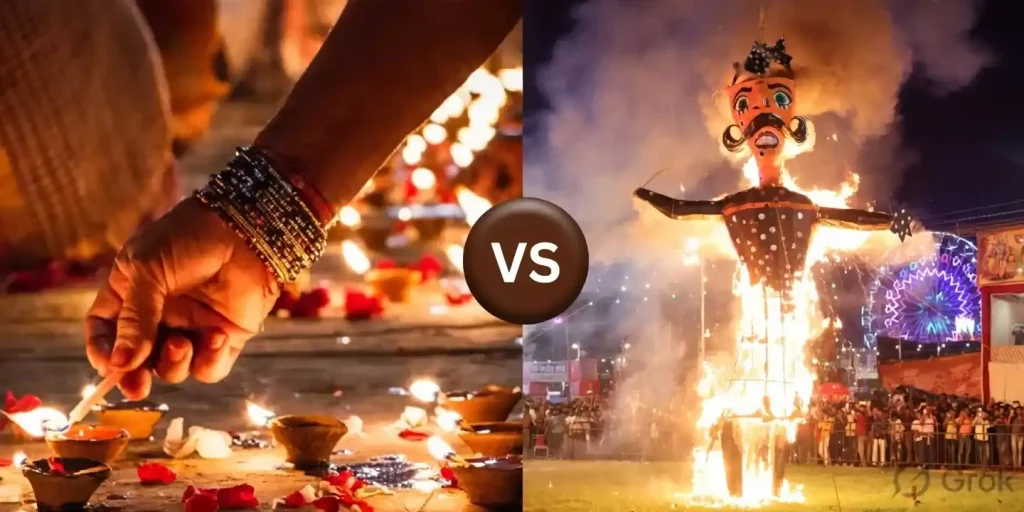
Holika Dahan, the bonfire ritual, symbolizes burning negativity.
Significance: As per Puranas, it destroys ego, sins, and obstacles.
Step-by-Step Guide:
- Preparation: Collect dry wood, cow dung cakes, grains, and cow ghee. Build a small pyre; place Holika idol (made of cow dung or paper) atop with Prahlada’s symbolic figure below.
- Evening Puja: After sunset (Pradosh Kaal), light the fire circumambulating thrice.
- Offerings: Toss sesame seeds, barley, popcorn, and ghee into flames while chanting “Om Namo Narayanaya” or Holika mantras.
- Prayers: Seek protection from evil; reflect on Prahlada’s devotion.
- Community Aspect: Gather family/neighbors for bhajans; distribute warmth from the fire.
Practical Tips: Use safe, small bonfires; follow local fire regulations (especially in USA/Canada); opt for eco-friendly materials.
In temples worldwide, special aartis and kirtans enhance the atmosphere.
Safe and Eco-Friendly Color Play Tips
Traditional Holi uses natural colors, but modern synthetic ones can harm skin and environment. Embrace sattvic, safe practices.
Eco-Friendly Alternatives:
- Natural Gulal: Made from turmeric (yellow), beetroot (pink/red), spinach (green), indigo (blue), gram flour base.
- Homemade Recipes:
- Yellow: Turmeric + chickpea flour.
- Red/Pink: Red sandalwood or dried hibiscus.
- Green: Henna or mint leaves powder.
- Water Play: Use organic water balloons or buckets; avoid chemical-filled pichkaris.
Safety Guidelines:
- Apply coconut oil before playing to protect skin.
- Wear old clothes; protect eyes with goggles.
- Stay hydrated; avoid excessive thandai with bhang.
- Clean up colors promptly to prevent stains or environmental harm.
- For children/elderly: Use gentle, washable herbal colors.
In USA/Canada: Many communities organize “Green Holi” events with plant-based powders, emphasizing sustainability.
Regional Variations and Celebrations Worldwide
Holi’s essence remains universal, yet expressions vary.
In India:
- North: Massive color play, gujiya feasts.
- Mathura/Vrindavan: Lathmar Holi, ras leela.
- South: Kama Dahanam focus in some areas.
In USA:
- Large events in New York (Times Square Holi), California (Festival of Colors in Spanish Fork, Utah—though not exclusively Hindu), New Jersey, Chicago.
- Temple-organized: ISKCON centers host public celebrations with kirtan, vegetarian feasts.
- Home gatherings: Family pujas, natural colors, cultural programs.
In Canada:
- Toronto, Vancouver, Brampton host community events with bonfires, dances.
- Hindu temples (e.g., in Mississauga) perform Holika Dahan; public festivals promote inclusivity.
- Winter adaptations: Indoor events or weekend gatherings.
Worldwide diaspora adapts: Virtual kirtans, small home bonfires (if permitted), emphasis on forgiveness and charity.
Practical Guide: Celebrating Holi 2026 Devotionally
- Preparation: Clean home; prepare natural colors, sweets (gujiya, malpua).
- Holika Dahan (March 3 Evening): Perform puja, light bonfire safely.
- Rangwali Holi (March 4): Start with morning puja; play colors mindfully.
- Feast: Share sattvic foods; offer to deities.
- Acts of Kindness: Forgive others; donate to needy.
- Reflection: Meditate on divine love; chant Hare Krishna or Vishnu mantras.
For NRIs in USA/Canada: Check local temple calendars; join community events for collective joy.
Holi 2026 invites us to color our lives with devotion, forgiveness, and eco-conscious joy. May Lord Krishna shower His playful blessings, filling hearts with eternal spring.
Hari Bol! Radhe Radhe!
For More Devotional Journey, Follow
- Temples
https://hindutone.com/temples/ - Tirumala Updates
https://hindutone.com/tirumala/ - Sabarimala Yatra
https://hindutone.com/category/sabarimala-yatra/ - Pooja, Slokas & Mantras
https://hindutone.com/pooja-slokas-and-mantras/ - Hindu Gods
https://hindutone.com/hindu-gods/

