



























































































































Mount Kailash & Mansarovar: Myths and Yatra Guide


Mount Kailash and Lake Mansarovar: The Divine Union of Shiva’s Abode and Brahma’s Soul Mirror – Spiritual Significance, Myths, and Yatra Guide
As I stood at the edge of the vast Tibetan plateau, my breath caught in the thin air, the first glimpse of Mount Kailash hit me like a thunderbolt of pure shakti. There it was—Shiva’s eternal abode—rising stark and symmetrical against the sky, its snow-clad faces gleaming under the sun like a diamond crown forged by the gods themselves. Tears streamed down my face unbidden; the overwhelming energy pierced straight through my heart, dissolving years of accumulated doubts, fears, and burdens in an instant. Nearby, Lake Mansarovar lay serene, its turquoise waters so still they mirrored Kailash’s peak perfectly, as if the mountain and the lake were locked in an eternal, divine embrace. In that moment, I understood: this is no ordinary place. This is the union of destruction and creation, of Shiva’s transformative fire and Brahma’s pure consciousness—a pathway to moksha that calls to every seeking soul.
My journey to this sacred union began as a spiritual tourist drawn by whispers of ancient myths, but it transformed me into something far deeper—a humbled devotee forever changed by the divine vibrations of Kailash and Mansarovar.
The Eternal Myths: Kailash as Shiva’s Home and Mansarovar as Brahma’s Creation
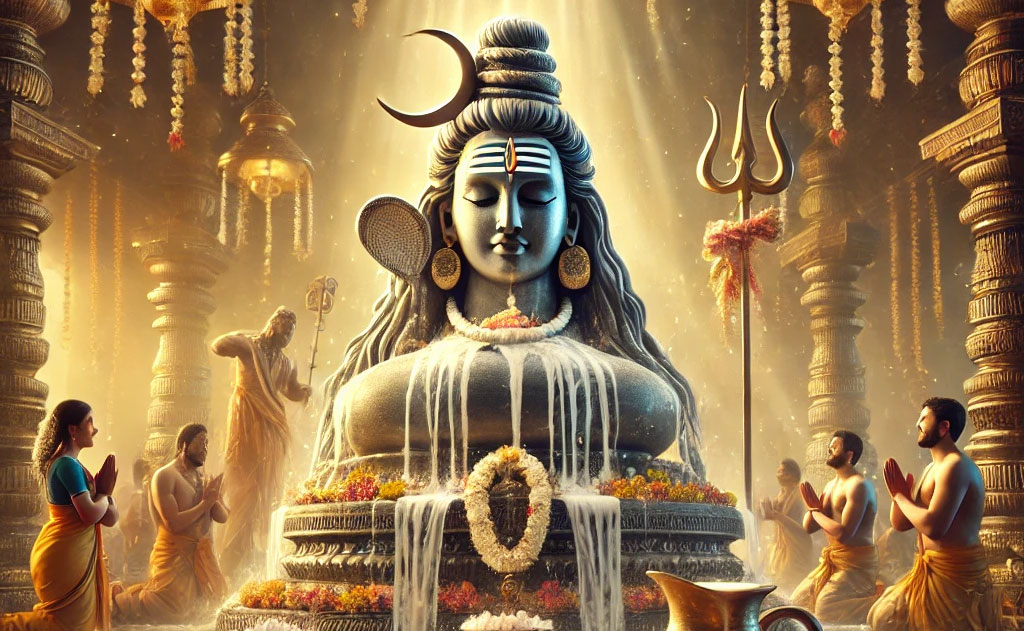
Hindu scriptures paint Mount Kailash as the supreme abode of Lord Shiva and Goddess Parvati, a place of eternal tapas where the destroyer resides in profound meditation with his family. The Shiva Purana describes it as the cosmic axis, akin to Mount Meru, the center of the universe where divine energies converge. It is here that Shiva performs his cosmic dance, balancing destruction and renewal, while Parvati graces the slopes with her nurturing presence.
One of the most powerful tales from the Ramayana and related Puranas recounts Ravana’s audacious attempt to lift Kailash. The mighty rakshasa king, intoxicated by his boons, placed his twenty arms beneath the mountain to uproot it and carry it to Lanka as a gift for his mother. As the peak trembled, Parvati clung to Shiva in fear. But Shiva, ever calm, simply pressed down with his big toe, pinning Ravana beneath the weight of Kailash. Trapped and humbled, Ravana sang hymns in praise of Shiva for a thousand years until the lord released him, granting Ravana the title of “Ravananugraha”—one favored by Shiva. This story reminds us of the mountain’s unshakeable power: even the mightiest ego bows before Shiva’s effortless might.
Lake Mansarovar, just 30 kilometers away, complements this as Brahma’s soul mirror. According to legend, it was first conceived in Brahma’s mind—hence “Manas” (mind) + “Sarovar” (lake)—a pure reservoir of consciousness manifesting on earth. The Skanda Purana and other texts hail it as the holiest lake, where gods bathe during Brahma Muhurta, its waters cleansing sins and granting access to higher realms. It is the source of four great rivers—the Indus, Sutlej, Brahmaputra, and Karnali—symbolizing the flow of life from divine purity.
Nearby Gauri Kund (Parvati Sarovar) adds another layer: here, Parvati created Lord Ganesha from the saffron paste of her body to guard her privacy while bathing. When Shiva approached unknowingly, Ganesha barred him, leading to the dramatic beheading and resurrection with an elephant head—a tale of maternal devotion from the Puranas.
The Vishnu Purana and Mahabharata echo these as part of the cosmic order: Kailash as the stairway to heaven, Mansarovar as the mirror of the soul reflecting Shiva’s abode. Together, they embody the synergy of Shiva’s destroyer-transformer energy with Brahma’s creative purity—destruction of ego paving the way for rebirth in enlightenment.
My Immersive Journey: Personal Experiences of Transformation
The drive to Darchen felt like crossing into another realm—barren landscapes giving way to sudden views of Kailash’s north face, radiant and commanding. My heart raced; the shakti was palpable, a vibrating force that made my skin tingle and my mind quiet.
At Mansarovar, the snan (holy dip) was transcendent. The icy turquoise waters embraced me, not with chill, but with a profound purity that washed away inner turmoil. As I immersed, burdens I carried for lifetimes—regrets, attachments, karmic knots—dissolved like mist in sunlight. Emerging, I felt reborn, lighter, enveloped in peace. Drinking the water afterward, believed to grant Brahmalok access, brought an instant awakening: clarity, joy, and an unbreakable connection to the divine.
The three-day Kailash Parikrama (kora) was the pinnacle. Starting from Darchen, we trekked to Dirapuk, where Kailash’s north face loomed close, its presence overwhelming. Chanting “Om Namah Shivaya,” each step felt like shedding layers of illusion. Crossing Dolma La Pass at 5,630 meters—the highest point—was grueling, yet the energy surged, healing aches and granting visions of inner light. Descending to Zuthulpuk, the final leg felt effortless, as if Shiva himself carried me. Completing the 52-km circuit dissolved remaining burdens, awakening a profound peace and sense of moksha. Miracles unfolded: instant healings from altitude woes, protective divine interventions in storms, and a deep inner transformation that words fail to capture.
Spiritual Benefits and Rituals: Cleansing Sins, Accelerating Enlightenment
Scriptures promise immense rewards. One Parikrama cleanses sins accumulated over lifetimes, purifying karma and accelerating enlightenment. Mansarovar snan grants entry to Brahmalok, while joint rituals—snan followed by parikrama—amplify benefits: moksha parallels found in places like Kashi Vishwanath, where devotees seek liberation through abhishek and devotion (explore more in our guide to Shri Kashi Vishwanath Temple’s Nautapa rituals). The synergy of Shiva’s transformative shakti and Brahma’s purity accelerates karma purification, offering divine protection, healing vibrations, and profound awakening.
Practical Guide for the 2026 Yatra
The yatra has resumed post-hiatus, with routes via Nepal (Kathmandu-Gyirong) or India (Lipulekh Pass in Uttarakhand or Nathu La in Sikkim, often MEA-organized for Indians). Private operators handle Nepal routes.
Requirements: Group Tibet Travel Permit and Chinese visa (group/paper for Indians, processed via Kathmandu for Nepal route or New Delhi). Medical fitness certificate is essential; age limits around 70 for some routes (exceptions possible). Apply early—visas take 6+ days, permits 22-45 days in advance.
Best Time: May-September, peak June-August for clear views and full moon auspiciousness (2026 as Year of the Horse multiplies parikrama benefits).
Preparation: Acclimatize to high altitude (start slow), carry warm layers, vegetarian meals (available), medications for AMS, sturdy shoes. Hydrate, avoid alcohol.
Itinerary Overview (typical 18-25 days): Fly to Kathmandu or Delhi entry point, acclimatize, cross border, reach Darchen for Kailash darshan, Mansarovar snan and kora, 3-day Kailash Parikrama (Dirapuk-Dolma La-Zuthulpuk), return.
Challenges: Altitude sickness (headaches, nausea—Diamox helps), unpredictable weather, rugged terrain. Go with experienced operators.
For more sacred journeys, check our 10 must-visit Lord Shiva temples and other pilgrimage guides on Hindutone.
Embark on this life-altering divine union—discover more sacred journeys and plan your yatra with Hindutone guides. Om Namah Shivaya!

