









































































































Maduro Capture 2026: U.S. Forces Arrest Venezuelan Dictator Nicolás Maduro – Global Shockwaves, India’s Perspective on Regional Stability

Maduro Capture 2026: U.S. Forces Arrest Venezuelan Dictator Nicolás Maduro – Global Shockwaves, India’s Perspective on Regional Stability
In Miami’s Doral neighborhood – a hub for Venezuelan exiles often dubbed “Doralzuela” – 48-year-old Luis Ramirez fell to his knees on January 3, 2026. As breaking news confirmed the Maduro capture 2026 – U.S. forces had arrested Venezuelan President Nicolás Maduro and his wife Cilia Flores – tears of overwhelming joy and relief flowed down Luis’s face. “This is the day we’ve waited years for,” Luis said through sobs, clutching a photo of his missing daughter, taken by regime security forces in 2021 for joining protests. For Luis and millions of exiles who fled Caracas after losing homes, businesses, and loved ones, the Maduro capture 2026 feels like liberation. From Florida to Spain, the Venezuelan diaspora erupted in celebration, waving flags and chanting “¡Libertad!” on streets. Yet amid the jubilation, critical questions arise: What lies ahead for Venezuela? And what does this mean globally, especially for nations like India that prioritize regional stability, sovereignty, and energy security – given Venezuela’s status as holder of the world’s largest oil reserves?
The Maduro capture 2026 stands as one of the boldest moves in U.S. foreign policy, hailed by President Donald Trump as a victory against “narco-terrorism.” Highly controversial worldwide, it is viewed by some as delivering justice and by others as a breach of sovereignty. From India’s viewpoint, this event ties into Latin American stability and energy security. This report details the operation, shares victims’ painful stories under Maduro’s regime, explores hopes for reforms, and examines the debates on intervention.
Operation Absolute Resolve: Full Details of Maduro’s Capture
The Maduro capture 2026 began in the early hours of January 3, 2026, with explosions echoing across Caracas and northern Venezuela. Led by Delta Force operators, U.S. special forces conducted precision strikes on military sites. Using helicopters and drones, they raided areas including Fort Tiuna and stormed Maduro’s compound.
Maduro and his wife were captured in under 30 minutes. Reports indicate heavy resistance, with several guards killed and seven U.S. personnel injured. The couple was quickly airlifted to a U.S. vessel and then to New York.
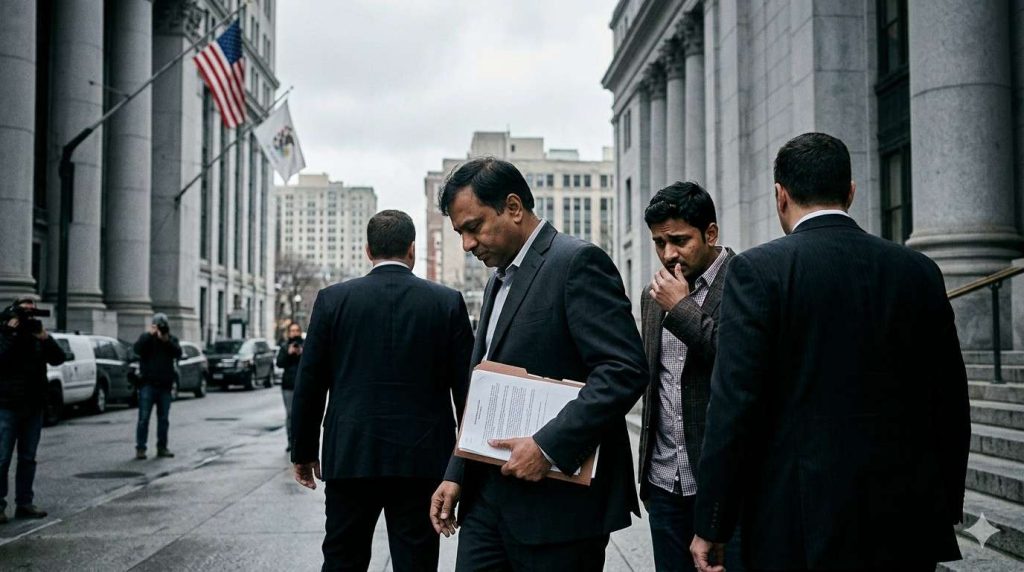
Trump announced the Maduro capture 2026 on social media, posting images and calling it a win over a “narco-regime.” He initially said the U.S. would “run” Venezuela during the transition, later clarified by officials as temporary stabilization measures. On January 5, the couple appeared in New York court, pleading not guilty to charges of narco-terrorism, drug trafficking, and weapons offenses. Maduro defiantly declared himself a “prisoner of war.”
The operation draws comparisons to the 1989 arrest of Panama’s Manuel Noriega but on a much larger scale.
Victims Under Maduro’s Regime: Heart-Wrenching Stories of Oppression and Rights Abuses
The Maduro capture 2026 has amplified the voices of millions silenced for years. Once Latin America’s richest nation, Venezuela is now in deep crisis – over 7 million people have fled, poverty exceeds 80%, malnutrition is rampant, and healthcare has collapsed.
Former political prisoner Ana López, now exiled in Colombia, recounts: “In 2019, I was arrested for protesting shortages. Electric shocks, starvation, threats to my family – that was daily life.” UN and Amnesty reports document thousands of arbitrary arrests, extrajudicial killings, and sexual violence by security forces.
Journalist Miguel Torres had to shut his media house as colleagues were jailed. “No freedom of expression – only fear.” After the disputed 2024 elections, hundreds disappeared in crackdowns on protests. One mother shared how regime forces took her daughter, with no news since.
The economic crisis broke ordinary lives – queuing for bread, children dying from lack of medicine. The Maduro capture 2026 is the first ray of justice for these victims.
Hopes for Reform: A New Dawn for Venezuela?
Following the Maduro capture 2026, prospects for change are emerging. Opposition leaders Edmundo González and María Corina Machado demand free elections and a transitional government.
Oil is key – with the world’s largest reserves, production could rebound if sanctions lift and investment flows in. This could drive GDP recovery, reduce poverty, and reverse migration. Judicial independence, media freedom, and probes into rights abuses become possible.
The interim government under Vice President Delcy Rodríguez has signaled openness to dialogue. However, reports of increased repression in Caracas persist. For countries like India, a stable Venezuela means stronger energy supplies.
Debate on Intervention: Sovereignty, Law, and Global Impact
The Maduro capture 2026 has sparked intense global controversy. Supporters see it as enforcing 2020 U.S. indictments on narco-terrorism. Critics, including Brazil, Mexico, and China, call it a violation of sovereignty.
International law experts argue military action without consent constitutes aggression. In the U.S., debates rage over presidential war powers. Maduro’s “prisoner of war” claim complicates the trial.
From India’s perspective – a consistent advocate for sovereignty and non-intervention as seen in UN positions – this is significant. Yet protecting human rights and democracy matters too. The event challenges the global order.
Toward an Uncertain Future
The Maduro capture 2026 ends a dark chapter but brings new challenges. Victims gain relief, reformers see opportunity, and the world learns lessons.
For exiles like Luis Ramirez, it’s a moment of profound joy – hope that a broken nation can heal. India and the international community watch closely, hoping for stability over chaos.