

































































































































































Infosys Deploys AI Coder Devin: Sparks Fears of Job Losses for Freshers and Junior Developers in IT Sector


Infosys Deploys AI Coder Devin: Sparks Fears of Job Losses for Freshers and Junior Developers in IT Sector
Hyderabad, January 12, 2026 – Indian IT giant Infosys has partnered with US-based AI startup Cognition to deploy Devin, the world’s first fully autonomous AI software engineer, across its internal operations and global client projects. This move, aimed at boosting productivity and accelerating software development, has ignited widespread concerns about potential job losses, especially for freshers and junior developers in India’s competitive IT services industry.
What is Devin AI?
Devin, developed by Cognition, is an advanced AI coding agent capable of independently handling complex engineering tasks. It can:
- Write and debug code
- Fix bugs
- Migrate legacy systems (e.g., COBOL to modern frameworks)
- Run tests
- Manage end-to-end development workflows
With minimal human intervention, Devin acts like a virtual junior engineer, promising significant efficiency gains. Infosys has already tested Devin internally for the past six months, reporting material improvements in engineering quality, speed, and cost savings—particularly in areas like legacy migrations and modernization projects.
The partnership integrates Devin with Infosys Topaz Fabric, the company’s multi-layer AI services suite, to create a composable, agent-ready ecosystem. This enables faster time-to-market, reduced modernization timelines, and enhanced developer productivity for enterprises worldwide.
Infosys’ Official Stance
Announced on January 7, 2026, the collaboration focuses on three key areas:
- Internal productivity — Accelerating development within Infosys teams.
- Client delivery — Embedding Devin in client projects for faster outcomes.
- Customer environments — Enabling direct deployment in clients’ engineering setups.
Infosys has begun rolling out Devin in its Financial Services practice, covering banking, payments, capital markets, insurance, and wealth management. The company positions Devin as an “accelerator” to augment human engineers rather than replace them, emphasizing productivity leaps in routine and complex tasks.
Rising Fears Among Freshers and Junior Developers
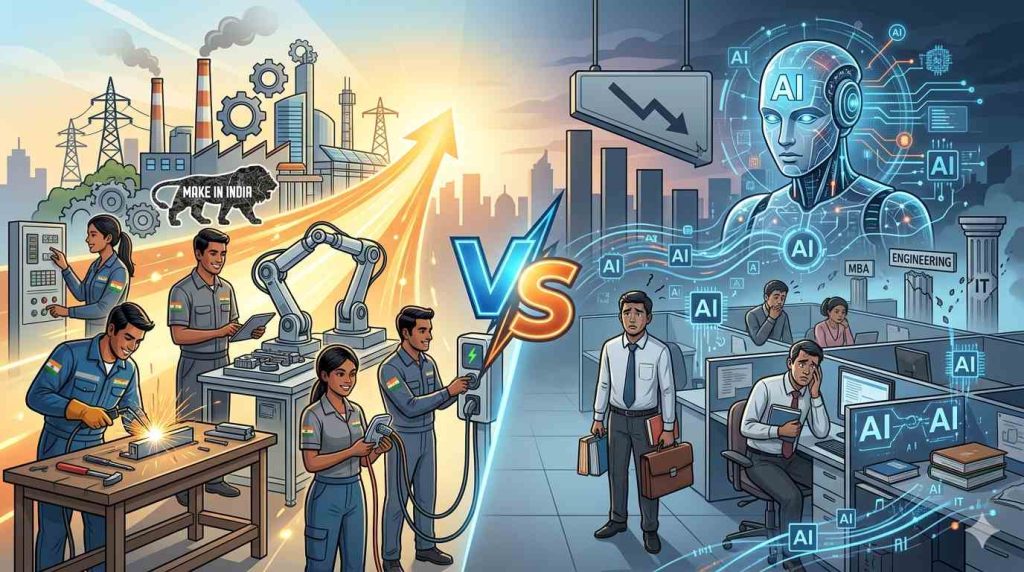
Despite Infosys’ positive framing, the announcement has triggered anxiety in India’s tech community. Many fear that autonomous AI tools like Devin could reduce demand for entry-level hiring and junior developer roles, which often involve repetitive coding, bug fixing, and basic implementation—tasks Devin handles autonomously.
Online discussions on platforms like X (formerly Twitter) and LinkedIn highlight these worries:
- Users argue that IT consultancies like Infosys and TCS may prioritize AI investments over increasing base pay or hiring freshers.
- Comments suggest software engineering (SWE) roles, especially in service-based firms, could become “dead fields” for newcomers.
- Concerns focus on a potential squeeze on fresher opportunities amid already declining junior hiring trends in big tech and IT services.
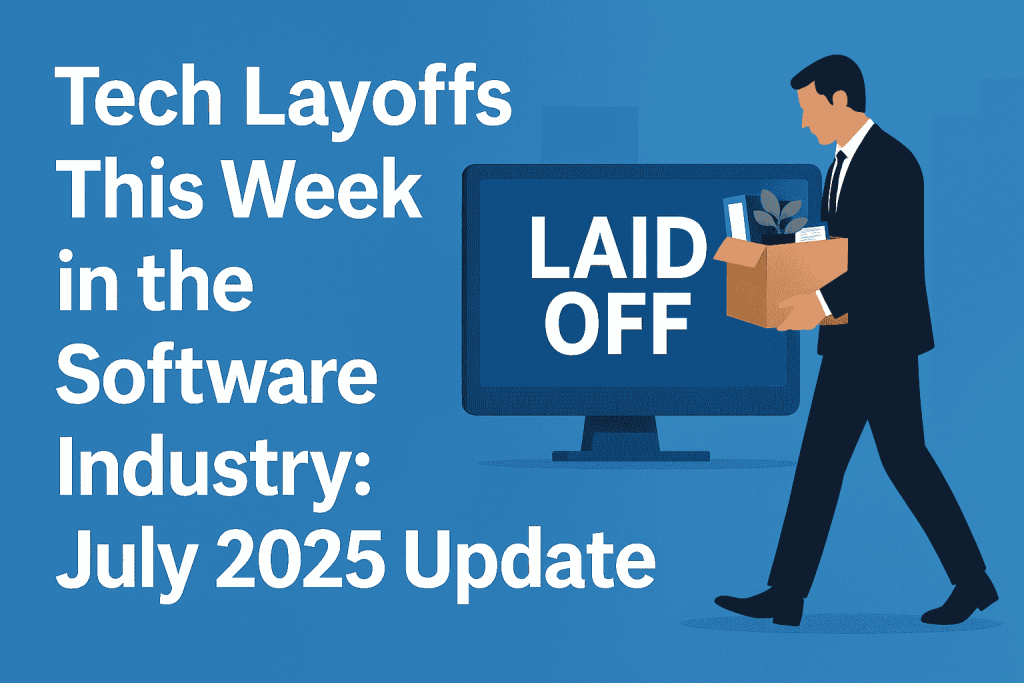
While no official layoffs have been linked to this deployment, the broader automation narrative fuels fears of shrinking entry-level jobs in India’s massive IT workforce.
Broader Implications for India’s IT Industry
India’s IT sector, a major employer of engineering graduates, faces ongoing debates about AI’s impact. Proponents argue tools like Devin will create higher-value roles in AI oversight, architecture, and innovation—requiring upskilling. Critics warn of short-term disruptions for millions of fresh graduates entering the job market annually.
As Infosys scales Devin globally, the industry watches closely: Will AI drive efficiency and growth, or accelerate job polarization? For now, the deployment marks a significant step in enterprise AI adoption, but it has undeniably heightened job security concerns for the next generation of developers.
This development underscores the rapid evolution of AI in software engineering—stay tuned for updates on how this partnership unfolds.

