





























































































































































India-US Trade Deal 2026: Farmers Interests Safeguarded

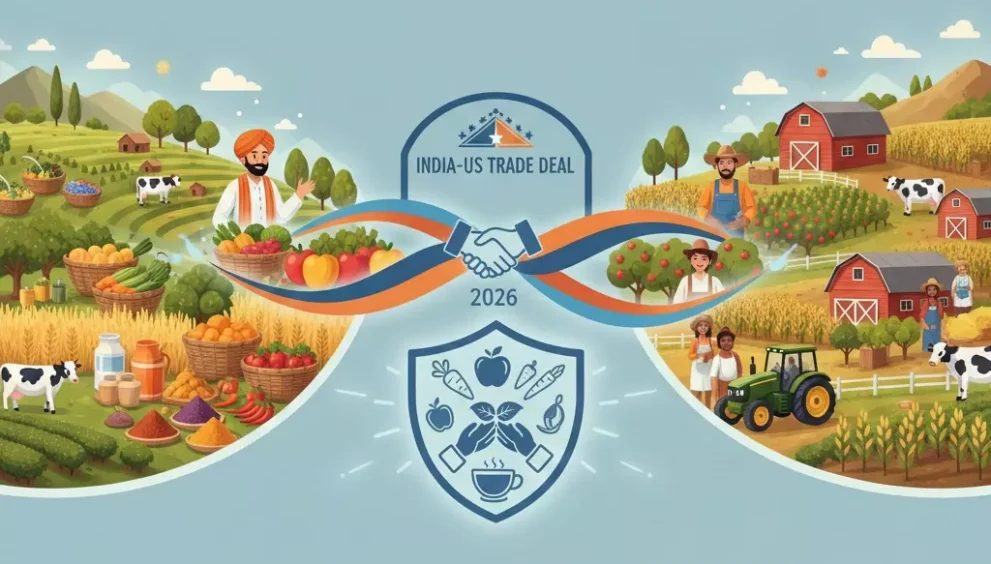
India-US Trade Deal 2026: Key Agricultural Sectors Fully Protected – Vegetables, Food Grains, Dairy, Fruits, Spices & Tea Safeguarded for Farmers
By NRI Globe Business & Economy Desk | February 7, 2026
In a major win for Indian farmers and rural livelihoods, the recently announced interim India-US trade framework (often referred to as the India-US trade deal) has ensured strong protections for sensitive agricultural sectors. Union Commerce and Industry Minister Piyush Goyal, along with government statements, has confirmed that key staples remain shielded from tariff concessions or market access openings to the US.
This development is particularly reassuring for the global Indian diaspora (NRIs), many of whom maintain strong ties to agriculture back home through family farms, investments, or remittances supporting rural economies. Here’s a detailed breakdown of what’s protected in the deal, based on official clarifications from the Indian government.
1. Vegetables: Fully Protected – No Concessions Granted
India has maintained complete safeguards for vegetables, ensuring no duty reductions or import quotas for US products in this category.
- Key items explicitly protected: Onions, potatoes, garlic, mushrooms, peas, chana (chickpeas), beans, pulses, dried vegetables, roots & tubers (including sweet potatoes).
- Why it matters: These form the backbone of daily Indian diets and support millions of smallholder farmers. Excluding them prevents potential flooding of the market with subsidized US imports, stabilizing prices and farmer incomes.
Government sources, including the Department of Commerce and PIB releases, emphasize that “no entry” has been granted for vegetables, with dried vegetables, beans, pulses, and roots/tubers remaining fully excluded.
2. Food Grains & Millets: Safe and Secure
Essential cereals and millets – critical for India’s food security – have been kept outside the scope of any concessions.
- Protected staples: Wheat, rice, maize (corn), jowar (sorghum), bajra (pearl millet), ragi (finger millet), and other grains.
- Additional notes: No tariff cuts or quotas apply here, preserving domestic production and preventing import surges that could undercut local growers.
This aligns with India’s long-standing policy of protecting staple crops to ensure self-reliance in food grains.
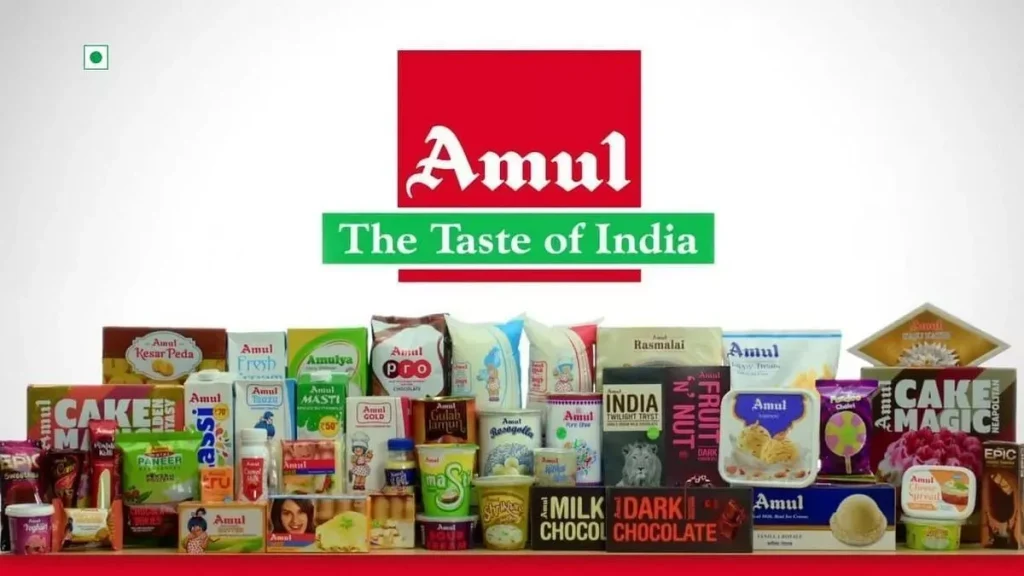
3. Dairy Sector: 100% Secured
Dairy remains one of the most sensitive and fully protected areas.
- Key protected products: Milk, ghee, butter, paneer, cheese, whey, and other milk-based items.
- Context: Despite US pushes for greater access, India has ring-fenced the dairy sector entirely. No duty concessions or market openings for US dairy products have been agreed upon, safeguarding the livelihoods of millions in the animal husbandry ecosystem.
Minister Goyal has repeatedly stated that agriculture and dairy interests are “fully protected” to support rural employment and self-reliance.
4. Fruits: Protected with Clear Red Lines
While the US gains some access to certain categories (e.g., tree nuts, select fresh/processed fruits), core Indian fruits remain safeguarded.
- Protected items: Banana, mango, berries, citrus fruits, and many processed fruits.
- Overall stance: Sensitive horticulture products are shielded to avoid price destabilization for domestic growers.
5. Indian Spices & Tea: Fully Safeguarded
India’s world-famous spice and tea sectors – major export earners and employment generators – face no compromises.
- Spices: All major Indian spices remain protected from concessions.
- Tea: Indian tea is explicitly safeguarded, preserving its domestic market dominance and farmer support.
These protections ensure that iconic Indian products continue to thrive without unfair external competition.
Broader Context of the India-US Trade Framework
The interim deal reduces US tariffs on Indian goods (e.g., textiles, leather, chemicals) to 18% from higher levels, boosting exports and jobs in labor-intensive sectors. In exchange, India offers tariff reductions/eliminations on select US industrial and some agricultural items (like tree nuts, wine, spirits, soybean oil, and certain fruits/vegetables where access is expanded).
However, Indian negotiators drew firm red lines on politically and economically sensitive areas. As Minister Goyal noted: “The agreement safeguards farmers’ interests and rural livelihoods by completely protecting sensitive agricultural and dairy products.”
For NRIs abroad – whether in the US, Canada, UK, Australia, or Gulf countries – this reassurance means continued stability for family farms and agricultural communities in India. It supports remittances flowing into rural areas and aligns with India’s push toward Atmanirbhar Bharat (self-reliant India) in food and farming.
While full details of the final text are still emerging, the government’s clear messaging emphasizes farmer-first protections. Farmers’ groups and opposition voices continue to seek transparency, but official statements from Piyush Goyal, Finance Minister Nirmala Sitharaman, and the Department of Commerce affirm that core staples remain secure.
Stay tuned to NriGlobe.com for more updates on India-US relations, trade impacts on the diaspora, NRI investment opportunities in agriculture, and global economic news affecting Indians worldwide.
Sources: PIB India, Ministry of Commerce statements, Economic Times, The Hindu, Reuters (February 2026 updates).