




































































































































Smithsonian Returns Stolen Chola & Vijayanagara Bronzes to India


Breaking: Smithsonian’s National Museum of Asian Art Returns Three Stolen Chola & Vijayanagara Bronzes to India – Iconic Shiva Nataraja Stays on Long-Term Loan
In a landmark victory for India’s cultural heritage repatriation efforts, the Smithsonian’s National Museum of Asian Art in Washington, D.C., has officially announced the return of three priceless ancient bronze sculptures to the Government of India. The decision, made public on January 28, 2026, follows years of meticulous provenance research that confirmed the artifacts were illegally removed from sacred temples in Tamil Nadu decades ago.
This repatriation underscores India’s relentless campaign against the illicit trade of antiquities and highlights growing international cooperation in restoring stolen cultural treasures to their rightful homes.
The Three Masterpieces Being Returned
The bronzes, masterpieces of South Indian metal casting artistry, include:
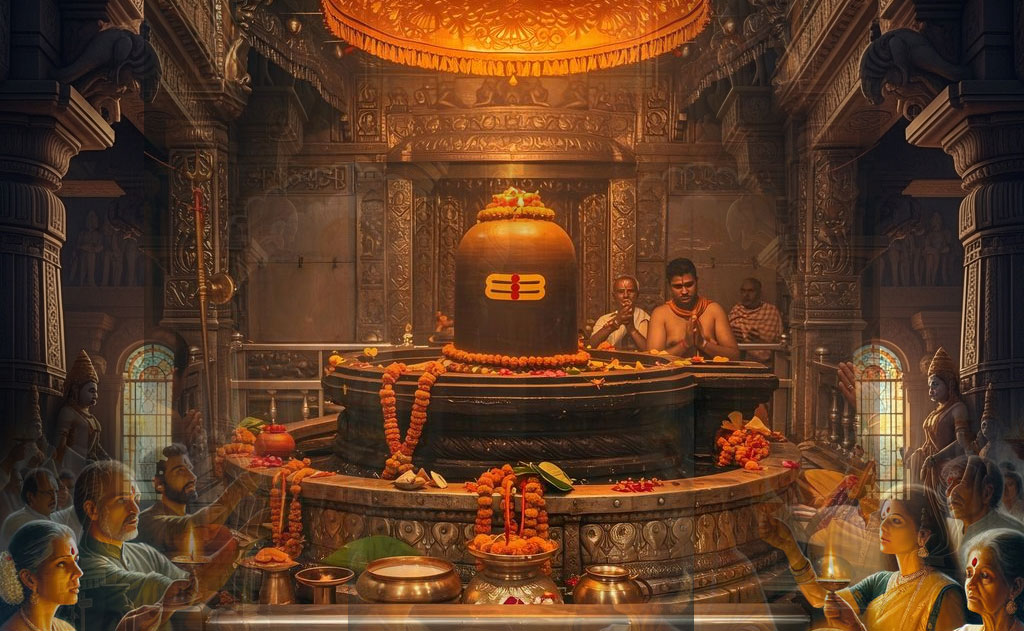
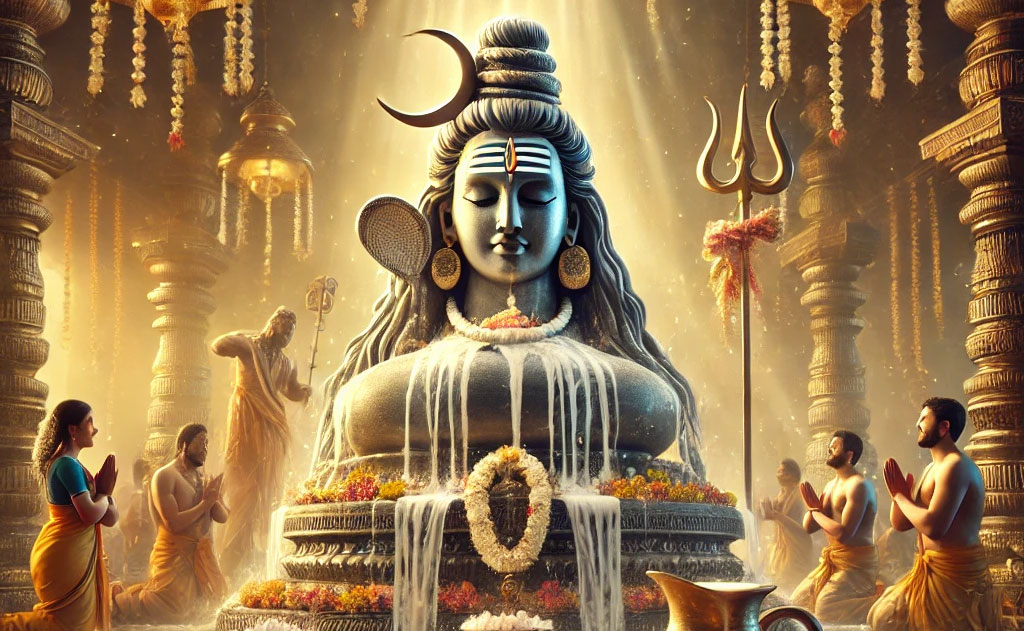
- Shiva Nataraja (Chola period, ca. 990 AD) – The cosmic dancer Lord Shiva in his iconic pose of creation, preservation, and destruction. Originally from the Sri Bhava Aushadesvara Temple in Tirutturaippundi Taluk, Thanjavur District, Tamil Nadu (documented in a 1957 temple photograph).
- Somaskanda (Chola period, 12th century) – Depicting Lord Shiva seated with Goddess Parvati and child Skanda, traced to the Visvanatha Temple in Alattur village, Mannarkudi taluk, Tamil Nadu (photographed in 1959).
- Saint Sundarar with Paravai (Vijayanagara period, 16th century) – Portraying the revered Shaivite poet-saint Sundarar accompanied by his wife Paravai, from a Shiva temple in Veerasolapuram village, Kallakuruchi Taluk, Tamil Nadu (photographed in 1956).
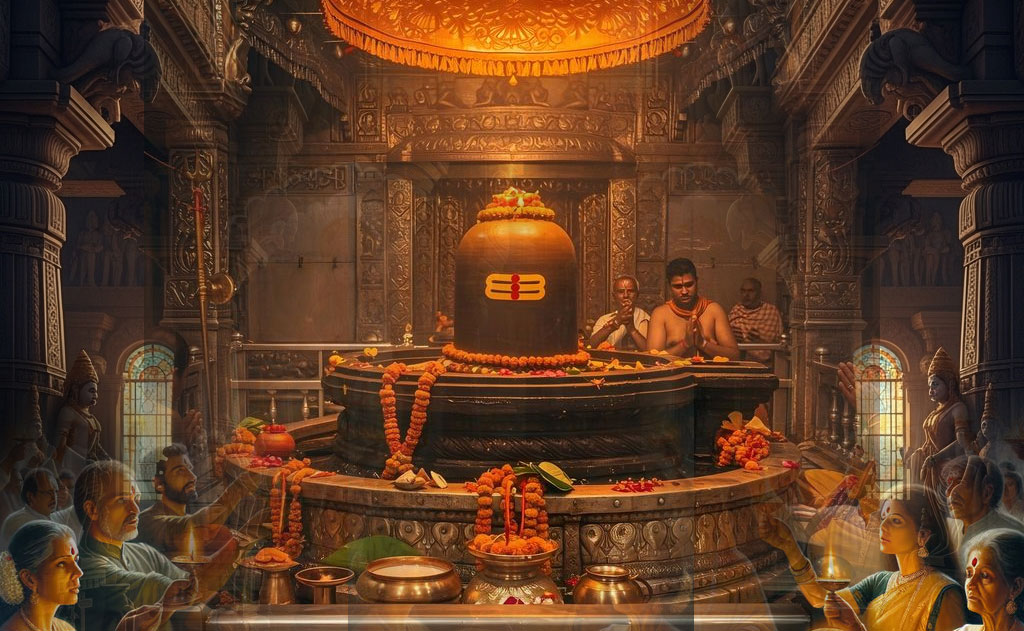
These sacred processional bronzes (known as utsava murtis) were integral to temple rituals, carried during festivals to allow devotees to experience the divine presence.
The evidence came from cross-verification with the Photo Archives of the French Institute of Pondicherry (in-situ temple images from the 1950s) and confirmation by the Archaeological Survey of India (ASI), proving unauthorized removal in violation of India’s antiquities laws.
Unique Arrangement: Shiva Nataraja on Long-Term Loan
While all three sculptures are being formally returned to India, the Government of India has graciously agreed to place the iconic Shiva Nataraja on long-term loan to the Smithsonian. This forward-thinking agreement enables continued public display in the U.S. while fully narrating the bronze’s origins, theft, and repatriation journey.
The masterpiece will feature prominently in the museum’s ongoing exhibition “The Art of Knowing in South Asia, Southeast Asia, and the Himalayas”, promoting education on ethical collecting and cultural heritage preservation.
Museum Director Chase F. Robinson emphasized: “The return of these sculptures, the result of rigorous research, shows our commitment to ethical museum practice. We are profoundly appreciative to the Indian government for enabling us to continue exhibiting the long-admired Shiva Nataraja for the benefit of our visitors.”
Why This Repatriation Matters for India’s Heritage
Chola-era bronzes rank among the world’s most celebrated examples of lost-wax bronze casting. Their global recognition in the 20th century unfortunately made them targets for looting from rural Tamil Nadu temples.
This case joins a growing list of successful restitutions driven by initiatives like the volunteer-led India Pride Project and government diplomacy. Recent years have seen hundreds of artifacts — from Chola idols to Khmer sculptures — returned from museums and private collections worldwide.
The Smithsonian’s proactive provenance review of its South Asian holdings sets a strong example for other institutions addressing colonial-era and illicit acquisitions.
Pride for Every Bharatiya – A Step Toward Cultural Justice
For millions of Indians and the global diaspora, the return of these divine bronzes evokes deep pride. The Shiva Nataraja, in particular, symbolizes India’s ancient artistic genius and spiritual depth.
This development reinforces that stolen heritage belongs to its source communities and temples — not distant galleries. It also encourages ethical practices in art markets and museums everywhere.
Stay tuned to BharatTone.com for the latest on India’s cultural repatriation victories, heritage news, temple traditions, and more stories celebrating Bharat’s timeless legacy.
Sources: Official Smithsonian Institution announcement

