































































































































Bengaluru Ranks Second-Most Congested City Worldwide in 2025

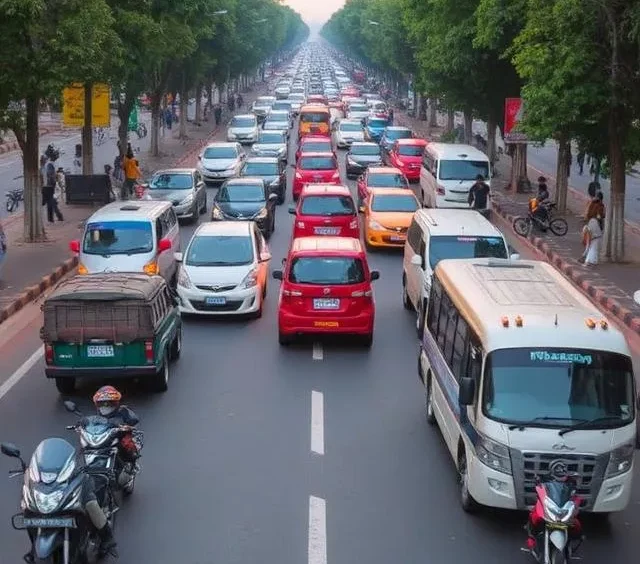
Bengaluru Ranks Second-Most Congested City Worldwide in 2025
Bengaluru has once again cemented its notorious reputation for traffic woes, ranking as the second-most congested city in the world in the TomTom Traffic Index 2025. With an average congestion level of 74.4%—a rise of 1.7 percentage points from 2024—India’s Silicon Valley now trails only Mexico City (75.9%) in global rankings, according to the latest data released by location technology leader TomTom.
Shocking Stats from the TomTom Traffic Index 2025
The numbers paint a grim picture for Bengaluru commuters:
- A typical 10 km trip now takes 36 minutes and 9 seconds on average—2 minutes and 4 seconds longer than in 2024.
- Average speed across the city stands at a sluggish 16.6 km/h.
- In just 15 minutes, drivers cover only about 4.2 km.
- Commuters lost a staggering 168 hours (roughly 7 full days) stuck in rush-hour traffic during 2025.
- Morning rush hour sees speeds drop to around 14.6 km/h, while evening peaks crawl at 13.2 km/h, with congestion often exceeding 100% on peak days.
- The worst single day? Saturday, May 17, 2025, when congestion hit 101%.
These figures highlight how Bengaluru’s explosive growth as India’s premier tech hub has far outstripped its road and public transport infrastructure.
Pune Not Far Behind: Fifth Globally
Indian cities dominate the upper echelons of congestion misery. Pune ranks fifth worldwide with 71.1% average congestion (a sharp +5.4 pp jump from last year), losing 152 hours in rush-hour jams. Other Indian entries in the global top ranks include Mumbai, New Delhi, Kolkata, and more—six of Asia’s top 10 most congested cities hail from India.
Global Top 5 (TomTom Traffic Index 2025 Congestion Level):
- Mexico City, MX – 75.9%
- Bengaluru, IN – 74.4%
- Dublin, IE – 72.9%
- Lodz, PL – 72.8%
- Pune, IN – 71.1%
Why Bengaluru’s Traffic Nightmare Continues to Worsen
Experts and residents point to several interconnected factors:
- Rapid urbanization and population influx driven by IT and startup booms.
- Insufficient road expansion, poor urban planning, and delayed infrastructure projects.
- Over-reliance on private vehicles amid limited, unreliable public transport options (metro expansions are ongoing but insufficient).
- Encroachment, haphazard parking, and monsoon-related disruptions compounding daily chaos.
The result? Skyrocketing productivity losses, increased fuel consumption, higher pollution levels, and mounting frustration among daily commuters.
What Needs to Change? Calls for Urgent Action
While Bengaluru boasts world-class tech talent, its mobility infrastructure lags far behind. Sustainable solutions on the table include:
- Accelerated metro and suburban rail expansions.
- Better last-mile connectivity via electric buses, bike-sharing, and pedestrian-friendly zones.
- Smart traffic management using AI and real-time data.
- Stricter enforcement against encroachments and illegal parking.
- Promotion of remote/hybrid work to ease peak-hour pressure.
Without bold, coordinated action from government, urban planners, and citizens, Bengaluru risks sliding further into gridlock.
Stay informed on India’s urban challenges, mobility innovations, and city rankings with BharatTone.com. Have you experienced Bengaluru’s infamous traffic firsthand? Drop your commute horror stories or suggestions in the comments below!

