


















































































































India March 2026: Energy Shock & Policy Moves

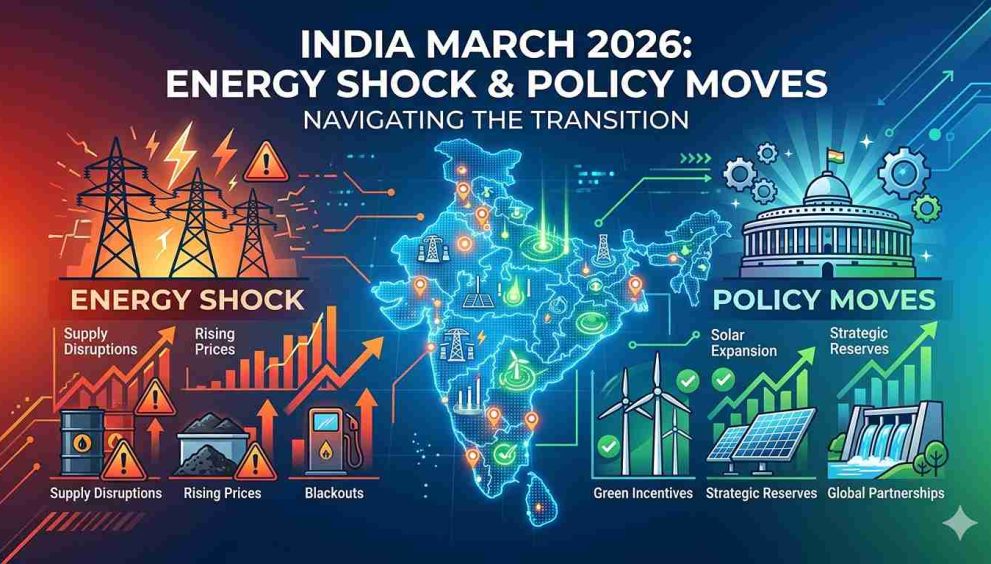
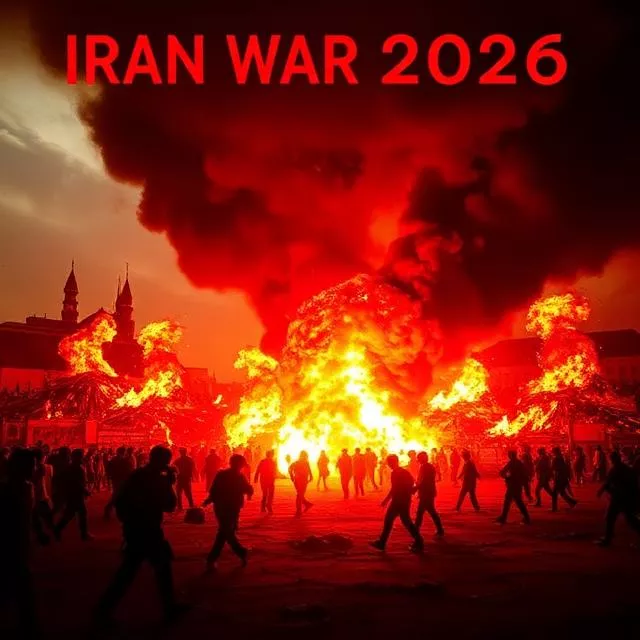
March 2026 tested India’s economic resilience and diplomatic agility as the US-Israeli war with Iran entered its second month, triggering a sharp rise in global oil prices and disrupting the Strait of Hormuz. While the government took swift measures to shield citizens from fuel price shocks, concerns mounted over growth slowdown, inflation, and risks to remittances from the Gulf. On the positive side, Prime Minister Narendra Modi inaugurated a major new airport and urged unity in the face of external challenges.
Energy Crisis and Economic Impact
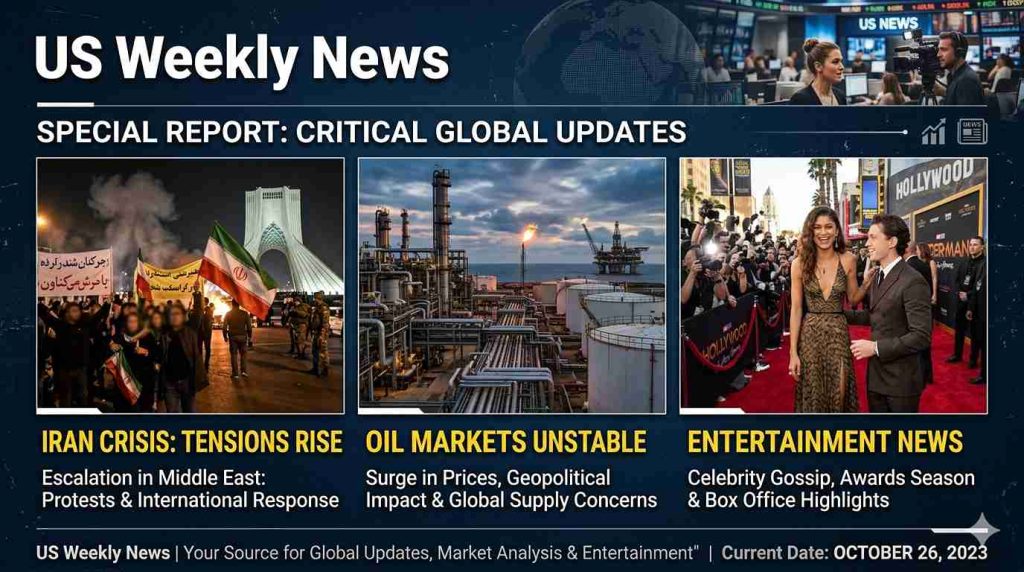
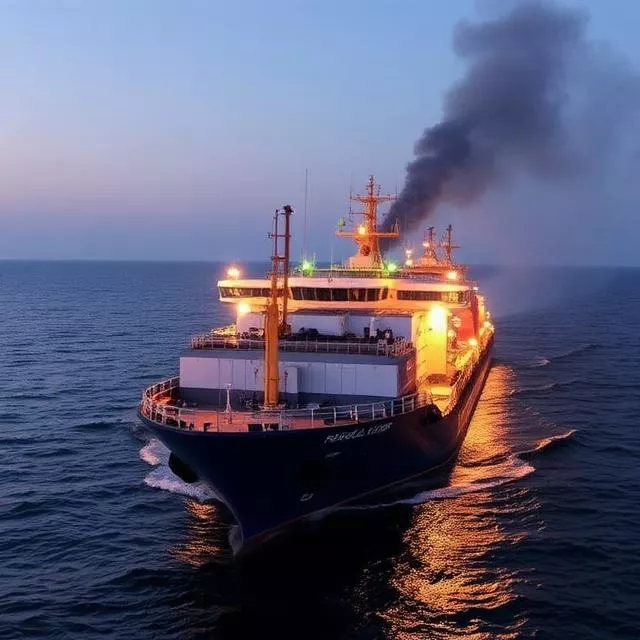
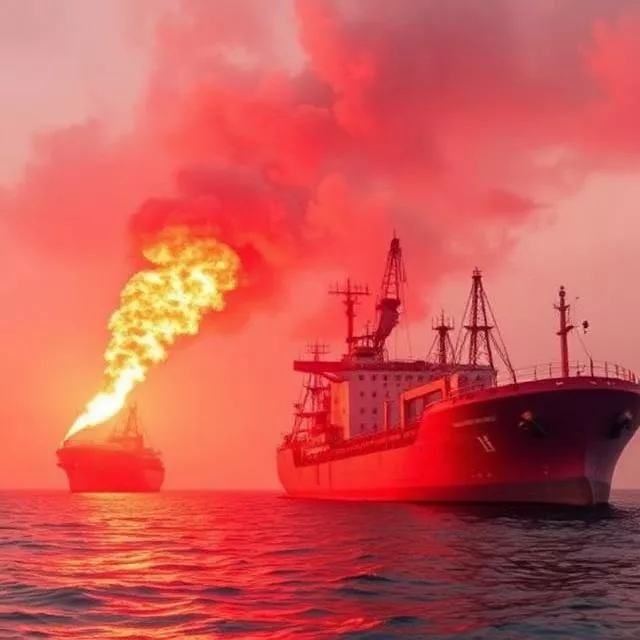
The conflict caused Brent crude to surge above $100–120 per barrel, with disruptions in the Strait of Hormuz affecting nearly half of India’s crude imports and a large share of LPG supplies. India, which imports around 85-90% of its crude oil, faced higher import bills, rupee pressure (hitting near ₹94-95 per dollar), and supply chain strains.
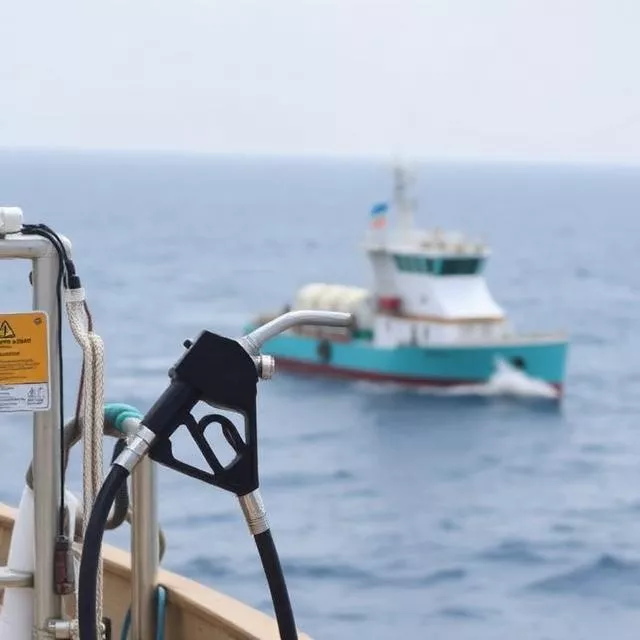
- The government slashed excise duty on petrol (from ₹13 to ₹3 per litre) and removed it entirely on diesel to keep pump prices stable. Domestic petrol and diesel rates remained largely unchanged despite global volatility.
- LPG shortages emerged in some areas due to reduced supplies from Qatar and rerouting challenges, prompting the use of strategic reserves and alternative sourcing.
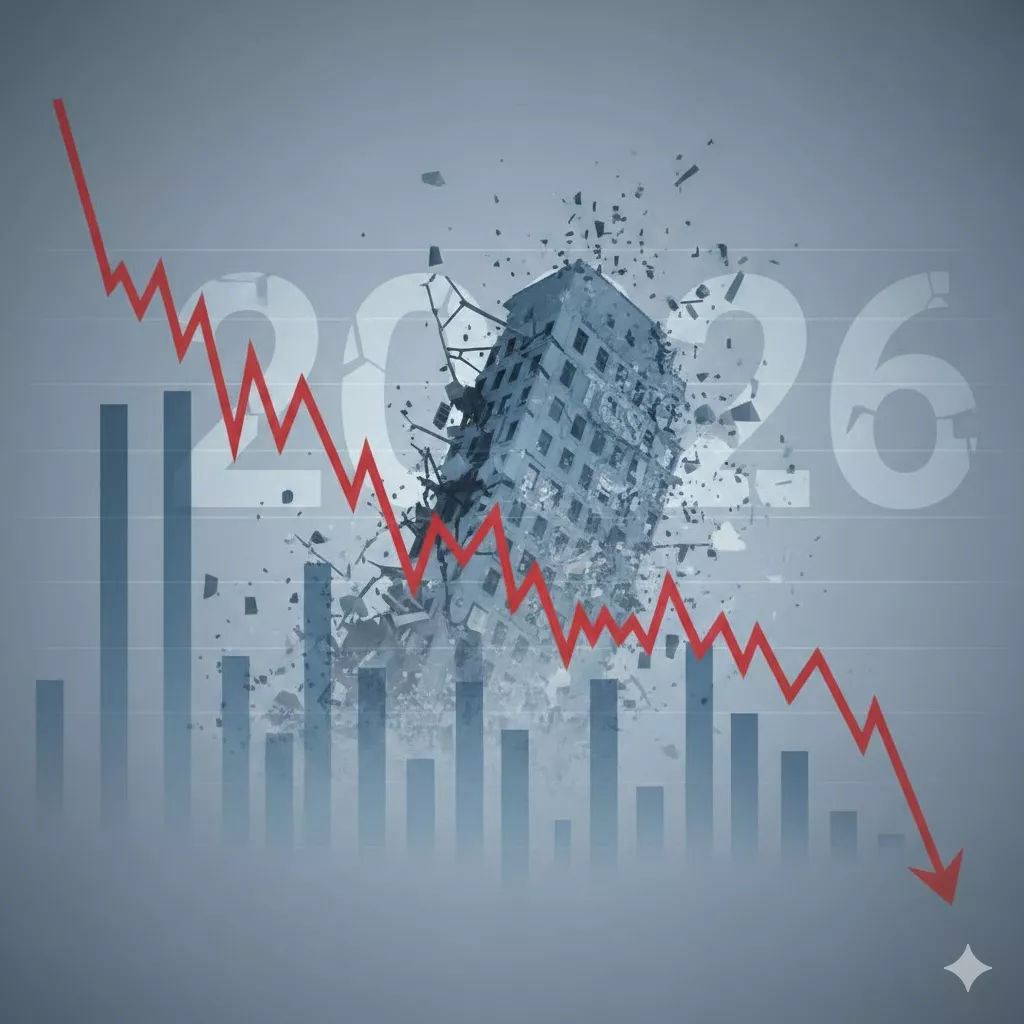
- Chief Economic Advisor warned of “considerable downside risks” to the 7.0–7.4% growth forecast for FY 2026-27. Economists projected that sustained high oil prices could drag growth down to 6.0–6.6% and push inflation higher.
- The rupee weakened, stock markets showed volatility, and analysts flagged risks to the current account deficit and fiscal targets. Remittances from the Gulf (around 38% of total inflows) faced medium-term threats due to uncertainty for Indian workers there.
Finance Minister Nirmala Sitharaman emphasised that India was handling the situation better than many peers, dismissing rumours of lockdowns as “completely false.” The government also imposed export duties on diesel and aviation fuel to ensure domestic availability.
Diplomatic Stance and PM Modi’s Address
India maintained a balanced yet pragmatic approach, calling for de-escalation, dialogue, and respect for sovereignty. PM Modi spoke with US President Donald Trump and stressed the need for early restoration of peace. In his Mann ki Baat address on 29 March, the Prime Minister described the West Asia crisis as “challenging times” and urged citizens not to politicise the issue or believe rumours.
India’s tilt towards stronger ties with the US, Israel, and Gulf states was evident, even as it navigated relations with Iran. The government secured a temporary US waiver to import Russian oil to stabilise supplies. Experts noted that India’s equities with Arab nations and Israel had grown significantly, influencing its response.
Infrastructure and Domestic Highlights
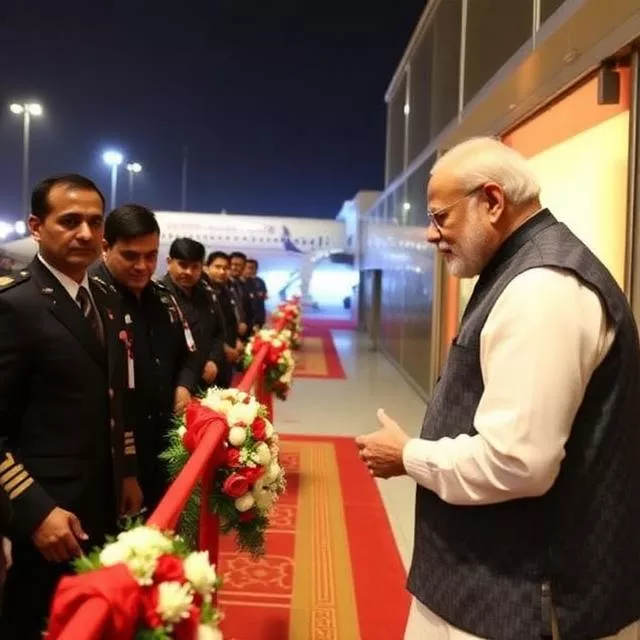
- Noida International Airport Inauguration: On 28 March, PM Modi formally inaugurated Delhi-NCR’s second airport at Jewar, Uttar Pradesh. The project is expected to boost regional connectivity, ease pressure on Delhi airport, and support economic growth in the National Capital Region.
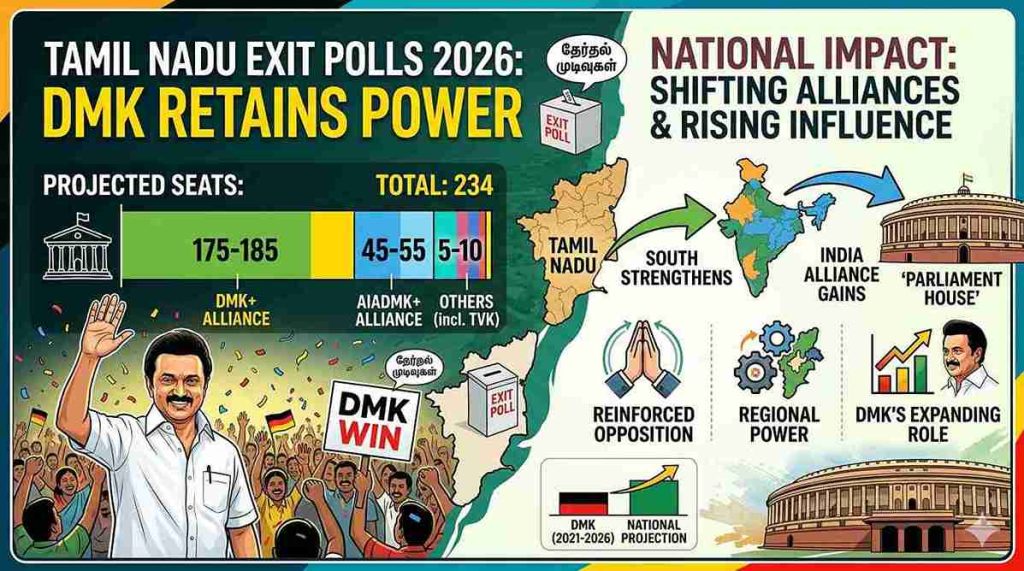
- Other Developments: Discussions continued on Budget 2026-27 implementation, including tax reforms and measures to support key sectors. Parliament saw debates on various bills, while state-level political activities (such as Tamil Nadu assembly election preparations) gained momentum.
Broader Concerns and Outlook
- Inflation and Households: Higher transportation and logistics costs began feeding into food and essential prices. The government focused on protecting common citizens through subsidies and duty cuts.
- Remittances and Diaspora: With millions of Indians in the Gulf, any prolonged slowdown in the region could impact inflows that support families back home.
- Long-Term Resilience: The crisis reinforced the push for energy diversification, including increased Russian oil purchases, strategic reserves, and acceleration of domestic renewables and nuclear power.
PM Modi called for national unity, saying India should focus on progress rather than getting distracted by external challenges. As the conflict continues, economists and policymakers are closely monitoring oil prices, rupee movements, and global supply chains.
March 2026 highlighted both India’s vulnerabilities as a major energy importer and its capacity to respond with calibrated policy measures. The coming months will test how effectively the economy weathers this external shock while maintaining steady growth towards the goal of Viksit Bharat.