




























































































































































Why Is TCS Share Price Falling in 2026?


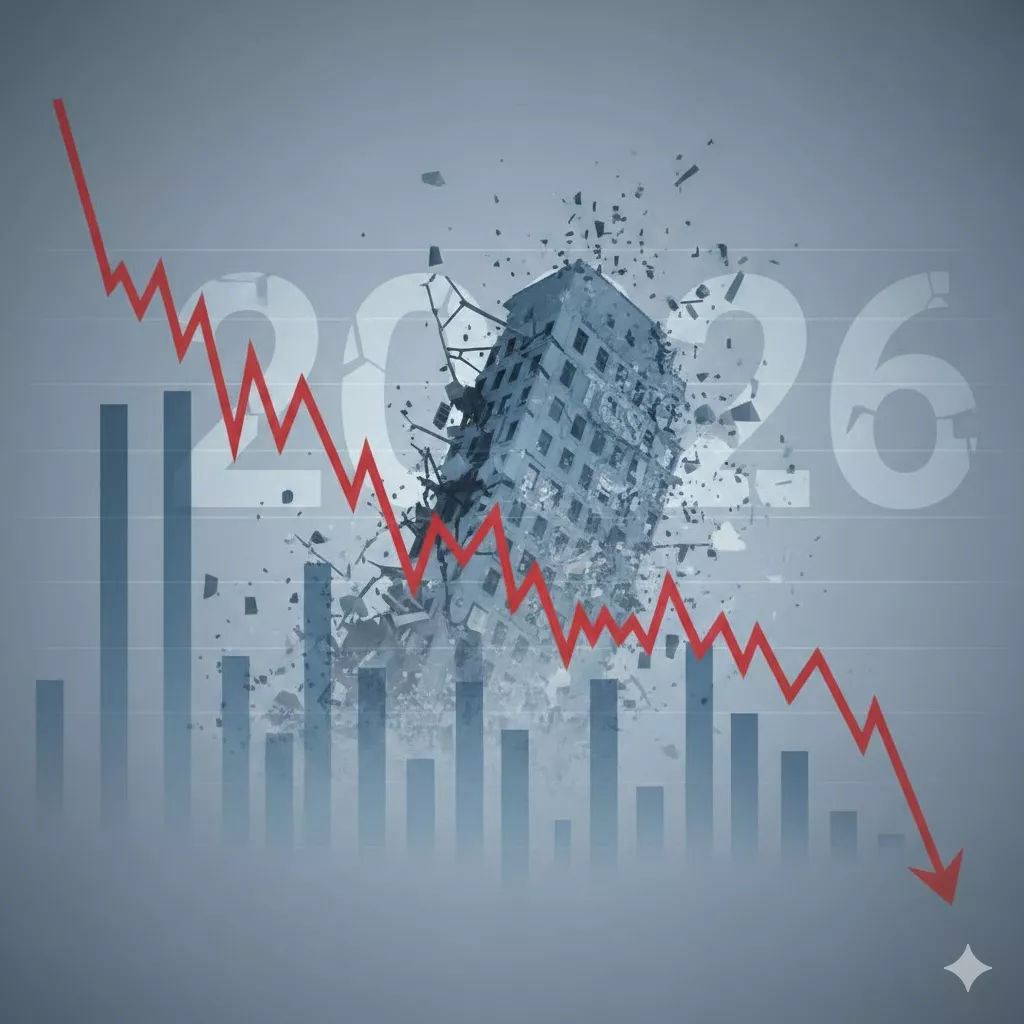
The TCS share price has been experiencing consistent downward pressure in early 2026, hitting multi-year lows around ₹2,585–₹2,700 levels recently (as of mid-February 2026 data). This isn’t isolated to TCS but affects the broader Indian IT sector, including peers like Infosys, Wipro, and HCL Tech.
Main Reasons Why TCS Share Price Is Falling
The primary driver is widespread investor concerns over AI disruption to the traditional IT services business model:
- AI Automation Threats: Advances in generative AI (e.g., tools from companies like Anthropic launching AI-powered solutions for coding, bug fixing, legal reviews, and compliance) are seen as shortening project timelines, automating routine tasks, and reducing the need for large headcounts. Indian IT firms have historically relied on headcount-based billing for application development, maintenance, and testing—areas now viewed as vulnerable. This has sparked fears of margin compression, slower growth, and potential structural changes in revenue streams.
- Sector-Wide Sell-Off: The Nifty IT index has dropped significantly—around 15% in 2026 so far, following a 13% decline in 2025—marking one of the worst corrections since 2008. TCS shares have fallen sharply in recent sessions (e.g., multi-percent drops over consecutive days), dragging the index lower. Global tech sentiment, including US market reactions to AI competition, has amplified this.
- Other Contributing Factors: Fading hopes for early US Federal Reserve rate cuts have added pressure on export-oriented IT stocks. Valuations have corrected, with TCS trading at discounts to historical averages (e.g., below 10-year median PE), reflecting lowered growth expectations.
Despite these headwinds, TCS reported solid Q3 FY2026 results recently, with AI services revenue hitting a $1.8 billion annualized run-rate (up significantly QoQ) and strong deal wins.
Is It Safe to Buy TCS Shares Now?
TCS remains one of India’s strongest blue-chip companies—backed by a massive order book, consistent dividends (attractive yield recently), reliable earnings history, and leadership in pivoting to AI-led services. Many analysts view the current dip as creating attractive valuations for long-term investors, with some brokerages maintaining “Buy” ratings and targets implying upside (e.g., potential 20–30%+ recovery in optimistic scenarios).
However, short-term risks persist due to ongoing AI fears and sector volatility. It’s not a “guaranteed safe” buy in the immediate term if you’re risk-averse or short-horizon focused—markets could see more pain if AI disruption narratives intensify. For patient, long-term investors who believe in TCS’s ability to adapt (as it has in past tech shifts), this could be a buying opportunity at discounted levels.
Important Disclaimer: This is not financial advice. Stock markets are volatile, and investments carry risk. Always do your own research, consider your risk tolerance, and consult a certified financial advisor before buying or selling any shares.
Blog Post Structure/Content (Ready to publish – optimized for SEO with keywords like “TCS share price falling”, “TCS stock 2026”, “buy TCS shares”, headings, readability, and EEAT signals via factual sourcing from recent market data/news):
Why Is TCS Share Price Falling in 2026? Reasons, AI Impact & Is It Safe to Buy Now?
Tata Consultancy Services (TCS), India’s largest IT services company, has seen its share price drop significantly in early 2026, touching 5-year lows around ₹2,585–₹2,700. If you’re wondering “why TCS share is falling every day,” you’re not alone—this is part of a broader IT sector rout.
Key Reasons Behind TCS Share Price Decline in 2026
- AI Disruption Fears: The biggest trigger is investor anxiety over artificial intelligence reshaping the IT industry. Tools from AI firms like Anthropic automate coding, testing, and routine tasks—potentially reducing demand for traditional outsourcing models that rely on large teams. Analysts warn this could pressure margins and growth for TCS and peers.
- Sector-Wide Correction: The Nifty IT index has fallen ~15% in 2026 (after 13% in 2025), with TCS, Infosys, and others dropping 30%+ from peaks. Recent sessions saw 4–6% daily declines amid global tech sell-offs.
- Broader Market Sentiment: Delayed US rate cuts and competition concerns have hit export-heavy IT stocks hard.
TCS Fundamentals Still Strong Amid the Dip
Despite the fall, TCS posted steady Q3 FY2026 results: revenue growth, $1.8 billion AI services run-rate, strong deal wins, and healthy margins. Its valuation now trades at a discount to historical averages, appealing to value investors.
Is It Safe to Buy TCS Shares in 2026?
- Pros: Blue-chip status, dividend yield, AI pivot potential, and analyst “Buy” views suggest long-term upside.
- Cons: Short-term volatility from AI narratives could continue.
For long-term holders, the current levels may offer value—but assess your horizon and risk. Always consult a financial advisor.
What are your thoughts on TCS stock in 2026? Share in the comments below!

