













































































































































US Scraps H-1B Lottery System: Wage-Based Selection Introduced for FY 2027

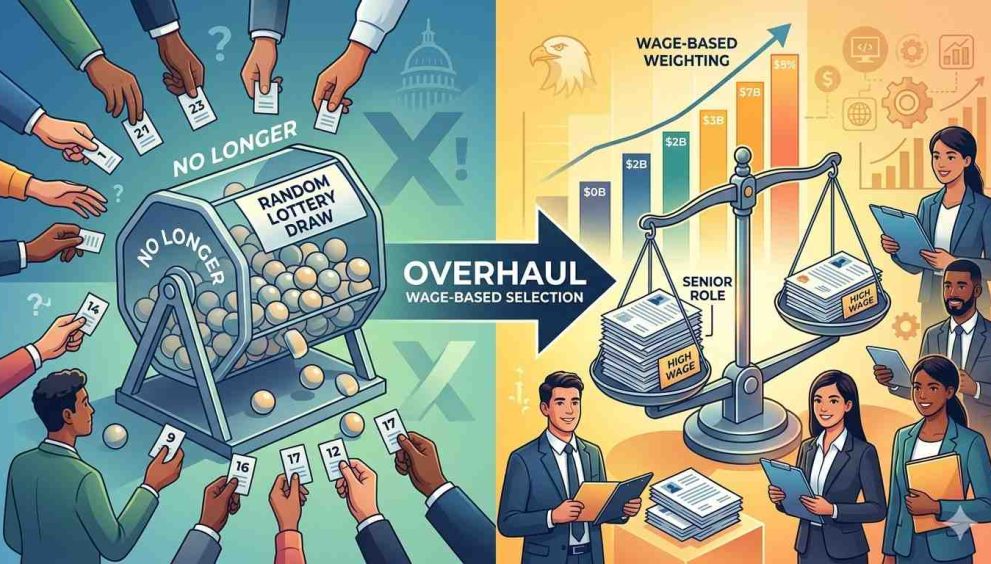
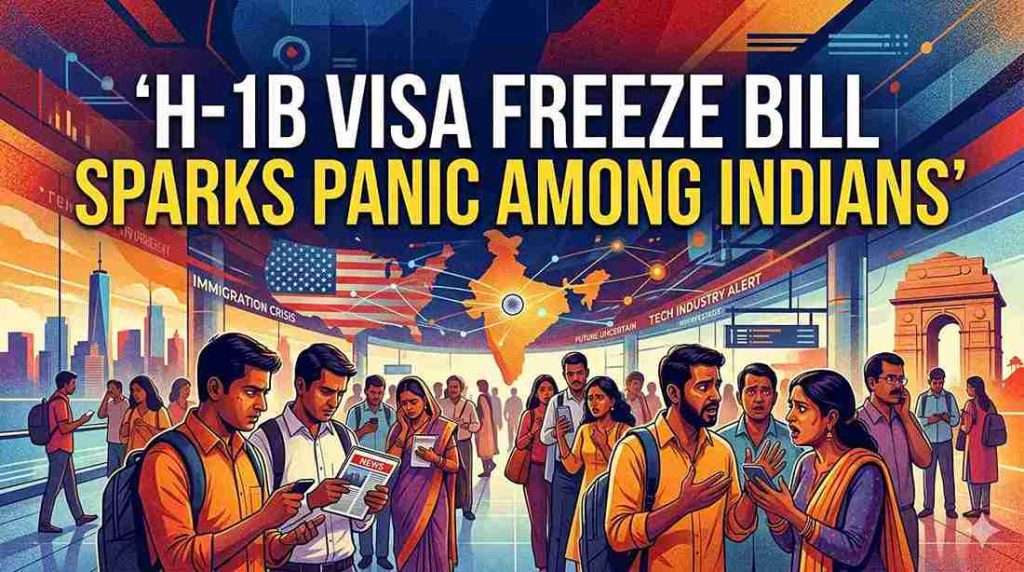
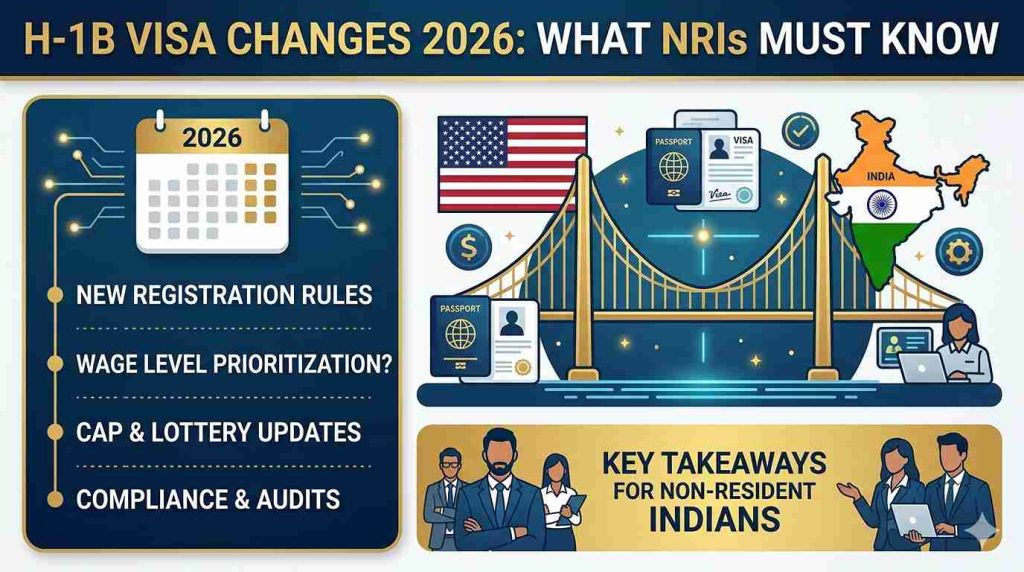
H-1B Visa Overhaul: How the End of Lottery System and Wage-Based Selection Hits Indian Professionals New Delhi/Hyderabad, April 7, 2026 – The United States has replaced the random H-1B visa lottery with a wage-weighted selection process, effective for the FY 2027 cap season. This major policy shift, implemented by the Department of Homeland Security (DHS) and USCIS, is already reshaping opportunities for Indian talent—the group that has long dominated the program.
Indians have consistently received around 70-71% of all H-1B visas in recent years, with over 283,000 approvals in FY 2024 alone. An estimated hundreds of thousands of Indian professionals currently work in the US on H-1B visas, primarily in IT, software engineering, consulting, and STEM fields. The new rules could significantly alter this landscape.
What Changed for Indians?
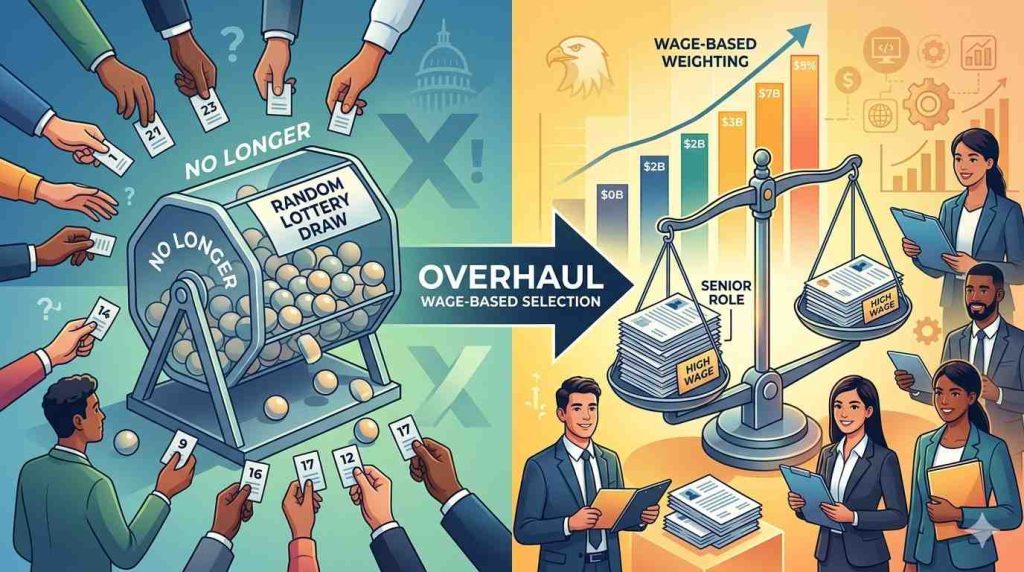
Under the old random lottery, every eligible registration had an equal chance when applications exceeded the annual cap of 85,000 (65,000 regular + 20,000 for US advanced degree holders). Now, selection is weighted by the Department of Labor’s prevailing wage levels (OEWS) for the job, occupation, and location:
- Wage Level IV (highest, typically senior/expert roles): 4 entries → dramatically higher odds (projected ~61% selection probability in some models)
- Wage Level III: 3 entries → significantly better chances (~46%)
- Wage Level II: 2 entries → modest improvement (~31%)
- Wage Level I (entry-level): 1 entry → sharply reduced odds (down to ~15%)
This means higher-paid, more experienced Indian professionals now stand a much stronger chance, while entry-level and mid-career candidates sponsored at lower wages face tougher competition.
The FY 2027 registration (March 4–19, 2026) has already concluded under the new system, with the cap reached and selections notified. Petitions are due by June 30, 2026.
Winners and Losers Among Indian Talent
Positive Impact – Senior & High-Skilled Professionals Experienced Indian engineers, AI/ML specialists, architects, researchers, and those in high-demand roles at top US tech firms (Amazon, Microsoft, Google, Meta) are likely to benefit. Their higher salary offers naturally qualify for Level III/IV weights, improving selection odds and reducing competition from lower-wage applications. Many large companies have already shifted toward hiring premium talent.
Challenges for Entry-Level and Mid-Career Talent
- Fresh graduates from US universities (a key pipeline for Indians) and early-career professionals may see reduced opportunities, especially in Level I/II roles.
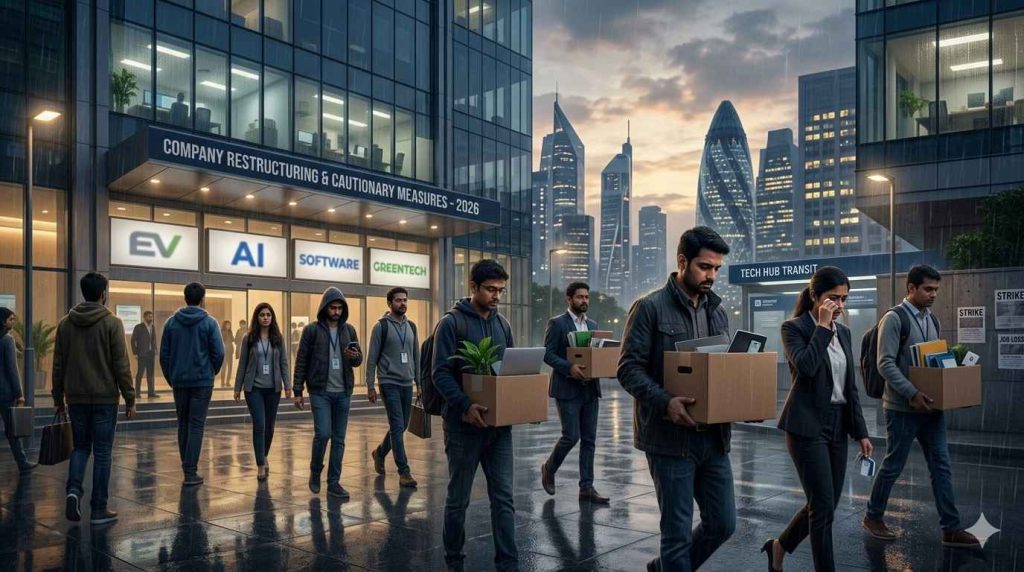
- Smaller Indian IT consultancies, staffing firms, and mid-sized employers—who often sponsor at market or entry wages—could struggle to get selections.
- Overall, the system incentivizes employers to offer higher salaries or focus on senior positions, potentially squeezing the volume of new Indian hires in routine or support roles.
Projections suggest India’s overall share of H-1B visas may dip modestly (by a couple of percentage points in some models), though Indians are still expected to remain the dominant group due to their strong presence in high-skill segments.
NASSCOM’s Concerns
India’s premier IT industry body, NASSCOM, has expressed serious reservations. It described the shift as a “significant departure from the long-standing, neutral lottery system” that raises legal, economic, and operational issues.
Key worries highlighted by NASSCOM:
- Disadvantage to small/mid-sized firms, startups, research institutions, and university-linked employers.
- Weakening of the STEM talent pipeline, as entry-level roles for US-educated international graduates become harder to secure.
- Increased compliance complexity, uncertainty in workforce planning, and potential regional distortions due to varying wage levels.
- Risk to US innovation and competitiveness, especially in AI, where Indian talent plays a vital role.
NASSCOM noted that its member companies support over 1.6 million US jobs and contribute $198 billion to the US GDP. It urged a phased rollout (ideally delaying full impact to FY 2028) to allow adaptation.
Broader Ripple Effects on Indian IT and NRIs
- Large Indian IT firms (TCS, Infosys, etc.): Many have already reduced reliance on new H-1B hires by expanding local US hiring, building Global Capability Centres (GCCs) in India, and using other visa routes where possible. Impact appears limited for them.
- Smaller players and consultancies: Likely to face the biggest squeeze.
- Indian students in the US: Uncertainty around post-OPT H-1B chances may influence decisions to study in America.
- Long-term trend: US companies may accelerate shifting more work (including AI-related) to India-based teams or GCCs, boosting India’s tech ecosystem while slowing some services exports.
Combined with the separate $100,000 additional fee on certain H-1B petitions, the changes encourage employers to be more selective and strategic.
What Should Indian Professionals Do?
- Aim higher — Focus on building advanced skills (AI, cloud, cybersecurity, specialized engineering) to command Level III/IV salaries.
- Target premium employers — Big tech, product companies, and research roles offer better odds than traditional outsourcing models.
- Strategic planning — Employers and candidates must align wage offers with DOL levels at the registration stage.
- Diversify options — Explore internal company transfers, L-1 visas (for multinational executives/managers), or opportunities in other countries.
The H-1B program still offers a pathway for top Indian talent, but the era of equal chances for all is over. Success now hinges more on proven expertise and competitive compensation.
Bharat Tone will continue tracking developments, including outcomes from the FY 2027 season and any legal or industry pushback. For Indian professionals and the diaspora, this is a call to upskill, adapt, and strengthen India’s position as a global tech powerhouse.
Sources: USCIS/DHS announcements, NASSCOM statements, industry analyses, and official data.