











































































































































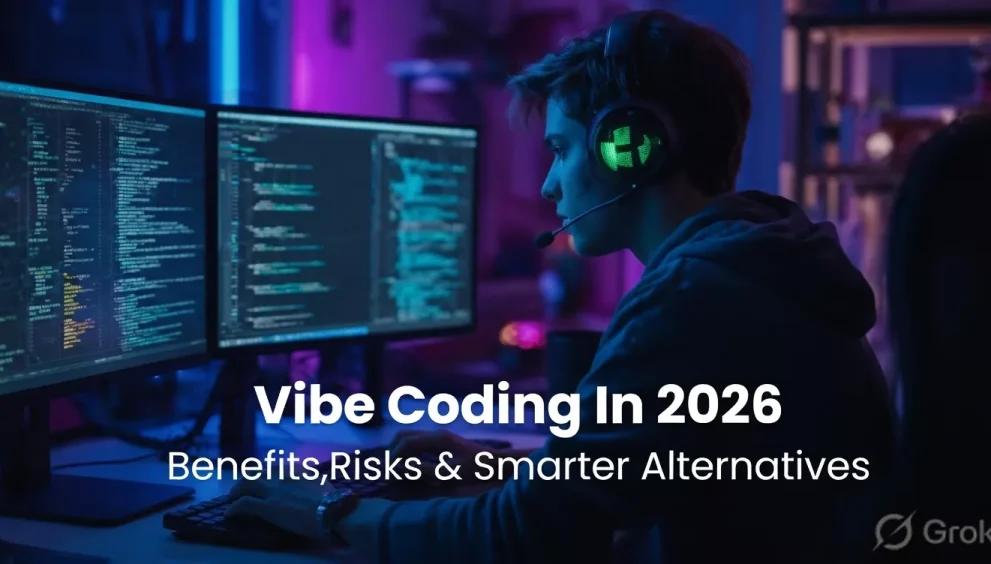
Vibe Coding 2026: Boon or Risk for Developers?

Namaste Bharat! In 2026, a powerful new trend is reshaping the way software is built across India — Vibe Coding.
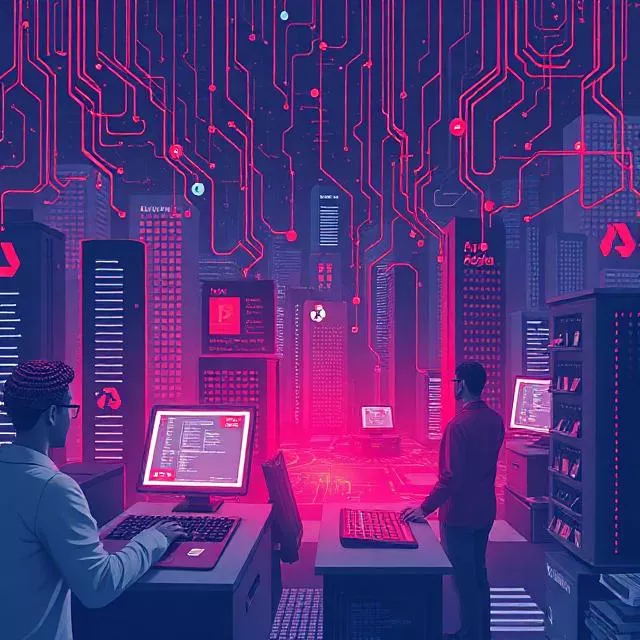
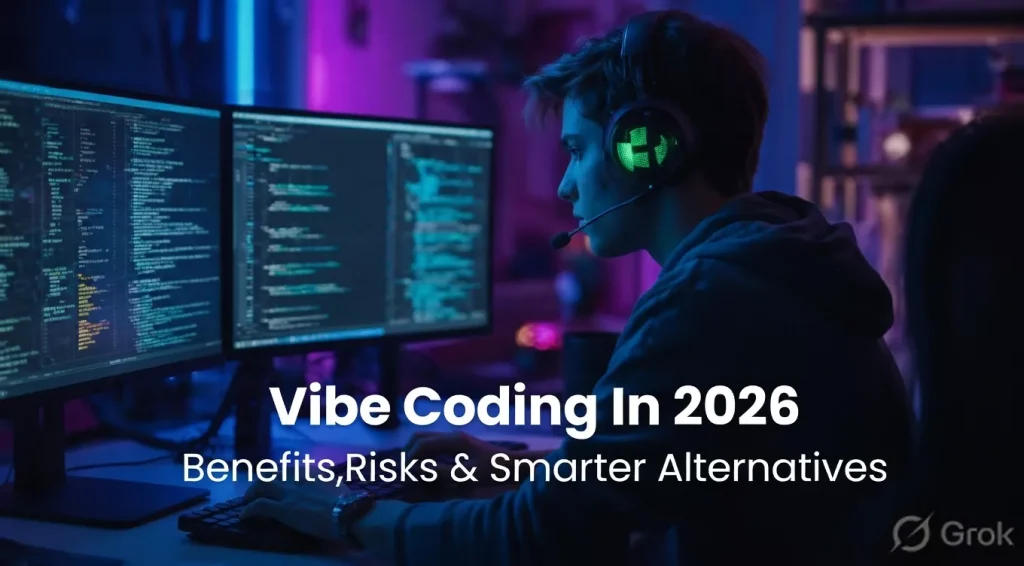
Popularized by AI visionary Andrej Karpathy, vibe coding means describing your app idea in simple English (or even Hinglish) and letting advanced AI tools generate the actual code for you. No more spending hours fighting with syntax errors or debugging boilerplate code. Just tell the AI the “vibe” of what you want — and watch it build.
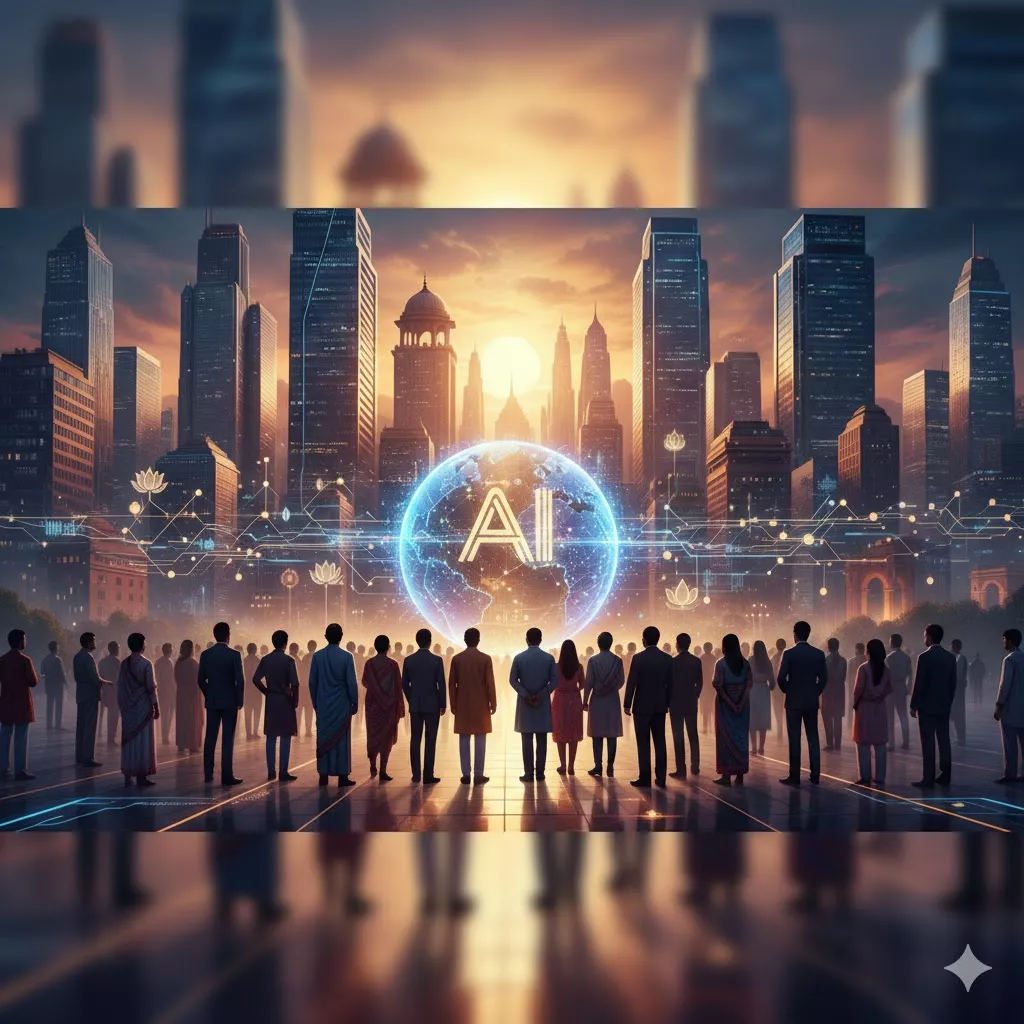
With India’s massive IT workforce, booming startup ecosystem, and the push for Atmanirbhar Bharat and Make in India, vibe coding is creating both huge opportunities and important questions for Indian developers, students, and founders.
Here’s a detailed, balanced analysis of the pros and cons of vibe coding in 2026, specially for the Indian audience.
What is Vibe Coding? Simple Explanation
Traditional coding requires writing every single line with deep knowledge of languages like Python, Java, React, or Node.js. Vibe coding changes the game — you focus only on what the application should do (“Create a UPI-based expense tracker with family sharing, GST invoice feature, and dark mode”), and AI handles the how.
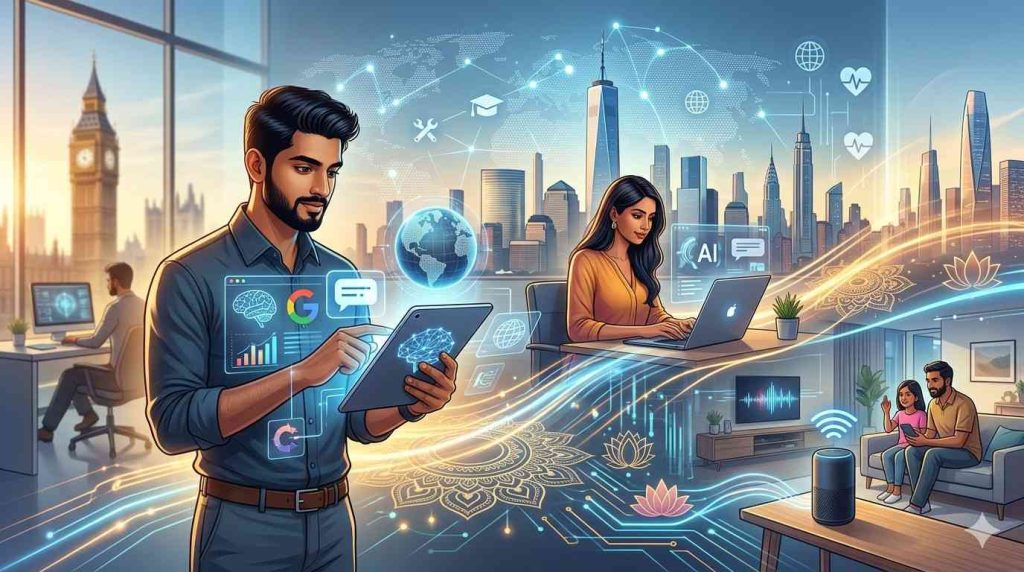
By mid-2026, more than 85% of Indian developers are already using AI coding assistants daily. It has become especially popular in Bengaluru, Hyderabad, Pune, Gurugram, and among the huge remote workforce serving global clients.
Pros of Vibe Coding – Why Indian Techies Are Loving It
- Lightning-Fast Prototyping and Development Indian startups can now turn ideas into working MVPs in days instead of weeks or months. This speed is a massive advantage in the hyper-competitive Indian startup ecosystem, where first-mover advantage matters a lot.
- Democratizing Coding for Everyone You no longer need to be an IITian or have years of experience to build something useful. College students, working professionals from non-CS backgrounds, and even small business owners can create apps for local problems — from kirana store management to village-level fintech or edtech tools.
- Huge Productivity Boost for Developers Senior developers and architects in Indian IT companies (TCS, Infosys, Wipro, HCL, etc.) and product startups are reporting 3x to 5x faster output. They can focus on system design, architecture, and complex logic instead of writing repetitive code — helping them deliver better results to global clients.
- Cost-Effective for Indian Startups and Freelancers In a price-sensitive market like India, vibe coding reduces development costs dramatically. Freelancers on platforms like Upwork or Indian clients can deliver projects faster and cheaper, increasing their earnings and competitiveness.
- Perfect for Side Hustles and Personal Projects Many Indian developers are building useful apps as side income — UPI payment tools, railway ticket predictors, cricket score apps, or stock market trackers. Vibe coding makes these side hustles much more realistic even with a full-time job.
- Encourages Innovation in Tier-2 and Tier-3 Cities Young talent in smaller cities now has access to powerful tools without needing expensive laptops or years of formal training.
Cons of Vibe Coding – The Risks Indians Must Watch Out For
- Poor Code Quality and Rising Technical Debt AI often gives you 80% of the solution, but the remaining 20% can be messy, inefficient, or hard to scale. Many Indian startups later face heavy refactoring costs when their “vibe-coded” product grows.
- Serious Security Vulnerabilities Research in 2026 shows AI-generated code has significantly higher chances of containing security flaws. For apps dealing with UPI payments, Aadhaar data, or financial information, this is extremely dangerous. Data breaches can destroy trust and invite strict action from RBI or MeitY.
- Scalability Challenges Vibe coding works well for small apps and prototypes but struggles when thousands or lakhs of users start using the product. Many Indian unicorns have learned this lesson the hard way in the past.
- Debugging Becomes Difficult If you don’t understand the generated code properly, fixing bugs turns into a painful trial-and-error process — ultimately wasting the time you thought you saved.
- Risk to Skill Development of Young Developers Freshers and junior developers in India risk losing deep foundational knowledge if they rely too much on AI. Long-term, this could weaken India’s reputation as a global leader in high-quality software engineering.
- Over-Reliance May Reduce India’s Competitive Edge While vibe coding increases speed, true innovation and complex problem-solving still need strong engineering minds. India must balance AI adoption with building rock-solid technical skills.
Vibe Coding vs Traditional Coding: Quick Comparison for Indians
- Best for Vibe Coding: Rapid prototypes, MVPs, side projects, internal tools, small business apps, and early-stage startups.
- Best for Traditional Coding: Secure fintech apps, large-scale enterprise solutions, government projects, and products expecting massive user growth.
- Recommended Approach in 2026: Use Hybrid Model — leverage AI for speed and creativity, but always do proper code review, testing, security audits, and refactoring by experienced developers.
The Bottom Line for Bharat in 2026
Vibe coding is a powerful ally that can accelerate India’s digital growth, support Digital India, and help millions of young Indians turn ideas into reality faster. It perfectly matches our “Jugaad + Innovation” spirit.
However, blindly depending on vibes without proper engineering discipline can create long-term problems for Indian startups and the IT industry.
Pro Tip for Indian Developers & Founders: Master prompt engineering in English and Hinglish, always review AI-generated code line by line, prioritize security and scalability, and never stop learning core computer science concepts.
The winners in Indian tech in 2026 will not be pure “vibe coders” or old-school traditionalists — they will be smart engineers who use AI as a super-powerful assistant while keeping strong technical foundations.
What do you think, Bharat? Have you started using vibe coding in your college project, job, or startup? What pros or cons have you experienced so far? Share your real stories in the comments below!
Stay tuned to BharatTone.com for more honest analysis on technology, startups, and trends shaping New India.

