























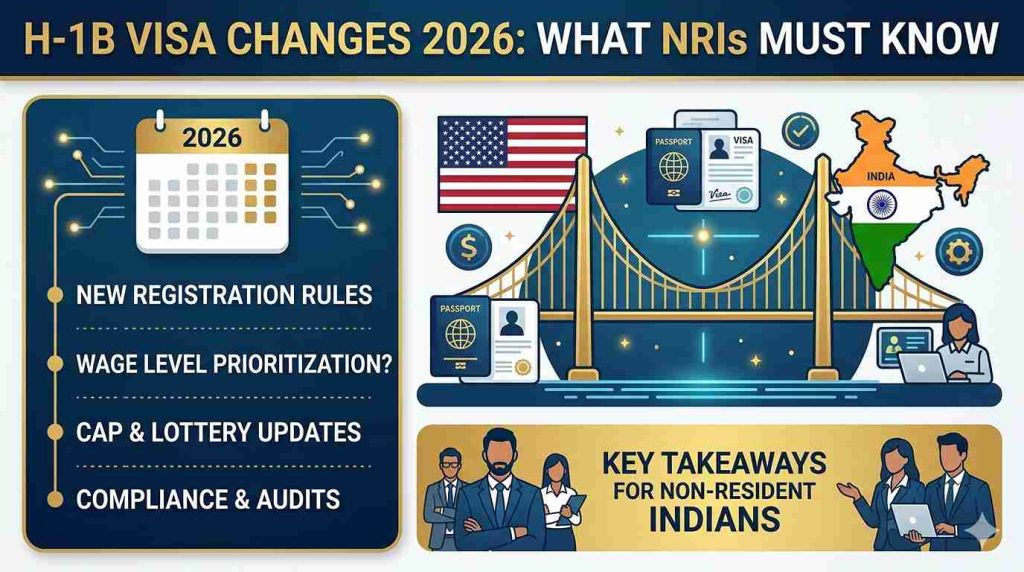


























































































































H-1B Visa Changes 2026: What NRIs Must Know

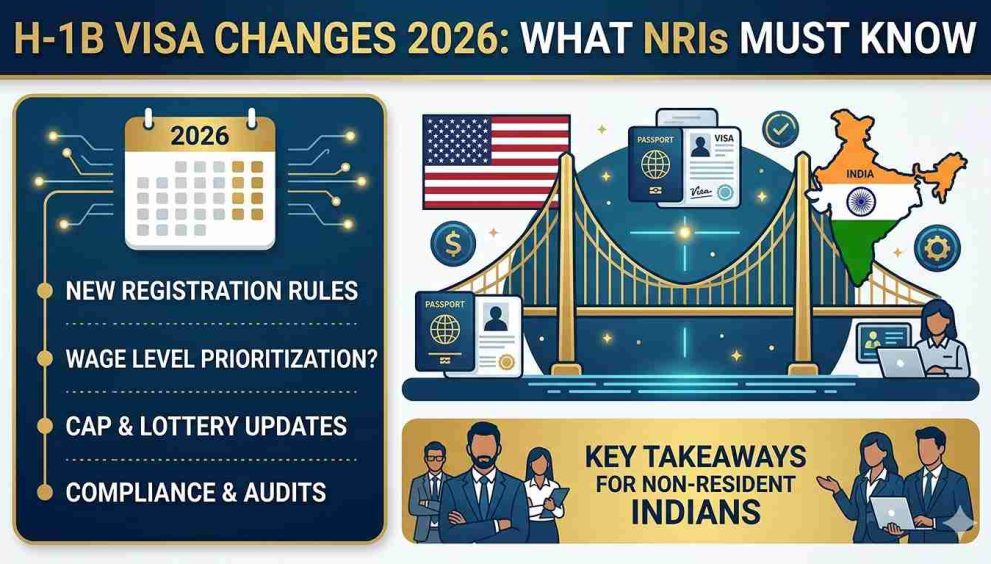
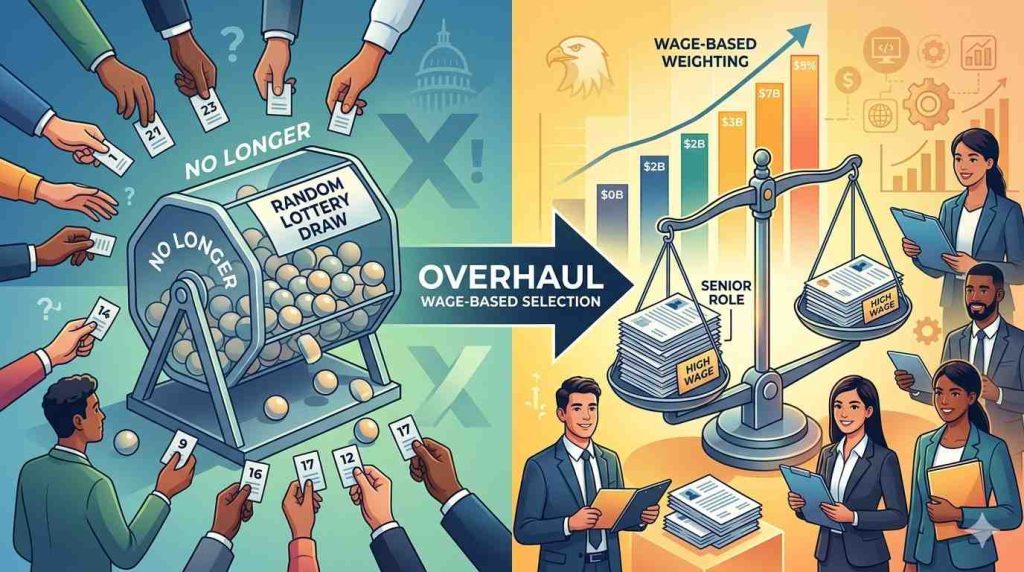
April 1, 2026 marks a significant shift in the H-1B visa process with the mandatory use of the new edition of Form I-129 (dated 02/27/26). USCIS will reject any petitions filed using the older 01/20/25 edition after March 31, 2026. This change aligns with the implementation of the wage-weighted selection process for the FY2027 H-1B cap season, aiming to favor higher-skilled and higher-paid beneficiaries while keeping opportunities open across wage levels.
For Indian NRIs, who form the largest group of H-1B recipients (especially in IT, engineering, and healthcare), these updates require immediate attention to avoid filing rejections, RFEs, or denials.
Understanding the New Form I-129 Requirements
USCIS published the revised Form I-129 on February 27, 2026. The new edition introduces detailed fields in the H-1B and H-1B1 Data Collection Supplement, including:
- Level of education required for the position
- Field(s) of study that qualify candidates
- Years of experience needed
- Special skills or qualifications
- Supervisory responsibilities (number of people supervised and their titles)
- Specific wage level selection (I through IV) for cap-subject petitions
These additions help USCIS verify consistency between the Labor Condition Application (LCA), the H-1B registration, and the actual petition. Inconsistencies may trigger Requests for Evidence (RFEs) or outright denials.
Key Deadline for Indian Applicants
- Petitions postmarked on or before March 31, 2026 → Old form (01/20/25) accepted
- Petitions postmarked on or after April 1, 2026 → Only new form (02/27/26) accepted; old forms rejected
This deadline coincides with the start of FY2027 H-1B cap-subject petition filings (beginning April 1 for selected registrations).
Wage-Weighted Selection Process for FY2027
Effective from the FY2027 registration season, USCIS uses a weighted lottery that assigns higher chances to registrations with higher wage levels and advanced education/experience. This reform, finalized in late 2025 and effective February 27, 2026, aims to prioritize the “best and brightest” while still allowing access at all wage levels.
Impact on Indian professionals:
- Tech workers in high-salary roles (e.g., senior software engineers, data scientists in Hyderabad’s HITEC City or US-based firms) gain an edge.
- Employers must ensure accurate wage reporting during registration and petition stages.
Comparison Table: Old vs New Form I-129 for H-1B
| Aspect | Old Form (01/20/25) | New Form (02/27/26) |
|---|---|---|
| Wage Level Details | Basic | Granular + comparison with registration |
| Education & Experience | General | Specific fields, years, special skills |
| Supervisory Info | Limited | Detailed (number & titles of supervisees) |
| Rejection Risk for Old Form | N/A | Automatic after April 1, 2026 |
Step-by-Step Filing Guide Post-April 1, 2026
- Confirm Registration Selection — Check USCIS account for FY2027 selection notice.
- Prepare New Form I-129 — Download the latest edition from uscis.gov. Fill all supplemental sections carefully.
- Gather Supporting Documents — LCA, employer letter, beneficiary’s qualifications, itinerary, etc.
- File Online or by Mail — Premium Processing (Form I-907) available for faster adjudication.
- Avoid Common Pitfalls — Ensure wage level matches between LCA and petition; double-check education/experience details.
- Monitor Case Status — Use USCIS online account for updates.
Practical Tips for Hyderabad & Indian NRIs
Many Indian IT professionals from Hyderabad (home to major global tech hubs) file H-1B through US employers or Indian companies with US offices. Key advice:
- Start preparations early — Consult immigration attorneys familiar with Indian EB cases.
- Maintain valid H-1B or OPT/STEM status during transition.
- For cap-exempt employers (universities, nonprofits), the new form still applies but with fewer restrictions.
- Track INR-USD exchange rates for filing fees, which have seen increases in recent years.
- Consider AC21 job portability options if already on H-1B and waiting for green card.
FAQs on H-1B Changes April 2026
Q: Will USCIS reject my petition if I use the old Form I-129 after April 1? A: Yes, any petition received on or after April 1, 2026 using the 01/20/25 edition will be rejected without processing.
Q: How does the wage-weighted process affect Indian applicants? A: Higher wage levels and advanced degrees improve selection probability, benefiting experienced professionals in competitive fields like software development and AI.
Q: Can I file extensions or amendments with the new form? A: Yes, the new edition applies to all H-1B petitions, including extensions, amendments, and cap-subject filings.
Q: What if there is a mismatch in wage level? A: It may result in an RFE. Ensure consistency across registration, LCA, and I-129.
Forward Outlook and Expert Advice
The April 2026 changes modernize the H-1B program, making it more merit-based. Indian NRIs, who dominate H-1B approvals, should view this as an opportunity to strengthen petitions with clear documentation of skills and compensation. Combined with the April 2026 Visa Bulletin’s forward movement in EB-2/EB-3, the pathway from H-1B to green card looks slightly brighter for many.
Always verify the latest on official USCIS.gov and consult licensed immigration professionals. Rules can evolve quickly.

