

















































































































CES 2026 Full Event Summary for Indian Readers: A Comprehensive Recap from Opening Keynotes to Closing Awards

CES 2026 Full Event Summary for Indian Readers: A Comprehensive Recap from Opening Keynotes to Closing Awards
(Exclusive for www.bharattone.com – Your Trusted Source for Global Tech in Bharat)
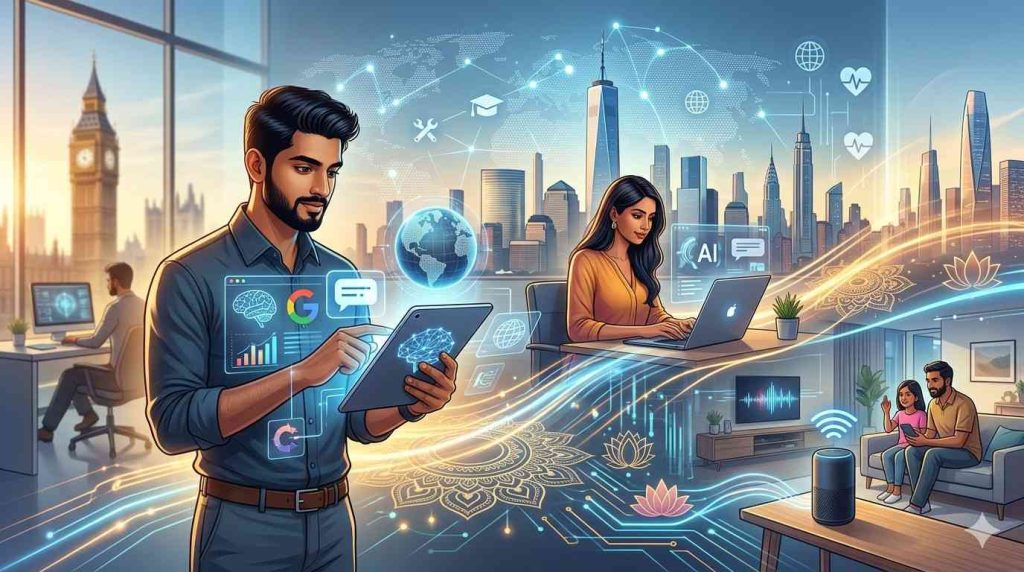
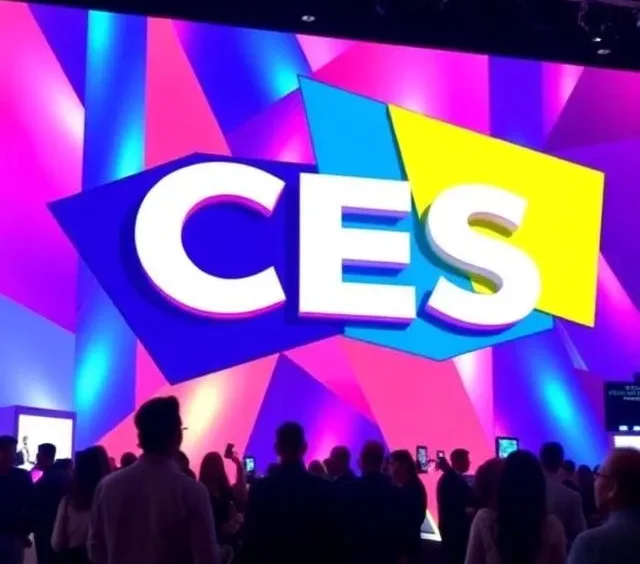
CES 2026, held from January 6-9 in Las Vegas (with media previews starting January 4-5), once again proved why it remains the world’s premier consumer electronics showcase. This year, the event attracted over 4,100 exhibitors from more than 150 countries, drawing massive crowds eager to witness the next wave of consumer technology. The dominant narrative? AI has moved beyond hype into practical, everyday applications—embodied in robotics, smart homes, mobility solutions, and personalized devices. Themes like “Affectionate Intelligence” (LG) and “Innovation in Tune with You” resonated strongly, emphasizing technology that anticipates human needs rather than overwhelming users.
For Indian audiences, CES 2026 holds special significance. India’s tech ecosystem is rapidly gaining global recognition, with startups and companies expanding their footprint. Organizers noted the growing Indian presence, highlighting brands like Ultrahuman (Bengaluru-based wearables innovator), Noise (Gurgaon smartwatch leader), ArvyaX Technologies (Bhopal pseudo-reality firm), and others such as aabo (AI-driven health), Sona Comstar (automotive tech), and Zoondia. CES Vice President John Kelley expressed excitement about this trend, signaling India’s rising role in global innovation. This recap covers the week day-by-day, major announcements, awards, and key takeaways—tailored for desi tech enthusiasts, professionals, and consumers eyeing future imports or inspirations.
Pre-Show & Media Days (January 4-5): Setting the Stage for AI Dominance
CES kicked off early with media events like CES Unveiled and press conferences. The focus was immediately on AI infrastructure and chips, setting expectations for the week.
- Major pre-show buzz included AMD’s preparations for AI-focused processors and NVIDIA’s infrastructure push.
- Early reveals featured Lenovo’s Sphere event with rollable concept laptops, AI wearables, and initial robotics demos.
- Indian brands like Ultrahuman showcased advanced wearables (sleep trackers and health monitors), gaining attention for their global competitiveness.
This period built anticipation for the official keynotes, with AI chips and physical embodiments (robots) as recurring motifs.
Day 1 – January 6 (Official Opening Day): Industrial AI, Keynotes, and Early Robotics
The first full day exploded with high-profile keynotes and show floor openings.
- Siemens Keynote (Morning): CEO Dr. Roland Busch, joined by NVIDIA’s Jensen Huang, unveiled an Industrial AI Operating System and Digital Twin Composer—tools revolutionizing manufacturing, design, and operations. This partnership signals AI’s deep integration into global supply chains, relevant for India’s growing manufacturing sector.
- NVIDIA’s influence continued with announcements on AI infrastructure, including the Vera Rubin superchip platform (5x more powerful than predecessors) and robotics integrations.
- LG’s “World Premiere” emphasized Affectionate Intelligence, debuting the CLOiD home robot for chores like laundry folding, dishwasher loading, and food prep—integrated with ThinQ ecosystem.
- Samsung’s First Look focused on home appliances, including AI-enhanced fridges and laundry combos.
- Robotics buzz: Early humanoid demos from companies like AgiBot and previews of Boston Dynamics’ Atlas.
- Indian highlight: Ultrahuman and Noise drew crowds with AI-powered wearables, positioning Indian innovation alongside global giants.
The day ended with networking events, underscoring CES as a global community hub.
Day 2 – January 7: Robotics Takeover, AI Companions, and Show Floor Explosion
Crowds flooded the halls as the exhibit floors fully activated. Robotics dominated, with thousands of demos.
- Key announcements: Boston Dynamics unveiled the production-ready Atlas humanoid (with Google DeepMind’s Gemini integration) for natural movement and industrial deployment.
- LG’s CLOiD robot shone as a practical home assistant.
- Roborock’s Saros Rover (stair-climbing vacuum with legs) and similar innovations from Dreame and Eufy addressed real-world cleaning challenges.
- AI companions: Lenovo’s Motorola Qira (hybrid on-device/cloud assistant), Razer’s Project Motoko (AI headphones with cameras), and quirky AI pets.
- Laptops & chips: Intel’s Core Ultra Series 3 (Panther Lake), AMD’s Ryzen AI 400 series, and rollable concepts from Lenovo/Asus.
- Mobility: Sony Honda’s Afeela EV updates, including hands-off driving and PS5 integration.
- Smart home: Robot lawnmowers, AI fridges, and immersive entertainment.
- Awards buildup: Judges from CNET Group deliberated finalists.
This day highlighted the shift to “physical AI”—robots that perform tasks in real environments.
Day 3 – January 8: Awards Announcement and Deeper Dives
The pinnacle: Best of CES 2026 Awards by CNET Group (CNET, PCMag, Mashable, ZDNET, Lifehacker, etc.), after hours of debate among 40+ experts.
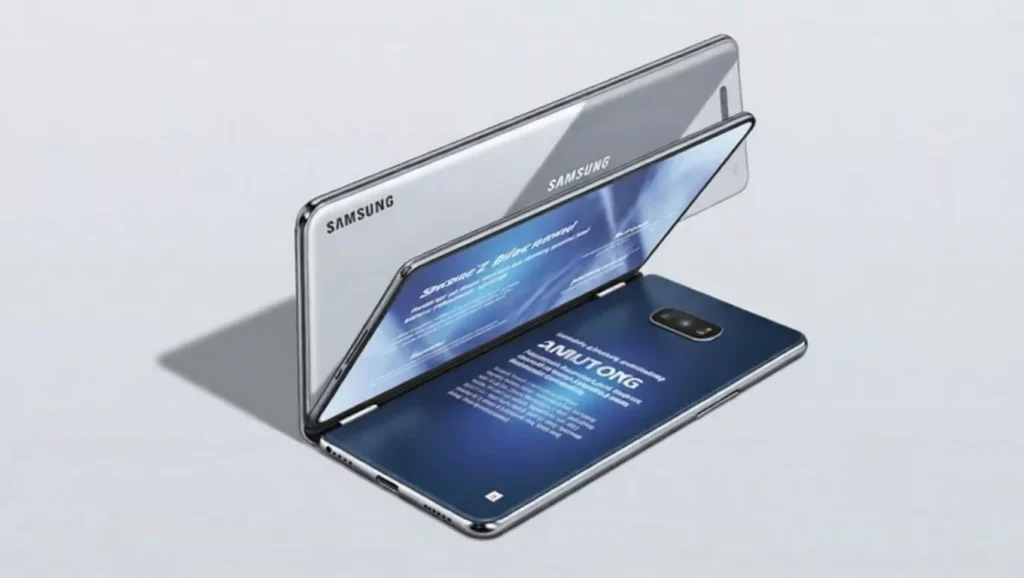
- Best Overall: Samsung Galaxy Z TriFold – a revolutionary trifold phone blending design and utility.
- Best AI: Lenovo Motorola Qira.
- Best Robot: Boston Dynamics Atlas.
- Best TV/Home Theater: Samsung S95H OLED.
- Other notables: Lego Smart Brick (Best Future Tech), Roborock Saros Rover (Best Smart Home), Intel Core Ultra Series 3 (deep computing), Qualcomm Snapdragon X2 Plus.
- Additional categories included Best Wellness Tech, Best Travel Tech, Best Age Tech (Tombot Jennie robotic pet), and more—totaling 22 winners.
Show floor continued with hands-ons: rollable laptops, AI wearables, and EV prototypes.
Day 4 – January 9 (Closing Day): Final Highlights and Reflections
The final day focused on wrap-ups, with lingering demos and announcements.
- More robotics and mobility: Unitree, EngineAI, and SwitchBot’s Onero H1 wheeled butler.
- Smart home expansions: IKEA’s affordable Matter-compatible devices.
- Closing buzz: Emphasis on sustainability, accessibility (e.g., WheelMove electric wheelchair add-on), and longevity tech.
The show floor closed at 6 p.m., marking the end of an intense week.
Key Themes & Personal Takeaways: “Innovation in Tune with You”
CES 2026 shifted AI from screen-based to embodied and helpful. LG’s theme captured it best: technology as an affectionate partner—anticipating needs in homes, vehicles, and daily life. Robotics moved from gimmicks to deployable solutions (e.g., stair-climbing vacuums, factory humanoids). Chips from NVIDIA, AMD, Intel, and Qualcomm enabled efficient on-device AI, reducing cloud dependency.
For Indians, this means accessible innovations: Ultrahuman/Noise wearables could inspire local health tech; AI in manufacturing (Siemens-NVIDIA) aligns with Make in India; EVs like Afeela hint at future mobility. While AI overload existed (some gimmicky), practical wins—better AI PCs, embodied robots, seamless ecosystems—point to a future where tech works for us.
The message is clear: The future is personal, physical, and attuned to human needs. As India’s tech scene grows, CES 2026 inspires the next wave of Bharat-led global innovations. Stay tuned for product rollouts—many will reach Indian markets soon!

