
















































































































































Iran War 2026: Impact on India Economy & Strategy

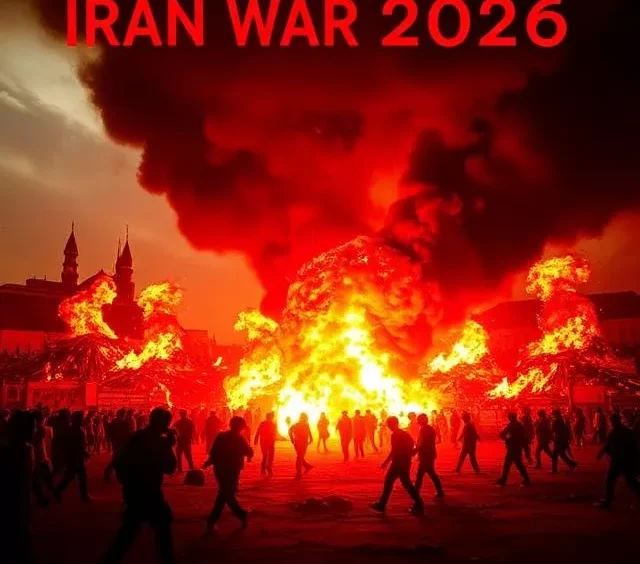
Iran War 2026: Impact on India Economy & Strategy
Introduction: One Month of War and India Feels the Heat
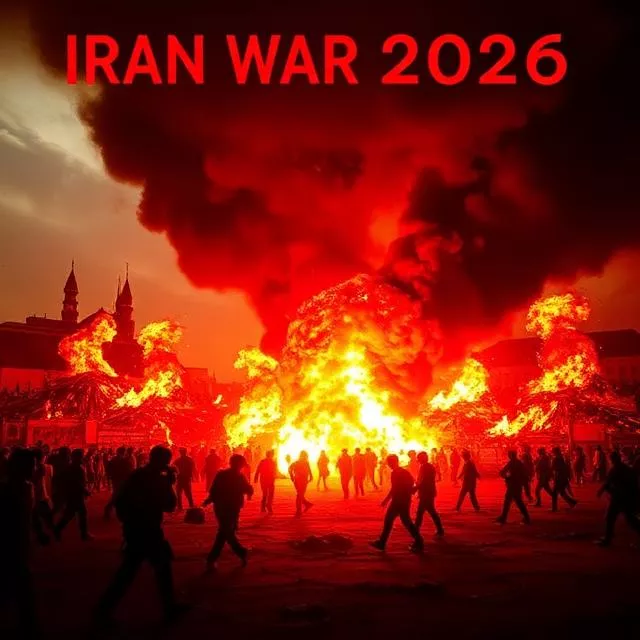
The 2026 Iran War, which erupted , with surprise US-Israel airstrikes on Iranian targets, has entered its second month. What began as targeted strikes has escalated into a full-blown regional conflict, with the Strait of Hormuz effectively closed, global oil prices spiking above $100-120 per barrel at peaks, and supply chains in chaos.
For India, the world’s fifth-largest economy and a major energy importer, the war is not a distant Middle East crisis — it is a direct threat to growth, inflation control, and energy security. The Chief Economic Advisor (CEA) V Anantha Nageswaran has officially flagged “considerable downside risks” to India’s 7.0-7.4% GDP growth forecast for FY 2026-27.
From LPG cylinder queues in Ahmedabad to rupee hitting a record low of ₹94.78 per dollar, the Iran War impact on India is already visible in daily life. This detailed analysis breaks down every major impact with latest data as of March 31, 2026.
Background: What Triggered the 2026 Iran War?
2026, the United States and Israel launched Operation Epic Fury (and related strikes), targeting Iranian missile facilities, nuclear sites, and leadership. Supreme Leader Ali Khamenei and several top officials were reportedly eliminated in the initial strikes.
Iran retaliated by:
- Closing the Strait of Hormuz (through which 20-30% of global oil and LNG passes)
- Attacking tankers and regional targets
- Launching missiles at Israel and US assets
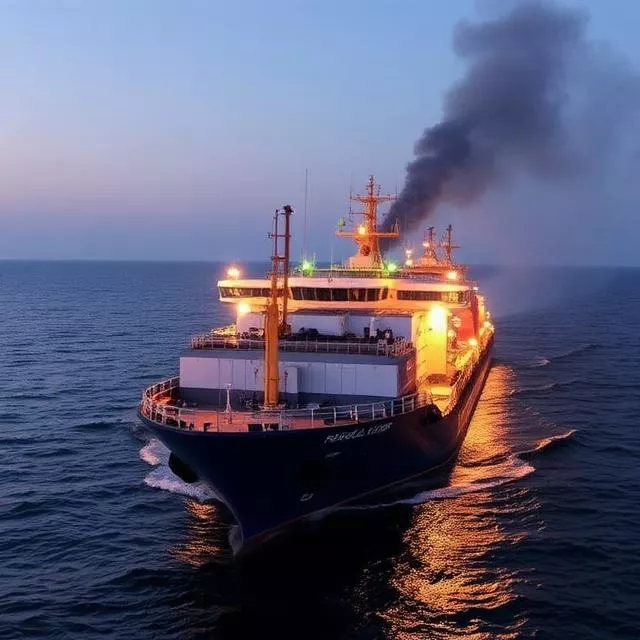
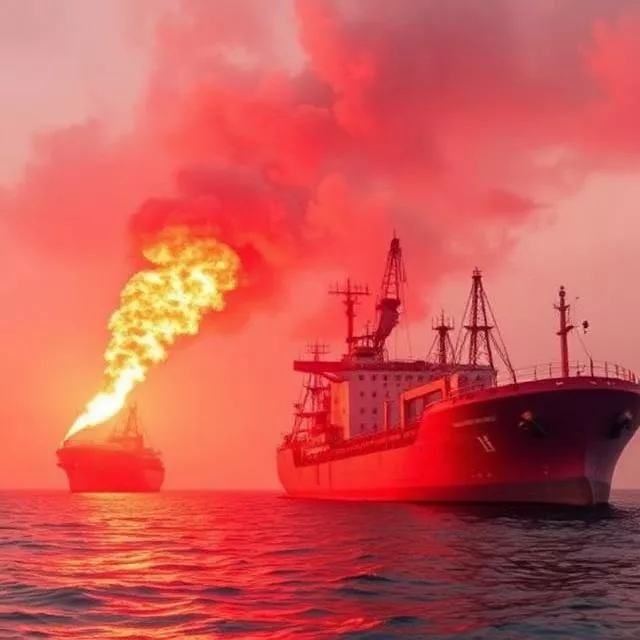
One month later, the conflict continues with ongoing airstrikes, tanker attacks (including a recent Kuwaiti oil tanker hit near Dubai), and no immediate ceasefire in sight.
India’s Official Stand: Neutrality. However, New Delhi has condemned Iranian attacks on Arab states and Gulf shipping while maintaining silence on certain US-Israel actions — a diplomatic tightrope walk.
Major Impacts of Iran War on India
1. Energy Crisis & Oil Shock: The Biggest Hit
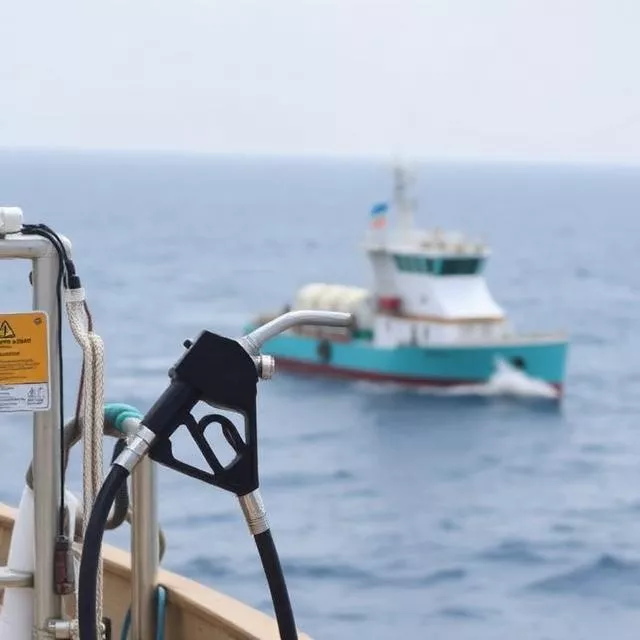
India imports 85% of its crude oil, with nearly 60% sourced from the Gulf region passing through the Strait of Hormuz.
- Oil Prices: Brent crude surged to over $110-120 per barrel initially; currently hovering around $80-100+ with high volatility.
- LPG & Gas Shortage: Severe crisis in domestic LPG supply. GAIL and IOC have restricted industrial gas supplies. Households, hotels, and restaurants face long queues for cooking gas cylinders.
- Fertilizer Production Hit: Drop in Qatar LNG has forced shutdowns/cuts at three major urea plants, threatening the rabi season and food security.
- Higher Import Bill: Every $10 rise in oil prices adds billions to India’s import bill and widens the Current Account Deficit (CAD).
CEA Warning: Supply disruptions in oil, gas, and fertilisers will significantly affect growth, inflation, and fiscal balance.
2. Inflation, Rupee, and Fiscal Pressure
- Rupee Depreciation: Hit record low of ₹94.7875/USD due to higher oil import costs and FII outflows.
- Inflation Spike: Food inflation rising; overall retail inflation edging up. Full pass-through of oil prices yet to hit.
- Fiscal Deficit Risk: Government may need extra ₹30,000-50,000 crore in fuel subsidies. Already budgeted ₹2 trillion for LPG and fertiliser subsidies could balloon.
- Stock Market: Sensex and Nifty have fallen for multiple consecutive weeks.
3. Remittances Under Threat: $50 Billion at Stake
India has 9.1 million citizens working in GCC countries (UAE, Saudi Arabia, Qatar, etc.). They send home over $50 billion annually — one of the largest remittance inflows.
- War-related uncertainty, job losses in Gulf construction/energy sectors, and possible evacuation risks could slash this lifeline.
- States like Kerala, Andhra Pradesh, Telangana, and Uttar Pradesh will feel the maximum pain.
4. Supply Chain & Trade Disruptions
- Higher freight and insurance costs due to rerouting around the Strait of Hormuz.
- Export delays to Gulf nations (a major market for Indian goods).
- Manufacturing slowdowns in sectors dependent on gas and imported raw materials.
- Aviation Impact: Indian airlines have already cut over 2,500 flights in summer schedule due to higher fuel costs and airspace issues.
5. Agriculture and Food Security Risks
Fertiliser shortage → higher input costs for farmers → potential rise in food prices and impact on India’s rice exports (India accounts for ~25% of global rice exports).
6. Geopolitical & Strategic Implications for Bharat
- Diplomatic Setback: Pakistan emerging as a key back-channel mediator between Iran and the US — a blow to India’s “Vishwaguru” image.
- Chabahar Port: India’s strategic investment in Iran’s Chabahar Port (gateway to Central Asia and INSTC) faces uncertainty.
- Indian Ocean Security: Sinking of Iranian ship IRIS Dena (returning from Indian naval exercise) near Sri Lanka raised questions about India’s role as net security provider.
- Strategic Shift? Analysts note India tilting towards stronger US-Israel alignment while maintaining energy and diaspora interests in the Gulf.
Government of India’s Response So Far
- Monitoring through high-level meetings.
- Tapping into strategic petroleum reserves.
- Exploring alternative oil suppliers (Russia, US, Saudi Arabia).
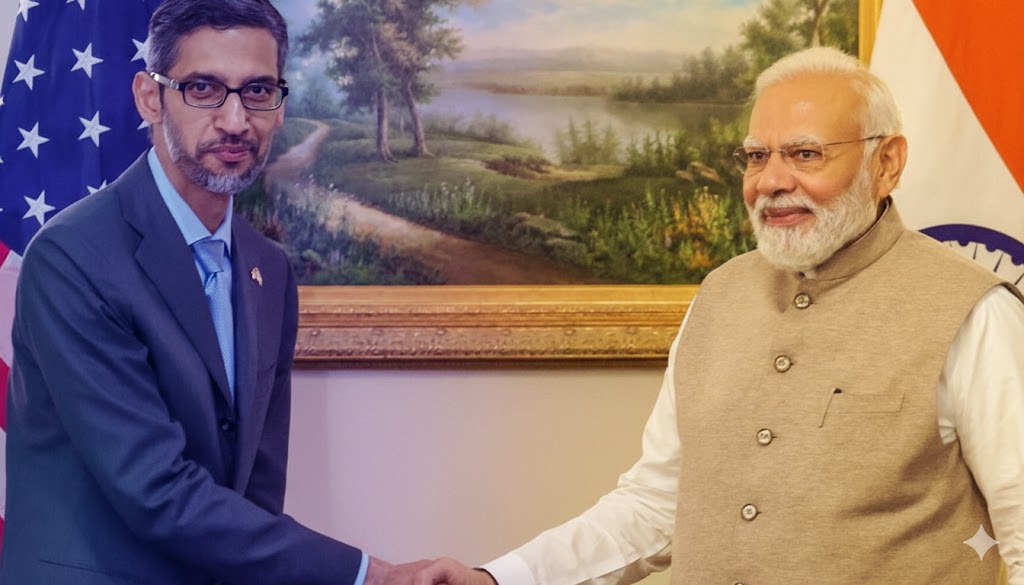
- Diplomatic engagement: PM Modi’s calls with UAE, Saudi, and other leaders.
- Focus on “Team India” approach to protect diaspora and economic interests.
- Push for domestic reforms to boost competitiveness and reduce import dependence.
Long-Term Outlook: How Bad Can It Get?
- Short War Scenario (ceasefire soon): Limited damage; oil prices may cool by Q2 FY27.
- Prolonged Conflict: Goldman Sachs and other agencies have already cut India’s growth forecasts (some as low as 5.9%). Inflation could cross RBI’s comfort zone. CAD widening to 1.5-2% of GDP possible.
Positive Angle for Bharat: This crisis accelerates the push for:
- Energy diversification (renewables, nuclear, domestic exploration)
- Atmanirbhar Bharat in fertilisers and critical minerals
- Stronger QUAD and Indo-Pacific focus
Conclusion: Turning Crisis into Opportunity for Viksit Bharat
The Iran War 2026 is a stark reminder that global events thousands of miles away can directly affect the price of your LPG cylinder, the value of the rupee in your pocket, and jobs of millions of Indians abroad.
While challenges are real, India’s robust forex reserves, strong domestic demand, and reform momentum provide resilience. The coming weeks will be critical. As the government has said — we must use this as a catalyst to strengthen economic preparedness and energy security.
Bharat remains watchful, prepared, and focused on long-term self-reliance.
FAQs: Iran War Impact on India 2026
Q1. Will petrol and diesel prices increase in India due to Iran War? Yes, oil marketing companies are under pressure. Government may absorb some burden through subsidies, but partial pass-through is expected.
Q2. How will the war affect common Indians? Higher fuel, cooking gas, and food prices; possible job impact for Gulf NRIs; slower economic growth affecting employment.
Q3. Is India’s growth target safe? CEA has warned of “considerable downside risks.” Official 7-7.4% target for FY27 now under cloud.
Q4. Should Indians in Gulf countries return? No immediate panic. Government is monitoring and has evacuation plans ready if situation worsens.
Q5. Which Indian states are most affected? Kerala, Telangana, Andhra, Gujarat, Maharashtra (remittances & industry), and northern states (fertiliser & LPG dependence).
Sources: Ministry of Finance Monthly Economic Review, CEA statements, Reuters, Bloomberg, The Hindu, Economic Times, and official government releases.
Share this analysis with fellow Indians. Stay informed. Bharat First!
For more exclusive India-centric analysis, follow www.bharattone.com and subscribe for daily updates.