






















































































































































2026 Iran War Latest Updates: How the Conflict Affects India – Detailed Analysis for Indian Readers

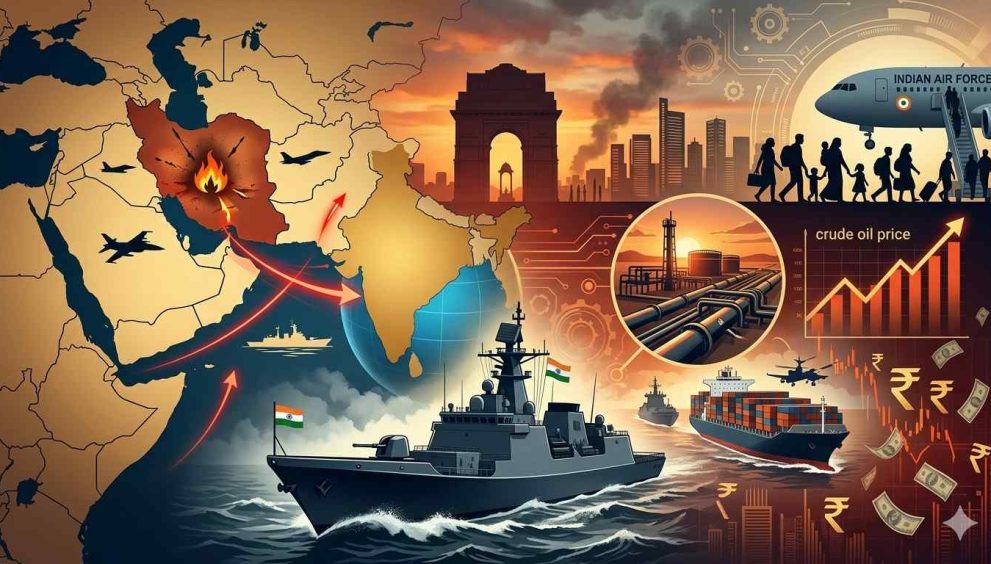
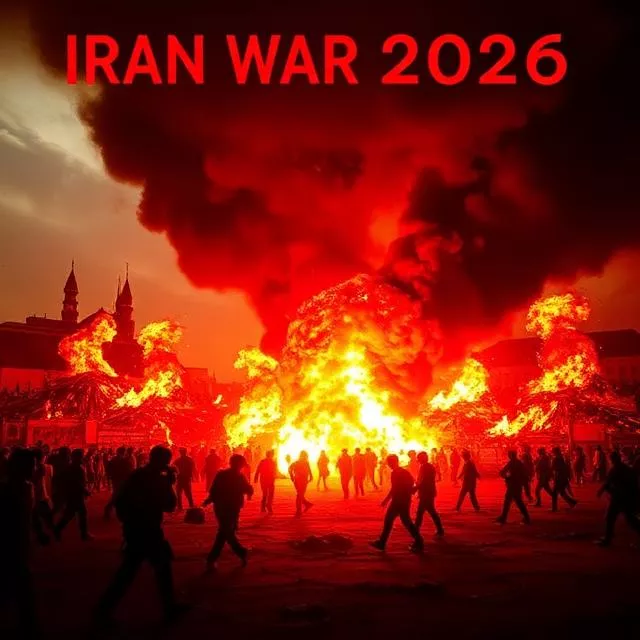
The US-Israel military operation against Iran, which began on February 28, 2026, with nearly 900 strikes in the first 12 hours, has now entered its sixth week. The conflict has escalated with Iran shooting down a US F-15E Strike Eagle fighter jet over its territory. One American crew member has been rescued, while search-and-rescue operations continue for the second airman. President Donald Trump has stated that US strategic objectives are nearing completion but has warned of intensified strikes on Iranian infrastructure, including bridges, power plants, and energy sites, if the Strait of Hormuz remains restricted.
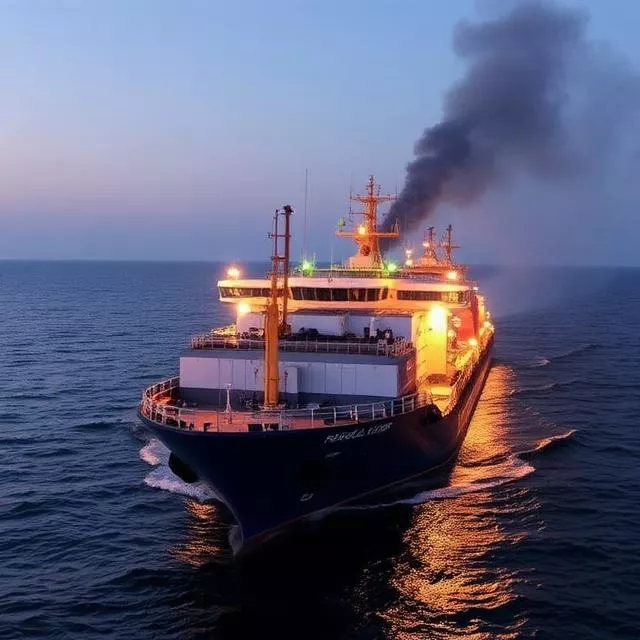
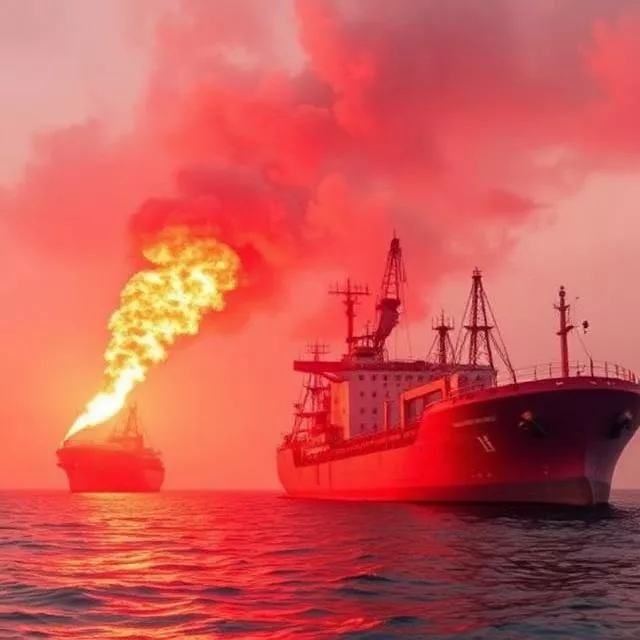
Iran has responded with missile and drone attacks across the Middle East, targeting facilities in Israel and Gulf countries. Strikes have damaged sites in the UAE, Bahrain, and Kuwait, including a refinery fire and a desalination plant. The closure or severe restriction of the Strait of Hormuz — through which about 20% of the world’s oil and a significant portion of LNG passes — has triggered a global energy crisis, with Brent crude prices surging above $100–$109 per barrel.
For India, this is not a distant conflict. India imports around 85–90% of its crude oil needs, with nearly half of these shipments traditionally transiting the Strait of Hormuz. Millions of Indian NRIs live and work in the Gulf region, sending home over $50 billion in remittances annually. The war is already pushing up fuel prices, threatening inflation control, and creating uncertainty for Indian businesses and expatriates.
Latest Military and Diplomatic Developments (April 3–4, 2026)
- US Aircraft Loss: Iran downed a US F-15E fighter jet. US officials confirmed one crew member rescued; a search continues for the second. This marks a significant escalation and the first confirmed US manned aircraft loss in the conflict.
- Iranian Counterattacks: Iran launched missiles toward Israel, causing damage in several areas. It also struck US-linked facilities in the Gulf, leading to fires and disruptions. Kuwait reported a refinery blaze, while Gulf states intercepted incoming threats.
- Infrastructure Strikes: US-Israeli forces hit key Iranian sites, including a major bridge near Tehran (Bileghan Bridge linking Tehran and Karaj) and pharmaceutical/medical facilities. Iran has condemned these as attacks on civilian infrastructure.
- Trump’s Position: The US President has emphasized that America “hasn’t even started destroying what’s left in Iran” and insists the Strait of Hormuz must be fully reopened for any ceasefire. Iran has rejected claims of seeking a ceasefire and is using the strait as leverage.
- International Efforts: Over 40 countries have discussed a coalition to secure the strait. The UN Security Council has taken up the issue, but progress is slow due to opposition from Russia and China. Bahrain postponed a related vote.
Iran reports over 2,000 killed and more than 26,500 wounded from coalition strikes, with widespread civilian displacement and damage to homes, schools, and hospitals.
Direct Impact on India’s Economy and Energy Security
India is highly vulnerable because of its heavy dependence on imported energy. Roughly 40–50% of India’s crude oil, a large share of LNG, and over 70% of LPG shipments pass through or are affected by the Strait of Hormuz route.
- Rising Oil and Fuel Prices: Brent crude has risen sharply since the conflict began. Every $10 increase per barrel can add $12–15 billion to India’s annual oil import bill. Domestic petrol and diesel prices are under pressure despite government excise duty cuts. Households are already seeing higher costs for cooking gas (LPG) and transportation.
- Inflation and Growth Risks: Higher energy costs feed into broader inflation, affecting food prices (via higher fertilizer and transport costs), manufacturing, and services. Analysts warn that sustained high oil prices could slow GDP growth by 0.5–1% and widen the current account deficit. The rupee has faced depreciation pressure amid capital outflows and import costs.
- Stock Market Volatility: Indian equity markets have shown weakness, with sectors like aviation, logistics, and auto facing higher input costs.
- Supply Chain Disruptions: Shipping insurance premiums have spiked, leading to rerouting of vessels and delays. Some flights to the Middle East have been affected or rerouted, increasing airfares.
The government is drawing from strategic petroleum reserves, diversifying imports (increasing purchases from Russia and other suppliers), and monitoring the situation closely. However, prolonged disruption could force tougher choices on subsidies or fuel rationing.
Concerns for Indian NRIs in the Gulf
India has approximately 9 million expatriates in the Gulf countries (UAE, Saudi Arabia, Qatar, Kuwait, Bahrain, etc.). Many work in construction, oil & gas, services, and healthcare.
- Safety and Travel Advisories: The Ministry of External Affairs (MEA) has issued advisories urging Indian nationals to exercise caution, avoid non-essential travel, and follow local security guidelines. Airspace restrictions and potential escalation pose risks to flights and movement.
- Remittances at Risk: Remittances from the Gulf form a critical part of India’s foreign exchange earnings. Job losses, salary delays, or evacuation scenarios could reduce inflows, affecting millions of families back home.
- Human Impact: Some reports mention incidents involving foreign workers in the region due to strikes or heightened tensions. Indian embassies are coordinating with host governments for support.
Indian citizens in the Gulf are advised to register with the MEA’s MADAD portal and stay in touch with Indian missions.
Strategic Implications: Chabahar Port and India’s Regional Interests
India has invested significantly in Iran’s Chabahar Port as a gateway to Afghanistan and Central Asia, bypassing Pakistan. The project supports the International North-South Transport Corridor (INSTC) and enhances connectivity.
- The US sanctions waiver for India’s operations at Chabahar is set to expire on April 26, 2026. The ongoing war and US pressure complicate the future of this strategic asset.
- Bilateral trade with Iran (including basmati rice, tea, pharmaceuticals, and engineering goods) is under strain. Some shipments are stuck, and prices for certain Indian exports like basmati have fluctuated.
- India is balancing its strong ties with the US and Israel (defense and technology cooperation) with its traditional relations with Iran and energy needs. New Delhi has called for de-escalation, respect for civilian safety, and diplomatic resolution.
What Lies Ahead for India?
Analysts suggest the conflict could continue through April or longer unless the Strait of Hormuz is reopened. Key scenarios:
- Short-term resolution: Oil prices may ease, limiting damage to India’s economy.
- Prolonged crisis: Higher inflation, slower growth, pressure on the fiscal deficit, and challenges for export-oriented sectors.
The Indian government is focusing on energy diversification, diplomatic engagement with all parties, and support for its diaspora. Reserve Bank of India and finance ministry officials are monitoring macroeconomic indicators closely.
Advice for Indian Citizens and Businesses
- Monitor official MEA and PIB updates for travel and safety information.
- NRIs: Stay connected with family, register with embassies, and prepare contingency plans.
- Businesses: Hedge against fuel and shipping cost volatility; explore alternative supply routes.
- Consumers: Practice energy conservation and avoid panic buying.
This situation remains fluid. India’s response emphasizes strategic autonomy — protecting energy security, safeguarding its people abroad, and promoting peace in the region while advancing national interests.
Bharattone.com will continue to provide timely, India-centric updates on the 2026 Iran War. Share your thoughts in the comments — how is the rising fuel cost affecting your household or business? For NRI readers, feel free to share ground-level experiences from the Gulf.