












































































































































Trump Warns Iran of ‘Power Plant Day’ and Total Infrastructure Destruction as Tuesday Deadline Looms in 2026 Iran War

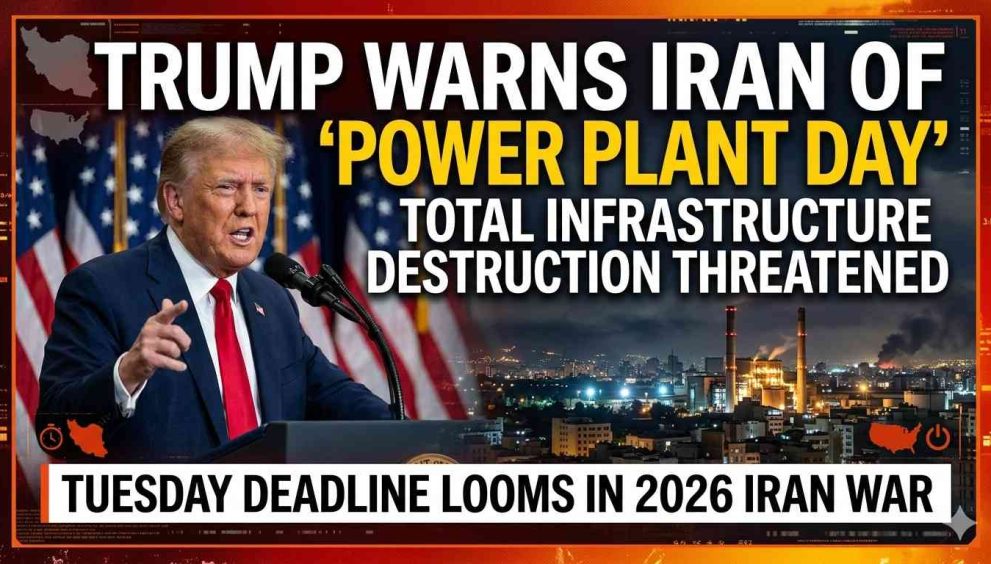
Washington/Tehran, April 7, 2026 — President Donald Trump has issued a stark ultimatum to Iran, threatening devastating strikes on the country’s power plants, bridges, and other critical infrastructure if Tehran fails to fully reopen the Strait of Hormuz by 8 p.m. ET on Tuesday.
In an expletive-laden Truth Social post on Easter Sunday and repeated statements during a White House press conference on Monday, Trump declared: “Tuesday will be Power Plant Day, and Bridge Day, all wrapped up in one, in Iran. There will be nothing like it!!! Open the F****** Strait, you crazy b*******, or you’ll be living in Hell – JUST WATCH!”
He further warned that the “entire country can be taken out in one night,” adding that every bridge in Iran would be “decimated” and every power plant left “burning, exploding and never to be used again” if the deadline passes without compliance. Trump stated he is “not at all” concerned about potential war crimes accusations related to targeting civilian infrastructure.Aljazeera
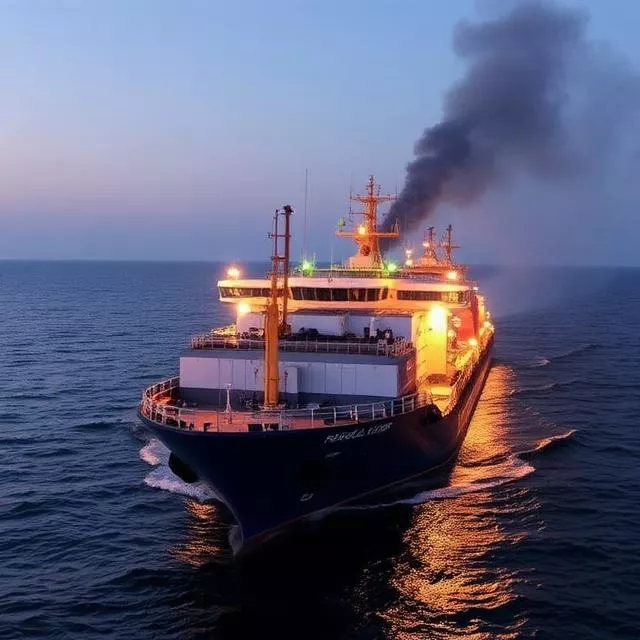
The deadline centers on the Strait of Hormuz, a vital chokepoint through which approximately one-fifth of the world’s oil and gas passes. Traffic has been severely disrupted since the start of the US-Israel military campaign against Iran on February 28, 2026 — dubbed Operation Epic Fury — causing sharp rises in global oil prices and raising fears of broader economic fallout.
Escalating Military Campaign
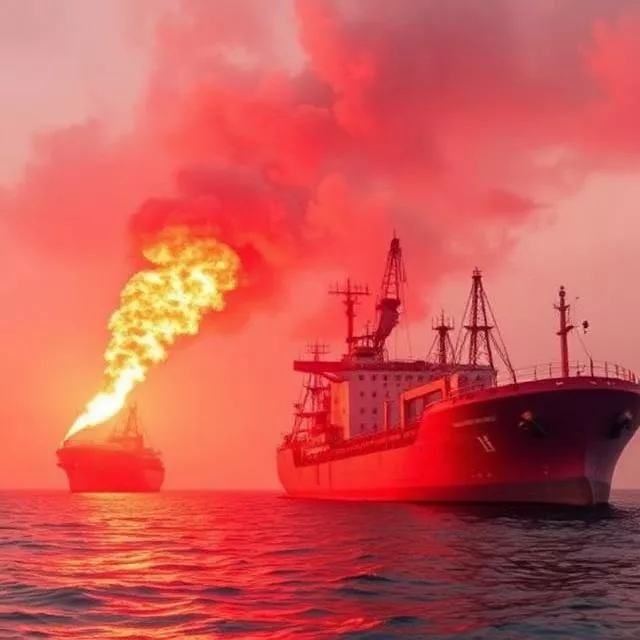
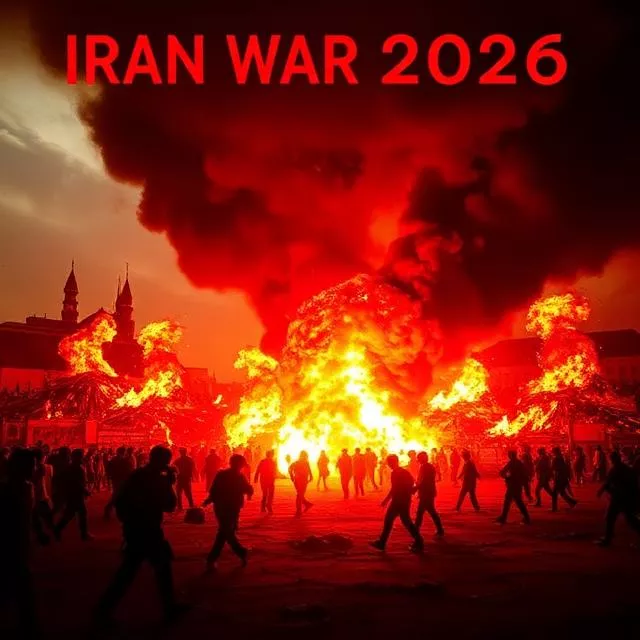
Defense Secretary Pete Hegseth announced that US forces conducted the largest volume of strikes on Iran on Monday since the war began, with even more intense operations planned for Tuesday if needed. Israeli forces simultaneously carried out fresh airstrikes, targeting key sites including a major petrochemical complex in the South Pars gas field (the world’s largest), facilities in Asaluyeh, and other economic infrastructure.
Recent strikes have hit:
- Sharif University of Technology in Tehran (Iran’s premier engineering school), damaging campus buildings and causing power outages in surrounding areas.
- Petrochemical plants in the Mahshahr Special Economic Zone (Khuzestan province), where at least five people were killed and 170 injured, with reports of chemical pollution affecting local residents’ breathing.
- Additional energy and government targets across Tehran province and other regions, contributing to dozens of civilian deaths in the latest wave alone.
Iranian state media and human rights monitors report at least 25–49 people killed in Monday’s strikes, with the overall death toll in Iran since late February exceeding 1,900 according to some estimates (though official figures remain unupdated for days). At least 30 universities have been impacted by strikes throughout the conflict.Pbs
Iran has responded with missile and drone attacks on Israel (including a strike on Haifa that killed at least four) and on Gulf states, while the Islamic Revolutionary Guard Corps (IRGC) claimed responsibility for targeting petrochemical facilities in Kuwait, Bahrain, and the UAE. On Monday, the IRGC announced the killing of its intelligence chief, Maj. Gen. Seyed Majid Khademi, in an Israeli strike.
Diplomatic Deadlock
Iran has firmly rejected a proposed 45-day ceasefire and demands to reopen the strait, insisting instead on a permanent end to the war, lifting of sanctions, reconstruction support, and a broader regional ceasefire (including Lebanon). Tehran described the US proposal — conveyed through mediators — as “maximalist” and unacceptable, with state media stating the strait “will never return to its former state” for the US and Israel.
Trump described Iran’s counterproposal as “significant” but “not good enough,” while US officials called Iran’s demands unrealistic. Mediators, including Pakistan, continue efforts, but prospects for a breakthrough before the Tuesday deadline appear dim.
Humanitarian and Strategic Concerns
Experts in military law have raised alarms that systematic targeting of power plants and bridges could constitute war crimes due to the severe impact on civilian populations, including loss of electricity, water, and medical services. Humanitarian groups report widespread displacement, pollution from damaged industrial sites, and strain on hospitals.
The conflict, which began with initial US-Israeli strikes that reportedly killed Supreme Leader Ali Khamenei (though Iranian leadership continuity remains contested in reports), has already caused significant regional ripple effects, including attacks on Gulf energy sites and displacement in Lebanon.
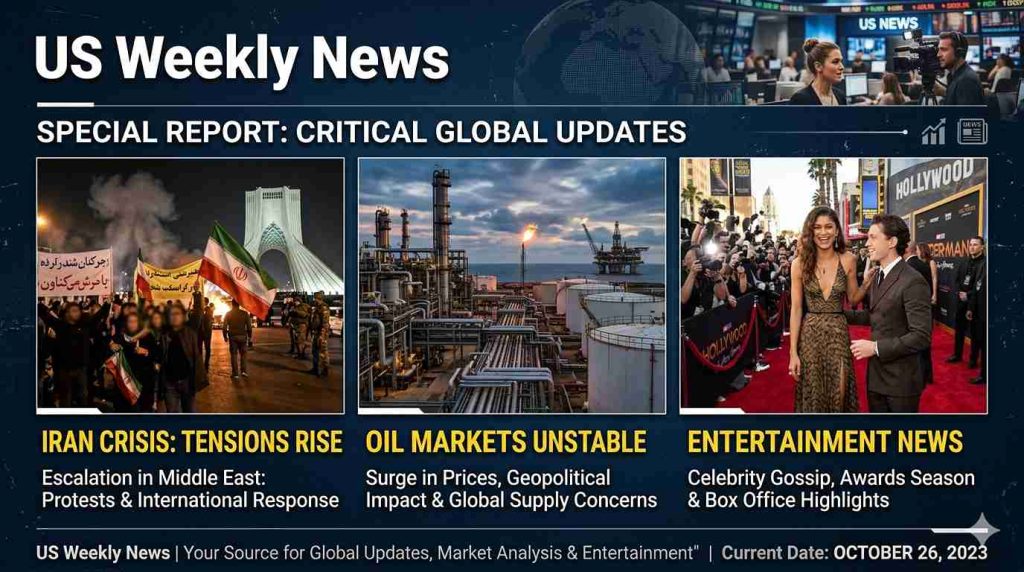
Global oil markets reacted with volatility to the latest threats, while the UN Security Council is expected to address the crisis in a vote on Tuesday.
As the Tuesday 8 p.m. ET deadline approaches, the world watches whether diplomacy can avert what Trump has described as potentially “one night” of overwhelming force against Iran’s infrastructure — or if the 2026 Iran War will escalate into an even more destructive phase.
This article is based on reports from Al Jazeera, PBS, Reuters, AP, and other major outlets as of April 7, 2026. The situation remains fluid, with rapid developments possible in the coming hours.