





































































































































US Blockade Threatens India’s Energy Security

By Bharat Tone Desk | April 13, 2026
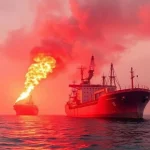
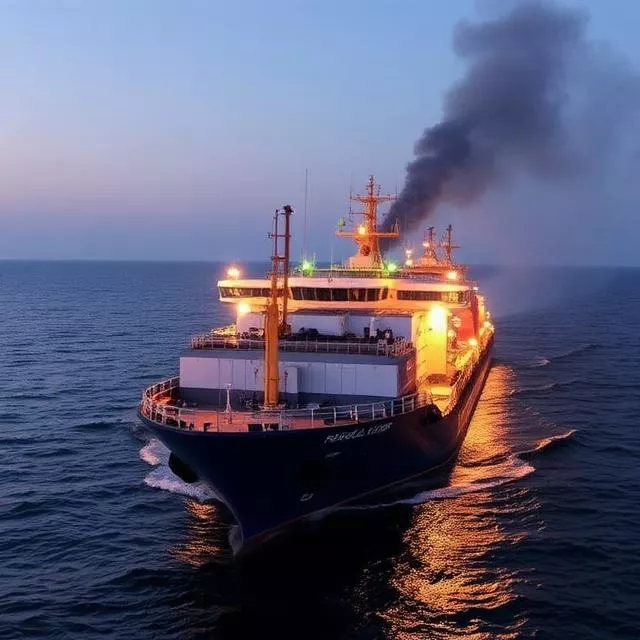
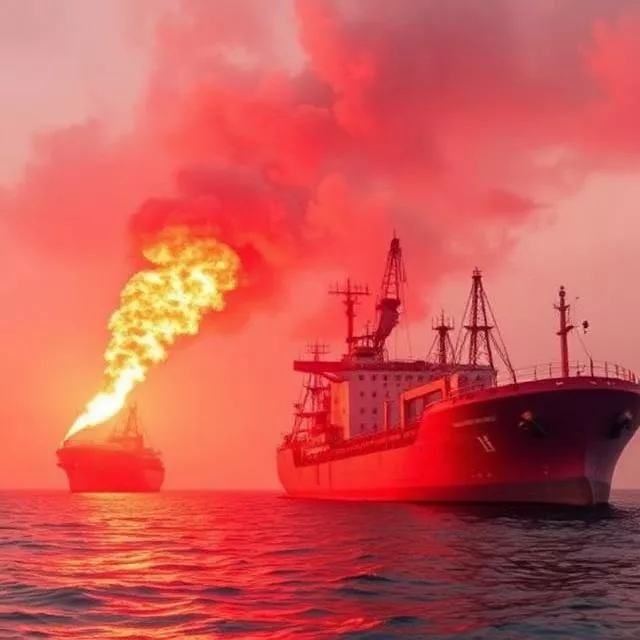
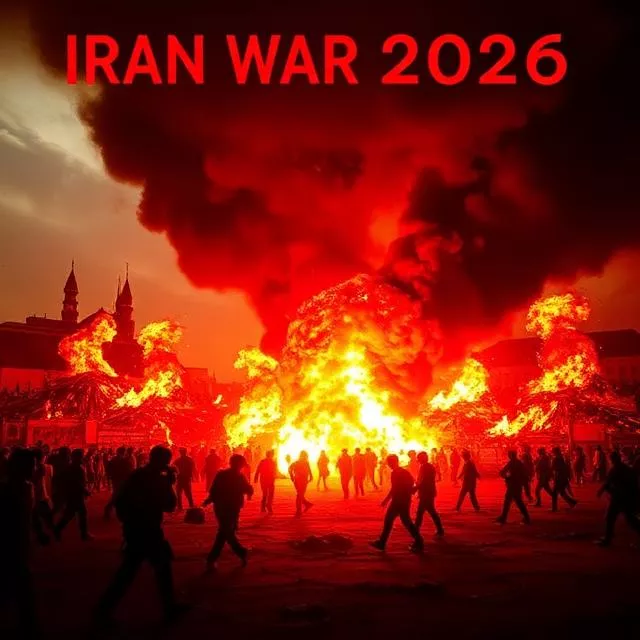
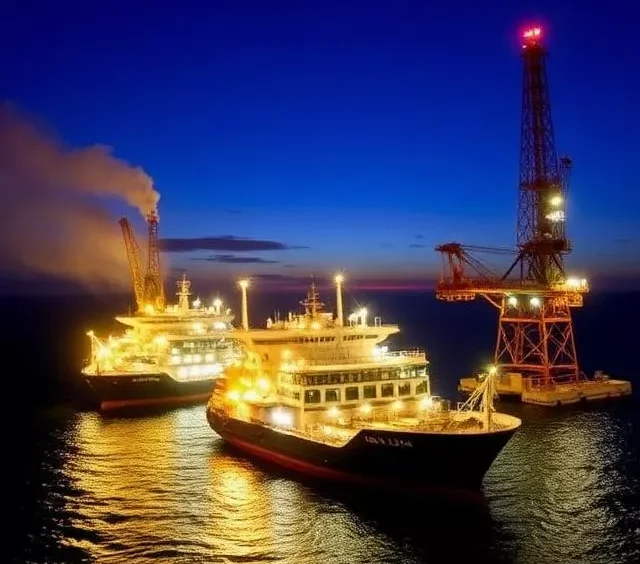
In a bold escalation following the collapse of U.S.-Iran peace talks in Islamabad, President Donald Trump has ordered the U.S. Navy to impose an immediate naval blockade on the Strait of Hormuz. This critical 21-mile-wide chokepoint, through which nearly 20% of the world’s oil and a substantial share of global LNG flows, is now under heightened tension.
For Bharat, the world’s third-largest oil consumer and importer, this development carries serious implications for energy security, household budgets, inflation, and overall economic stability. While India has made significant progress in diversifying its oil sources under the leadership of Prime Minister Narendra Modi, the Strait of Hormuz remains a strategic vulnerability that cannot be ignored.
What Is the Strait of Hormuz Blockade?
After a marathon 21-hour negotiation session between U.S. and Iranian delegations in Pakistan ended without agreement, President Trump announced:
“Effective immediately, the United States Navy — the Finest in the World — will begin the process of BLOCKADING any and all Ships trying to enter, or leave, the Strait of Hormuz.”
U.S. Central Command (CENTCOM) confirmed the blockade, targeting vessels linked to Iranian ports, will begin at 10:00 a.m. Eastern Time on Monday, April 13, 2026. The fragile two-week ceasefire, brokered with Pakistani mediation, now hangs in the balance as its April 22 expiry date approaches.
Implications for Bharat: Energy Security Under Test
India imports approximately 85% of its crude oil requirements, consuming around 5.5 million barrels per day. Although the government has successfully reduced dependence on the Strait of Hormuz — with nearly 70% of crude imports now routed through alternative paths (up from 55% last year) — roughly 40% of India’s crude oil still transits or is linked to this vital waterway.
Key concerns for Bharat include:
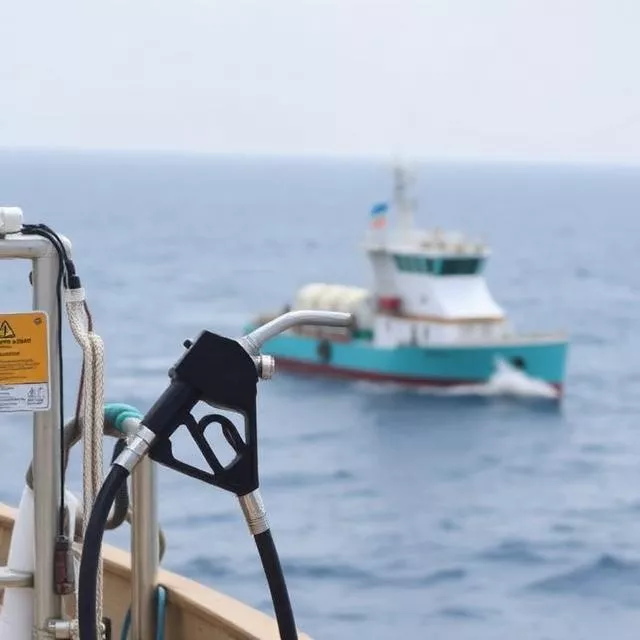
- Rising Fuel Prices: Oil prices have already crossed $100 per barrel. A prolonged blockade could push petrol and diesel prices higher at Indian pumps, increasing transportation costs for commuters, farmers, and the logistics sector.
- LPG and Cooking Gas Pressure: India imports about 60% of its LPG consumption, with nearly 90% of these imports historically passing through the Strait of Hormuz. Any disruption could lead to higher cylinder prices, directly affecting middle-class and lower-income households.
- Inflation and Economy: Every $10 rise in global oil prices adds roughly $15–20 billion to India’s annual import bill. This could widen the current account deficit, put pressure on the Rupee, and fuel broader inflation — impacting everything from groceries to manufacturing costs.
- Farmers and Rural Economy: Higher diesel and fertilizer prices (linked to energy costs) may raise input expenses for agriculture, affecting crop production and rural incomes.
Despite these challenges, Bharat is better prepared than before. Thanks to proactive diversification:
- Crude oil is now sourced from over 40 countries.
- Russian oil imports have surged significantly, potentially reaching 40% of total imports in recent months.
- Strategic petroleum reserves and commercial stocks provide a buffer of around 50–60 days for crude and refined products.
Union Petroleum Minister Hardeep Singh Puri has reassured the nation that India is receiving more oil through diversified routes than previously via the Strait alone.
Strategic Opportunities and Challenges for Bharat
This crisis underscores the importance of Atmanirbhar Bharat in energy. It accelerates the need for:
- Faster expansion of domestic oil and gas production.
- Greater investment in renewables, nuclear energy, and green hydrogen.
- Stronger diplomatic engagement to safeguard freedom of navigation in international waters.
The Indian government is closely monitoring the situation through the Ministries of Petroleum, External Affairs, and Defence. Contingency plans, including increased imports from friendly nations like the U.S., Russia, and others, are already in motion.
For millions of Indian families dependent on NRI remittances from the Gulf, any slowdown in GCC economies due to the blockade could also indirectly affect money flows back home.
Bharat’s Balanced Approach
India has always advocated for peaceful resolution of conflicts and respect for international maritime laws. As a responsible global power with deep stakes in West Asian stability, Bharat continues to engage diplomatically while prioritizing the interests of its 1.4 billion citizens.
Bharat Tone stands with the spirit of a self-reliant and secure India. We will continue to bring you honest, timely updates on oil prices, government measures, and how this unfolding situation affects the common Indian — from the petrol pump to the kitchen.